Pashinyan’s calls for end to ‘mirrored’ genocide accusations appear to go unheard in Azerbaijan

Azerbaijan has repeated calls for global recognition of the 1918 massacres of Azerbaijanis by Armenians as genocide, despite efforts by Armenia’s leadership to stop mutual recriminations about history amidst peace efforts.
Former Azerbaijani President Heydar Aliyev, the father of President Ilham Aliyev, issued a decree in 1998 declaring 31 March ‘the Day of Genocide of Azerbaijanis’, accusing Armenians of killing ‘tens of thousands of Azerbaijanis’.
‘Although the systematic killing of the civilian population during the March–April 1918 incidents was committed on the basis of their ethnic origin and religion, these crimes of genocide have unfortunately not yet been recognised at the international level’, Azerbaijani Human Rights Defender Sabina Aliyeva’s statement read.
During the period, several overlapping wars were ongoing, including WWI, the Russian Civil War, the Turkish–Armenian War, and local conflicts between Armenians and Azerbaijanis. Thousands were killed in the mass violence, including civilians on all sides in a series of tit-for-tat massacres.
Amidst the backdrop of widespread violence, only Azerbaijan and Turkey appear to use the word ‘genocide’ to describe the massacres of Azerbaijanis at that time.
On Tuesday, the Azerbaijani Foreign Ministry in turn issued a statement accusing ‘radical Armenian groups’ of carrying out a genocide against Azerbaijanis.
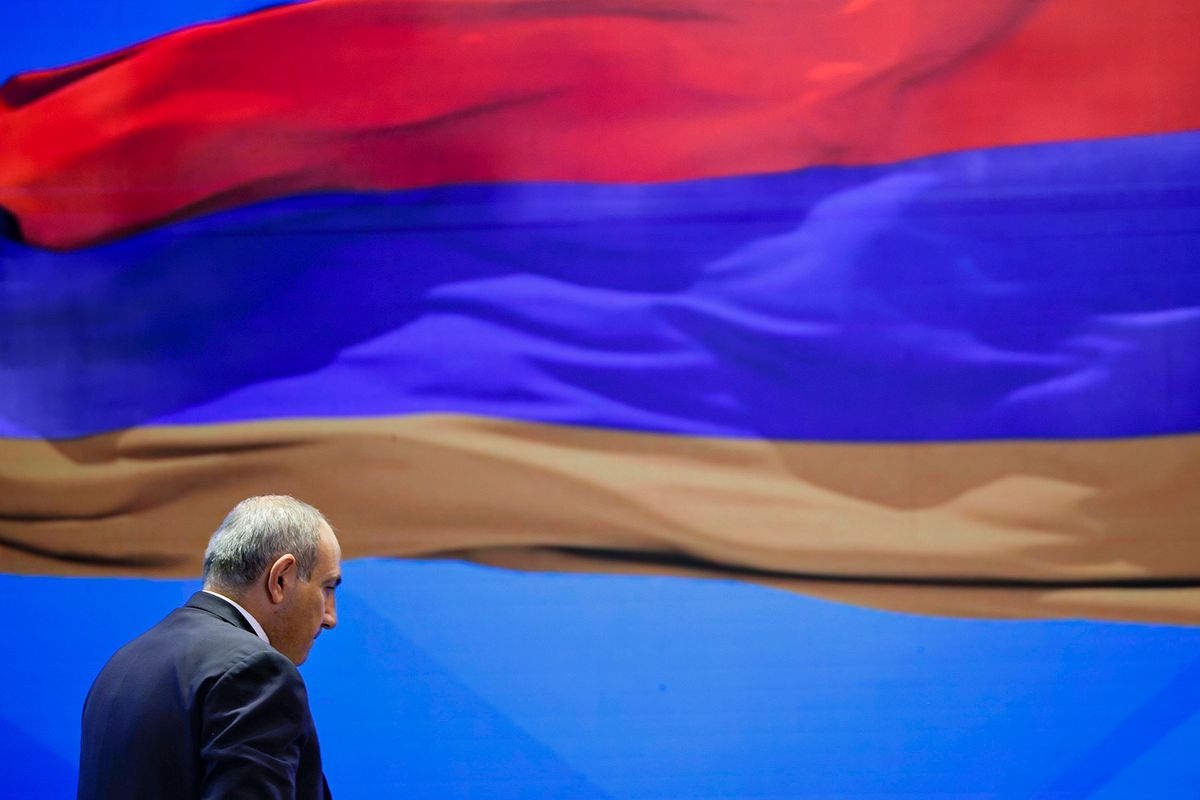
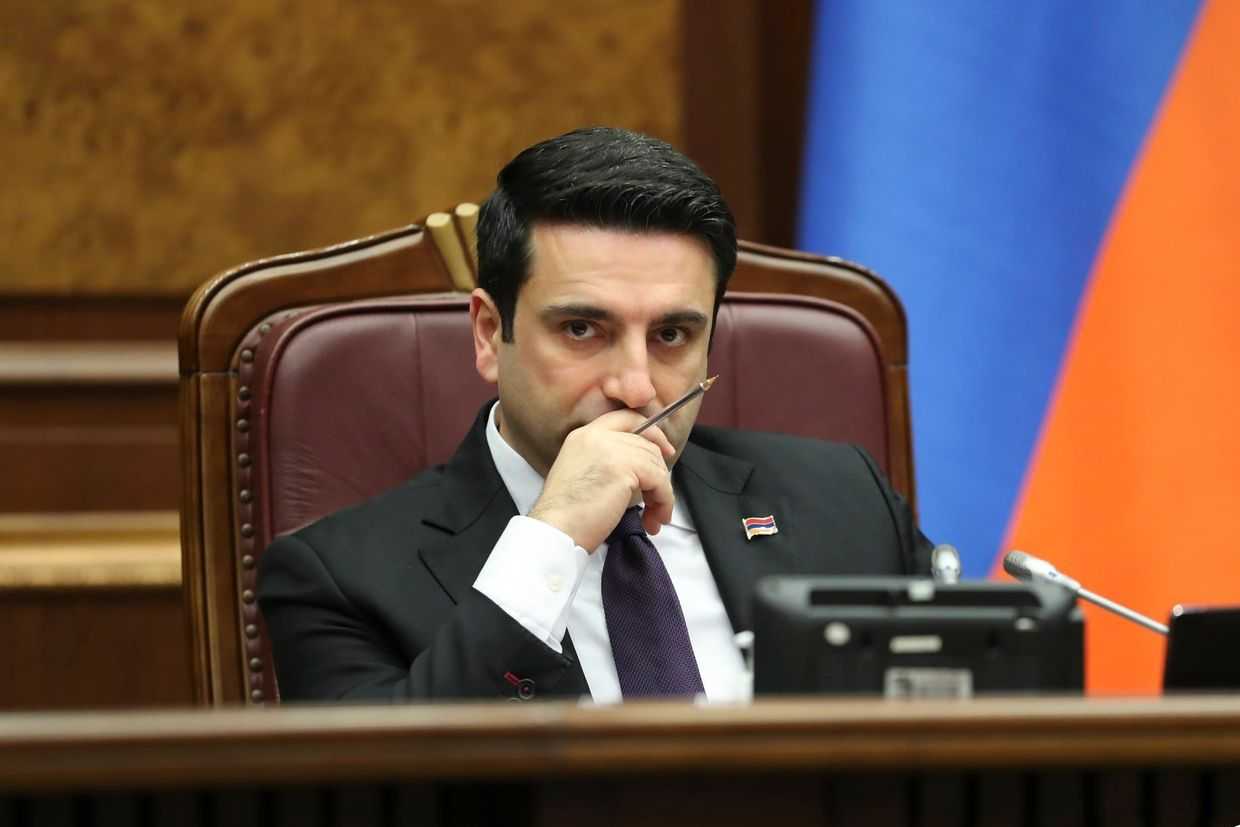
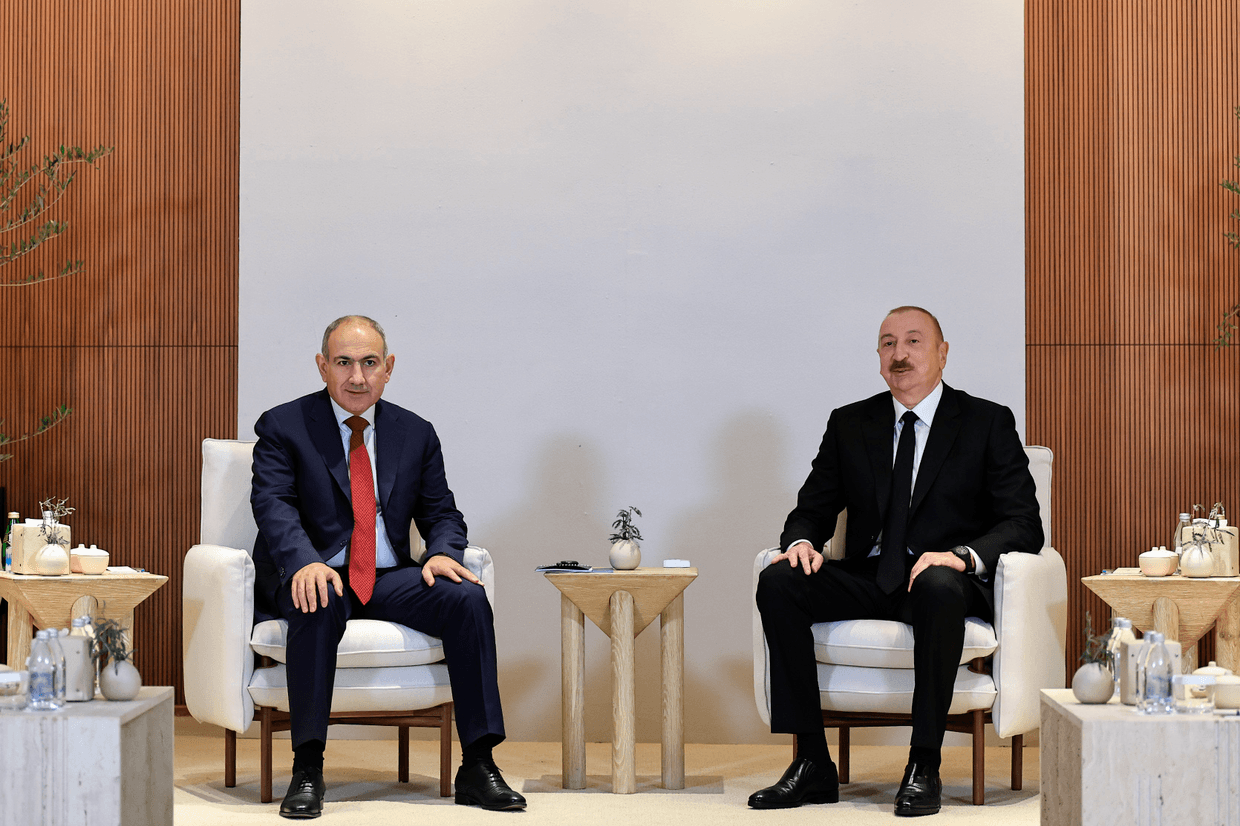
Such statements contrast sharply with those of Armenian Prime Minister Nikol Pashinyan, who has suggested moving away from such allegations for the sake of peace.
In his weekly press briefing on 26 March, Pashinyan refused to assess the mass exodus of Nagorno-Karabakh Armenians in September 2023 as ethnic cleansing in response to a journalists’ question, instead dubbing such discourse ‘harmful’.
 Arshaluys Barseghyan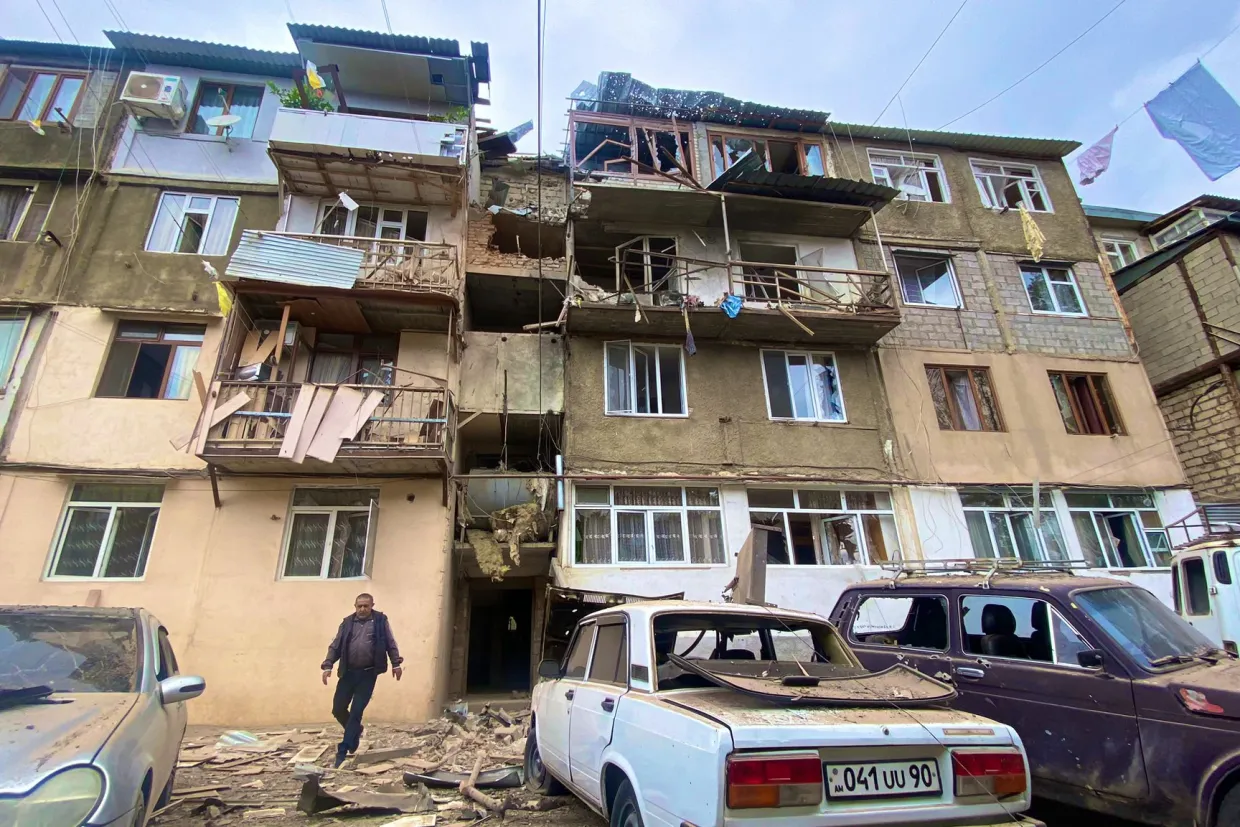
Referring to the word ‘genocide’ in another journalist’s question about the attack on Nagorno-Karabakh in 2023, Pashinyan suggested that focusing on such terminology was detrimental to peace in the region.
‘In general, this race of genocide [accusations] needs to stop. In our region, everyone accuses everyone of genocide’, Pashinyan said.
He added that discussions about genocide and return issues — in reference to Nagorno-Karabakh Armenian refugees returning to the region — only trigger mirrored accusations.
‘We can call it ethnic cleansing and, in response, receive mirrored accusations of ethnic cleansing, [or call it] genocide and get the mirrored genocide [narrative]’, Pashinyan said.
He suggested that it was an entry into ‘the path of conflict, and that is not my concern’, instead stating that his concern was to help refugees settle in Armenia, live in peace, and have homes and jobs.
Pashinyan has insisted that peace has been established between Armenia and Azerbaijan since the initialling of a peace treaty at the Washington summit in August 2025, but has repeatedly stated it must still be strengthened.
Arshaluys Barseghyan