‘Becoming queer to a place’: Patricia Ononiwu Kaishian on indigeneity, queerness, and mushrooms
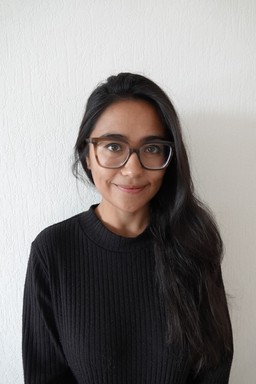
This Armenian–American author and mycologist’s debut is a loose memoir examining queer ecology and the importance of persevering through dark times.

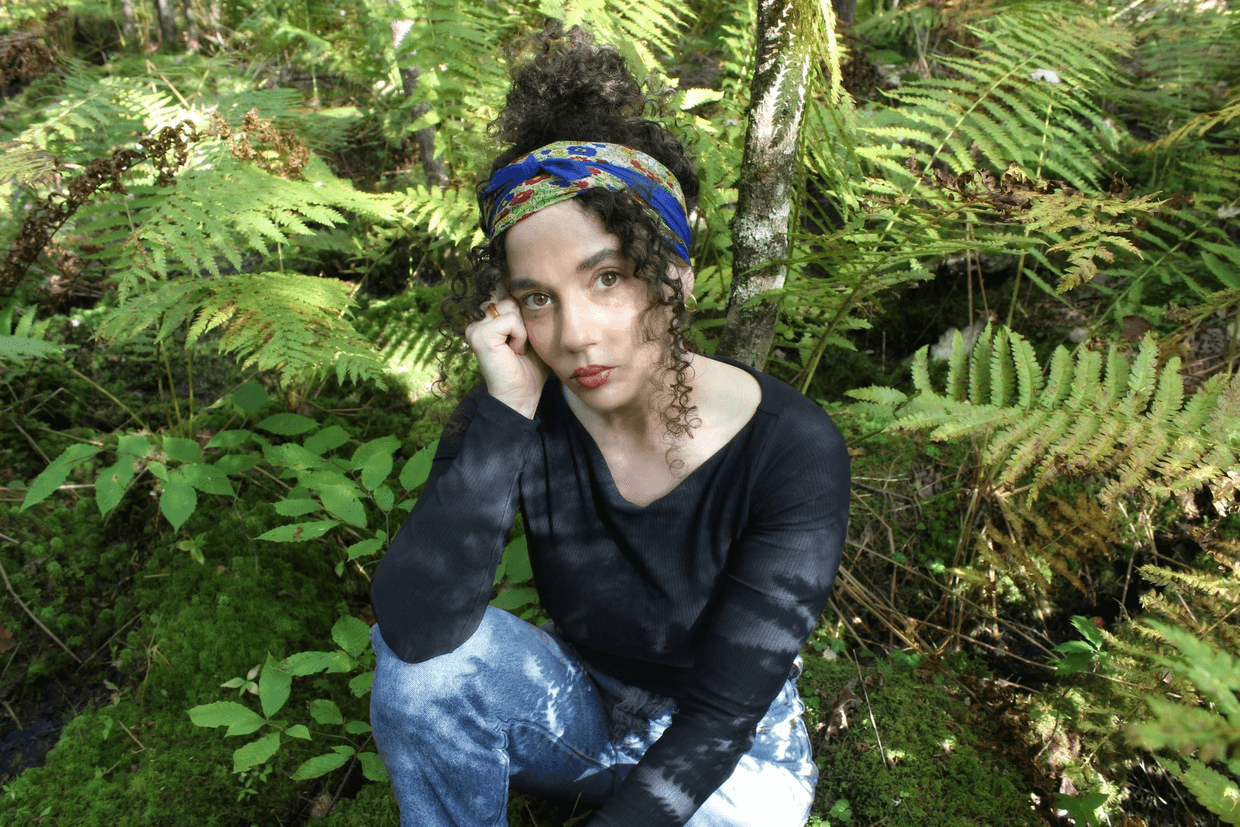
‘Who am I to despair when my ancestors and the ancestors of my loved ones fought so hard to survive?’ Armenian–American author and mycologist Patricia Ononiwu Kaishian asks in the first pages of her recently published Forest Euphoria: The Abounding Queerness of Nature.
‘Who am I to resign myself to some abstracted “end of times”, when people have been struggling against colonialism and genocide for hundreds of years? […] Rising to this present moment will require blending knowledge from science and social histories, as well as cultivating unapologetic and queer interspecies love affairs’.
Thus begins the sprawling book, which, in the form of a loose memoir, takes us from her childhood in New York’s Hudson Valley living through abuse, explorations of ‘amphibious personhood’ and her queer self, conversations with crows, and a doctorate in mycology, to her present occupation as Curator of Mycology at the New York State Museum. At the same time, the text also covers a wide range of other topics, from the sex lives of slugs to Zoroastrian texts and from billionaires in space to the destruction of mulberry trees in Nagorno-Karabakh.
Further intertwined are a multitude of ways to think about the natural and human worlds — ideas of ‘queer ecology’, a two-pronged approach to science that asks practitioners to challenge the biases and assumptions of the field while also exploring queerness in a ‘literal reproductive, biological sense’; the ‘forager methodology’ through which marginalised queer humans build new rituals and connections from the ‘bits and pieces of the world that have also been stigmatised or rejected’, and what we can learn from the resilience of ‘post-apocalyptic peoples’, those who have already survived the end of the world, whether from the ravages of slavery or from genocide.
Bringing diverse worlds together through queer ecology
The book arose from Kaishian’s longstanding interest in the ‘philosophy of science and the intersection of science and ethics and social history’ and her once private, secret love of writing.
‘Early in my PhD trajectory, I started to think a lot about the way in which fungi have been marginalised scientifically, and I got really curious as to how specifically social forces have shaped science. And I started looking at mycology as the sort of a case study for that phenomenon — that science can be directly, very, very materially impacted by cultural perceptions and biases’, she says.
Parallel to this, Kaishian was coming to terms with her own queer identity. She found that her study of fungi and the natural world, in a more technical way, helped her to recognise some of her own queerness in herself.
‘Like queer fungal organisms — I was seeing how common they were and how much they are part of the natural evolutionary fabric of life on Earth. And these things started to mutually reinforce one another. I started to think about my own queerness in a certain way that helps me also then think about science in a different way, like using queer theory to understand the ways that science has played out’.
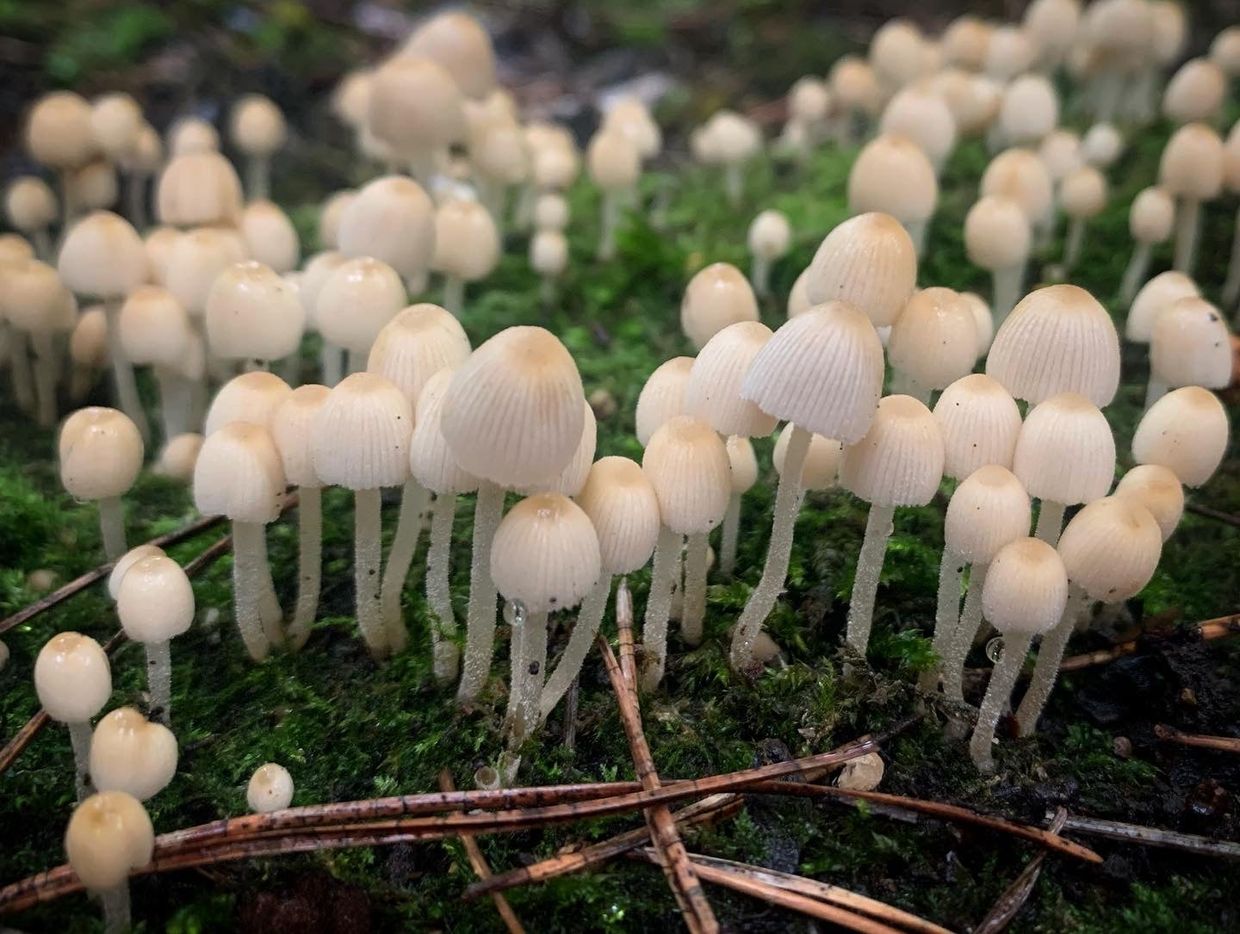
Kaishian continues to do ‘straightforward scientific work’ in addition to her writing and science communication work. She is one of very few people in the world who specialises in Laboulbeniales, a type of microscopic fungi that live only on the surface of insects. As a fungal taxonomist, she describes and documents species in this ‘obscure and enigmatic’ order, identifying them and giving them names and places in the taxonomic order.
She explains that fundamentally, queer theory is about ‘understanding the categories of what gets categorised as normal, versus what gets categorised as abnormal or deviant, and then understanding who made those categories, how do those categories affect how we interpret the world around us, and would we be better served in certain instances by dissolving those categories or subverting them’.
‘Why is it that queer people are seen as perverted and unnatural, when in fact, in nature, queerness is very normal and common? Why is it that we have certain disgust and disdain for certain species? What motivates that disgust and disdain? How is that a reflection of certain cultural values?’ Kaishian asks.
She believes queer ecology is about remediating our relationship to nature and these other species, including them in ‘our action-oriented identity as queer’.
‘I’ve tried to move away from queerness as an identity, and more to thinking about it as a call to action, towards liberation. Queerness, to me, is about asking, what is community, my obligation to other people and to other species, and how can we all be involved, across difference, in a shared project of liberation?’.
Building a connection to her Armenian identity
While the bulk of the book is dedicated to lush descriptions of queer natural phenomena and Kaishian’s relationships to the natural things she encounters, her Armenian heritage provides another through line.
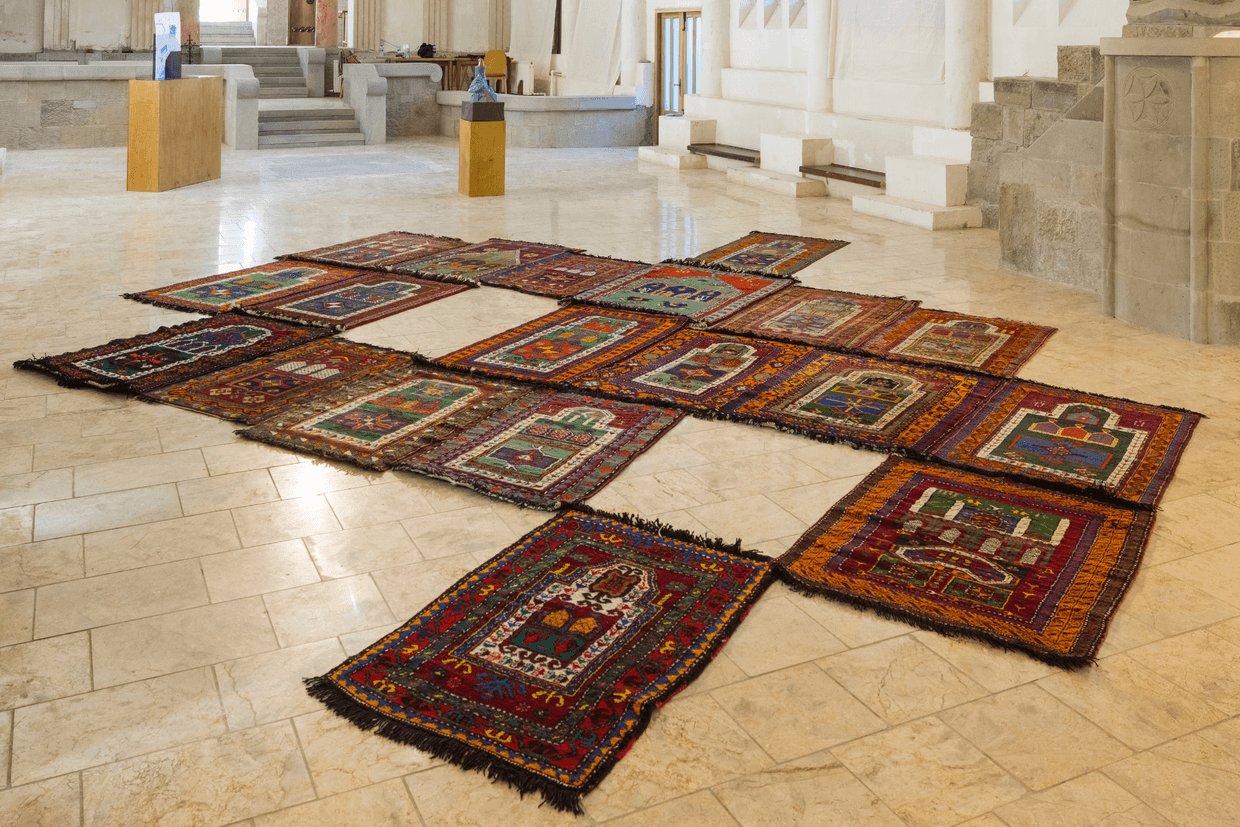
Kaishian’s paternal ancestors fled the Armenian Genocide in 1915 and didn’t look back, leaving her ‘desperate for more connection to [her] Armenian identity’. They eventually settled in Yonkers, a suburb of New York City, and started a carpet business. Her grandfather, fluent in Armenian, raised her father alone, and there the language was lost.
‘Mothers, for better or worse, tend to pass on more of the culture in families when it comes to food and language’, Kaishian says. Her own mother, American of Irish and Italian extraction, ‘obviously loves Armenians, but didn’t specifically cultivate the culture’.
Regarding the genocide, her immediate family ‘had much more of a “bury it and forget it” kind of attitude to the specifics of what happened’.
‘They still loved eating Armenian food, going to the Armenian Church, but they weren’t into the sort of biographical, genealogical kind of information’, she says. ‘It’s like, there are two trauma responses to these things. Usually either you’re kind of obsessed with it and actively pursuing all the information you can, or you don’t engage with it at all’.
As she writes in her book, the Second Nagorno-Karabakh War ‘acutely reactivated generational trauma for earlier survivors and their descendents’. It also sparked her into action, organising online with fellow Armenians and ultimately creating the International Congress of Armenian Mycologists (ICAM).
The organisation was founded with the intent to ‘leverage [their] capacity as scientists towards fungal conservation and biodiversity protection in Armenia’, both in strictly scientific ways — contributing to conservation biology, documenting species, and studying fungal ecology — but also in terms of a collective philosophy that links biodiversity and culture.
‘When one is threatened, the other is threatened, and to protect one, it’s also about protecting the other. So these things are very deeply embedded’, she says.
‘Part of protecting Armenian sovereignty is protecting landscape and water and the relationship to place’.
The following year, she became the first of her family to travel to Armenia since they fled to the US, travelling with fellow scientists to build relationships with Armenian peers while doing sampling at the Yerevan Botanical Garden for a forthcoming paper on mycorrhizal fungi and oak trees and looking at mushrooms and lichens in Dilijan National Park. While that trip was mostly introductory, aimed at building relationships with local scientists, they came away with many ideas for future research and inklings of new species to be described.
‘One project we had in mind was to study the impact of some of the conflict on biodiversity in the region, like the use of white phosphorus and other munitions, and seeing how that might impact biodiversity’, she says.
Azerbaijan’s 2023 lightning offensive that resulted in the complete takeover of Nagorno-Karabakh and the subsequent mass exodus of Nagorno-Karabakh Armenians have put that idea on hold.
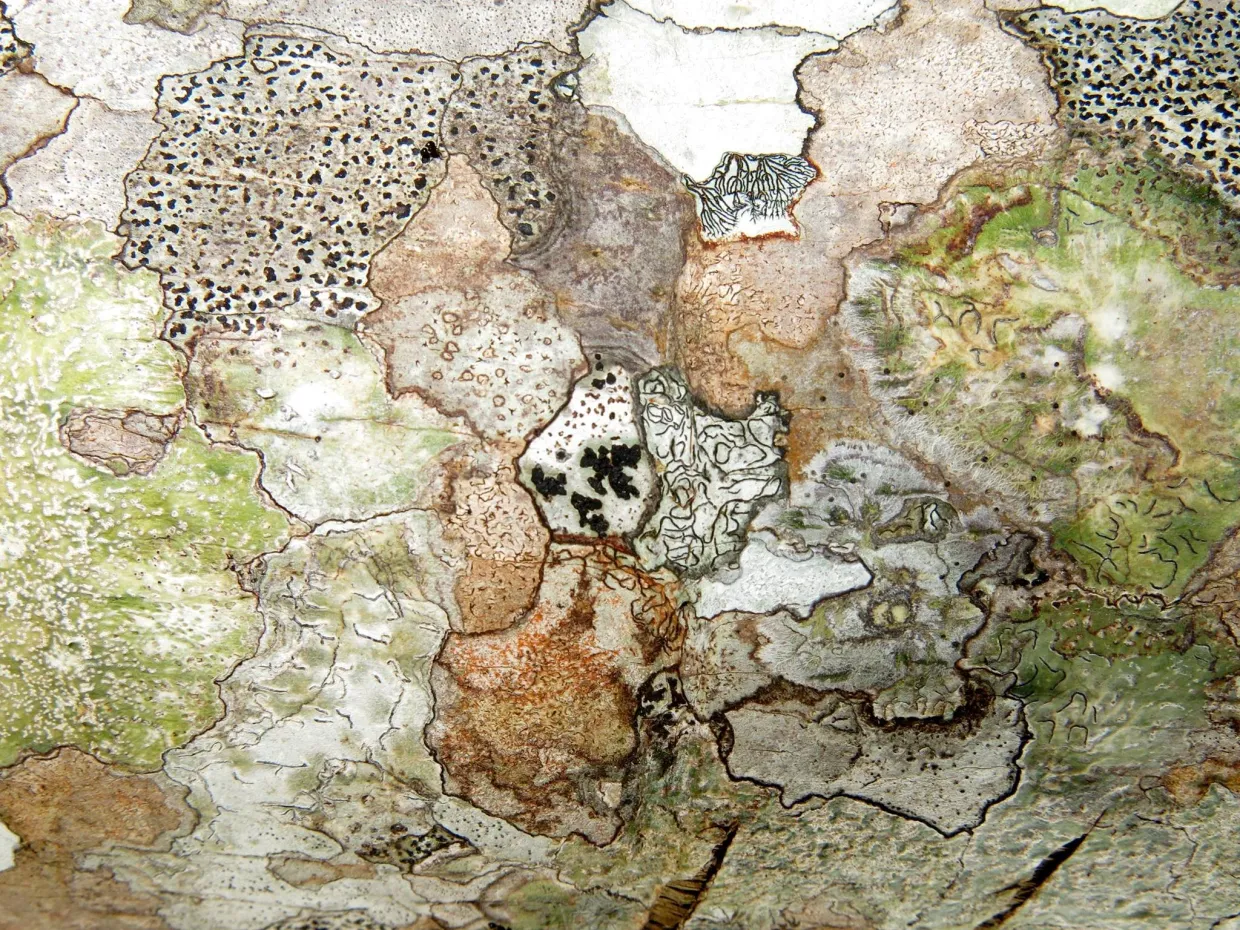
Forthcoming papers — and another book in the works, on biodiversity and resistance movements — aside, Kaishian is also planning to attend the 17th Conference of the Parties (COP17) to the UN Convention on Biological Diversity hosted by Armenia in October 2026, and develop some programming around the conference related to fungal biology.
‘Becoming queer to a place’
During Kaishian’s 2020 visit to Armenia, talking specifically about queer issues didn’t seem urgent.
‘At the moment we were there, they were dealing with this existential crisis of war, and they knew people who died’, she says. ‘I can see why, on some level, they’re like, maybe a pride parade isn’t what we want to think about, not that that’s what the book is about’.
‘In very traditional Armenian communities, there’s a lot of work to be done with homophobia and sort of patriarchy and stuff like that, which is true for a lot of different communities’, she says. ‘I’m a little bit outside of some of those deeply traditional spheres’.
But in general, she says, reception has been very positive.
‘Most of the Armenians I know are really craving more Armenian stories […] Anything Armenian is just exciting. Even if it’s not something that’s totally within your exact interest or comfort zone, there’s still a lot of support for getting Armenian voices out there’.
Part of that might come from her rather generous approach to dealing with homophobia.
‘I don’t mind being patient with people and meeting them where they are. That’s a big part of what I tried to do throughout the book, not be too prescriptive or lecturey. I tried to avoid tactics of shame, or just hitting people over the head with stuff. That’s been a really common approach from people in my circles, and I just don’t think it works very well, and it’s alienating’. she says.
‘People need more to give people a little bit more grace […] Is your goal to be right, or is your goal to get someone into the fold? That’s more my goal than to be the person who’s right’.
Forest Euphoria is deeply indebted to another female science writer — Potawatomi botanist Robin Wall Kimmerer, author of the 2023 book Braiding Sweetgrass: Indigenous Wisdom, Scientific Knowledge, and the Teachings of Plants. In her book, Kimmerer looks back to the Potawatomi origin story, in which a woman falls from the sky and, working with other living beings, creates the rich green Earth that humankind would inherit. Puzzling through this contradiction of indigeneity and immigration, Kimmerer concludes that it is possible to become ‘indigenous to a place’.
Becoming indigenous is ‘to intentionally and intensively bond to an ecology, to be a steward and a student of the species around you, regardless of your ancestral origins’, writes Kaishian, grappling with her own feelings of deep connection to the woods and swamps of her childhood and her desire for belonging in Armenia.
‘As a corollary to “becoming indigenous to a place”, I like to think of “becoming queer to a place”. To be “queer to a place” would mean that no line can be drawn between you and the wet earth around you. To be “queer to a place” would mean that many things can be true at once: that you can be a migrant and still belong; that you, like every other being on this planet, can be full of unresolvable contradictions and still find acceptance’, she continues.
Kaishian is aware that all of this might be a bit ‘too American identity politics’ for Armenians in Armenia, many of whom have lived where they currently live for thousands of years and are thus rather less prone to that sort of nation-of-immigrants navel gazing.
But these are radical ideas in a world where having been somewhere the longest is often understood to mean having the most right. Can the child of an Azerbaijani settler in Nagorno-Karabakh study the flowers and heal the land and become indigenous to the place? Can the 115,000 Armenian refugees from ethnically cleansed Nagorno-Karabakh, traumatised and struggling with basic needs like shelter, ever feel indigenous to somewhere else? It feels impossible.
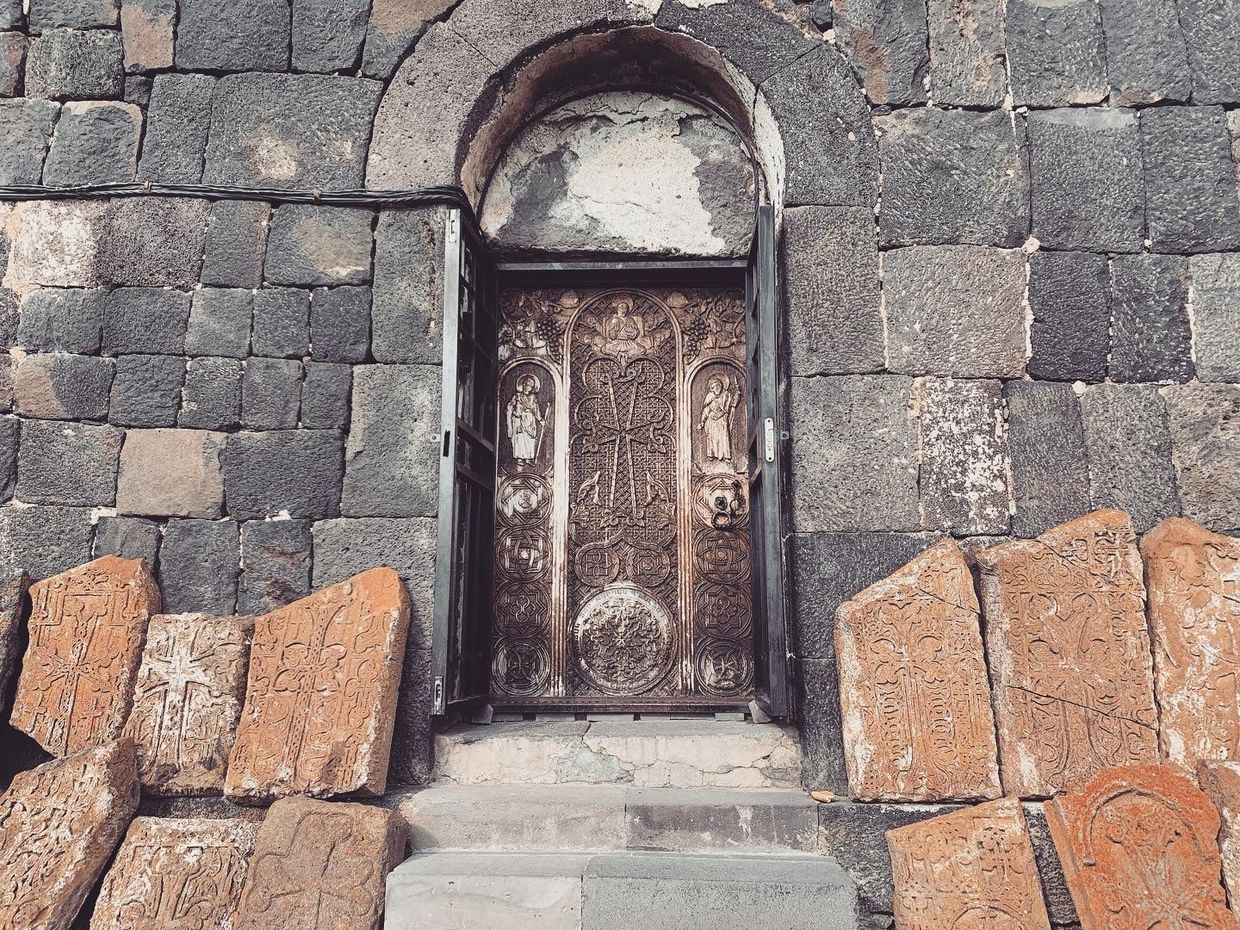
In her book, 110 years after her ancestors fled genocide, Kaishian ultimately finds contentment and safety in a new patch of forest in New York, a descendent of migrants with a lingering longing for connection to her ancestral homelands and an indivisible connection to the hemlocks, Megacollybia, and wet earth beneath her, microbes blended with the soil. She writes, ‘After you establish such a bond, how could you ever say goodbye?’
In the year since the book was published, amidst the horrors of the present, has she managed to maintain that undespairing outlook as present in the book’s introduction?
From the relatively minor challenge of US cuts to science funding to the ongoing conflict with Azerbaijan and global atrocities like the genocide of Palestinians in Gaza (members of Kaishian’s family are Palestinian), she says, ‘it is definitely a dark time’.
‘One fear that I have is that all these other conflicts will give cover to Azerbaijan and then it will be swallowed up. And no one would even blink because they’ve been exhausted by and consumed by Gaza, which would be understandable’.
‘There are moments of despair and paralysis, for sure. I would say that in general, I do keep that concept in my pocket […] It’s sort of like — the world is a really complicated place, and there have been so many horrors, including things my ancestors experienced’, she continues.
‘But also, there are people surviving in Gaza right now’, she says. ‘That, in a way, does keep me alive and motivated and sort of obligated and responsible’.
‘I try to help people see, but then not get trapped in the despair of it, either. Just accept it and move forward, towards, “Okay, so what do we do now?” ’.