★★★★☆
This film tells a deeply personal story from the point of view of the granddaughter of the last speaker of Ubykh, an extinct Caucasian language.
The Ubykh language died with Tevfik Esenç in 1992.
In the past, it was spoken by the Ubykh people, a Circassian tribe that lived around present-day Sochi. The population was small, and were believed to have been driven out of the Caucasus entirely during Russia’s 19th-century genocide of the Circassians.
The language itself captured the fascination of a variety of renowned Western linguists for its phonological complexity; it not only topped Circassian and Abkhaz with its number of consonants, it also had a record high number of phonetic consonants outside of languages spoken in Africa — 84 consonants and only three vowels.
The film, however, is less about the language and more about Esenç’s life; about how an average man spent the last few decades of his life working with a circle of academics to document this dying language.
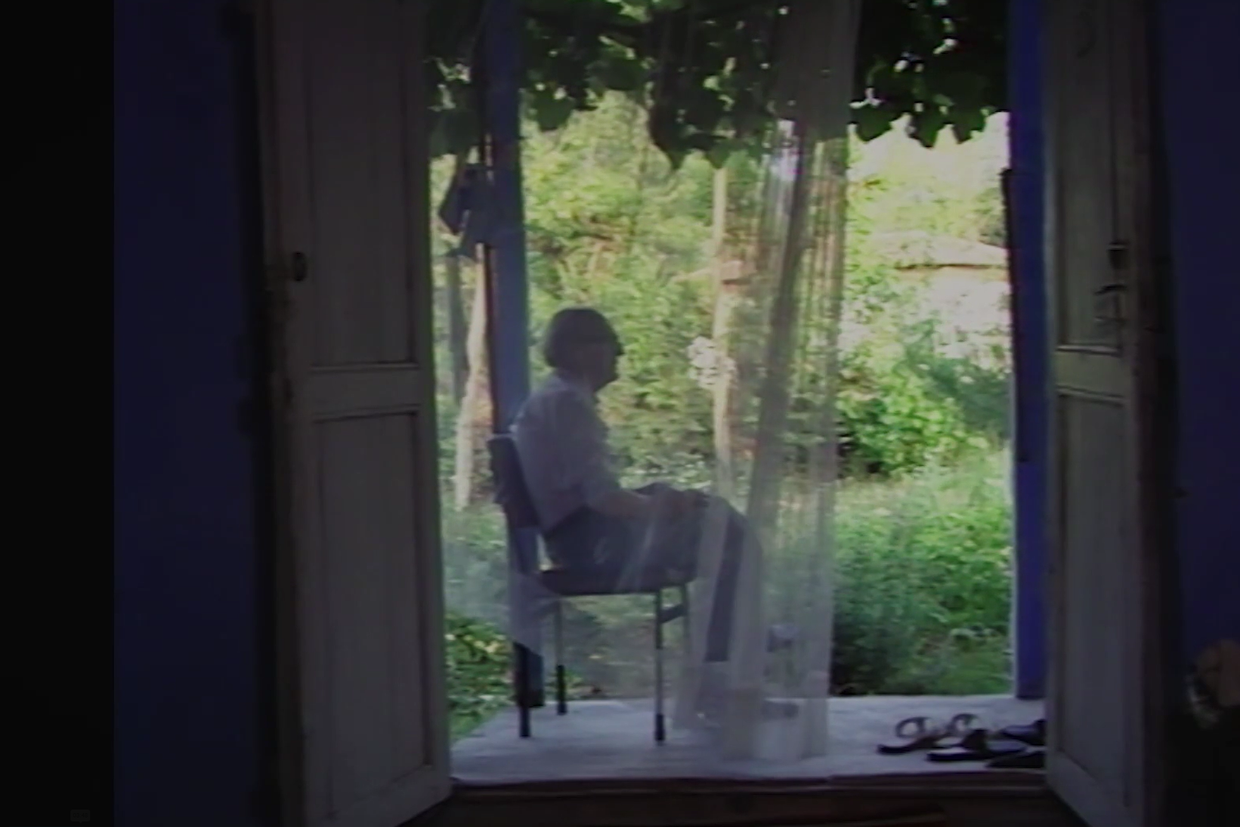
This story is told by his grandchildren, Burcu Esenç and Cantekin Cantez, with the crux of their journey focused on finding the archives recorded by Tevfik Esenç and linguist Georges Dumézil, among others.
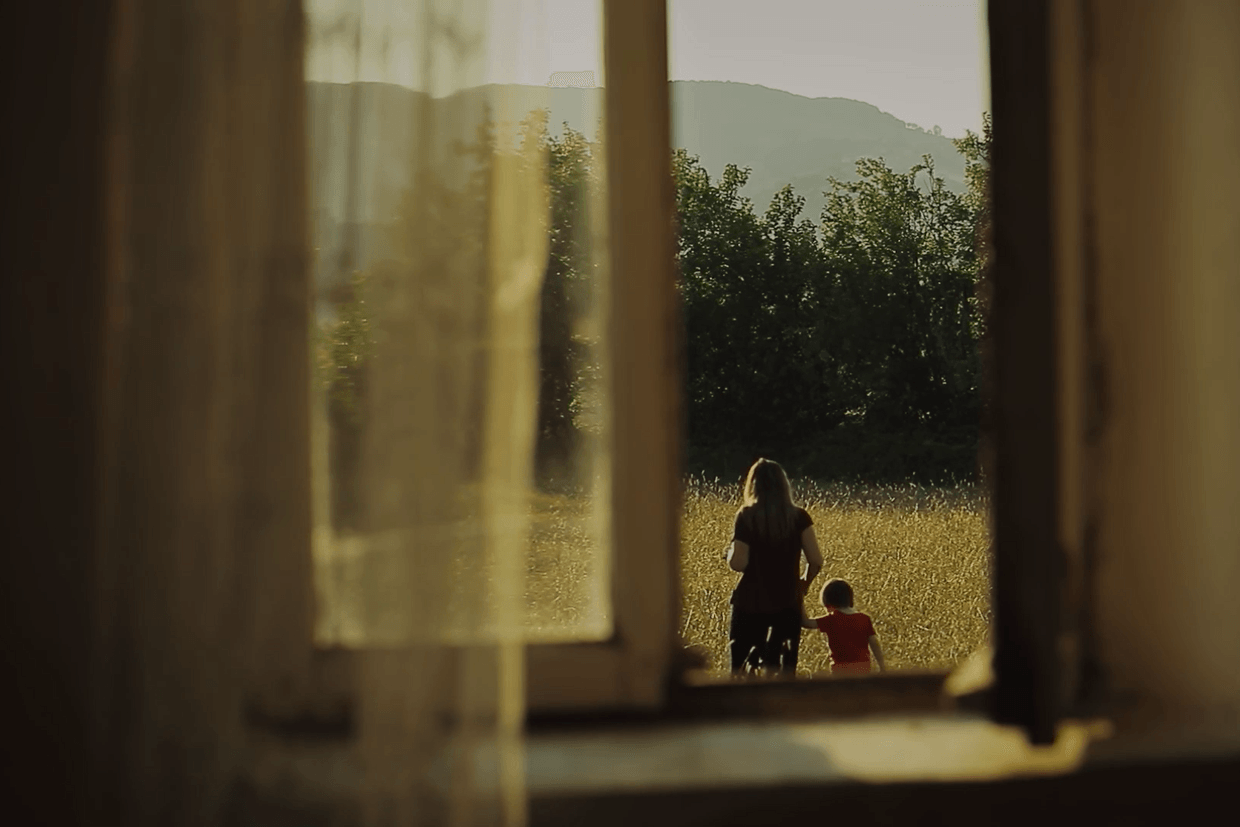
Burcu, who narrates and serves as the film’s lead, begins the film lamenting not being able to come up with a single name in her ancestral Ubykh language for her newborn son. She recalls her grandfather’s life as a local celebrity in their Turkish village and a niche icon in the world of Caucasian linguistics.
Often, she muses over how lonely her grandfather must have felt as the last speaker of Ubykh — a driving theme in the film. We learn that their grandmother was fully capable of speaking the language herself, but chose to only speak Turkish after being scolded by a stranger for speaking Ubykh on a tram. The film does not dive into Turkey’s notorious assimilationist policies, but leaves it to the viewer to deduce that many Ubykhs also likely chose quiet assimilation.
Concerns over her grandfather’s loneliness dissipate throughout the film as Burcu retraces his footsteps to Paris, a small town in Norway, the Circassian republics of the North Caucasus, and Abkhazia.
She finds mention of her grandfather in local newspapers, and relatives of Dumézil and Georges Charachidzé, another linguist who had worked with Tevfik, share anecdotes and stories about her grandfather’s encounters with Europeans with whom he did not share a language.
Across Europe, the siblings find scraps of recordings and notes made by Tevfik and Dumézil, including phonetic diagrams and charts of the odd sounds he produced in Ubykh, in addition to X-ray recordings of his mouth as he speaks the language and its many consonants.
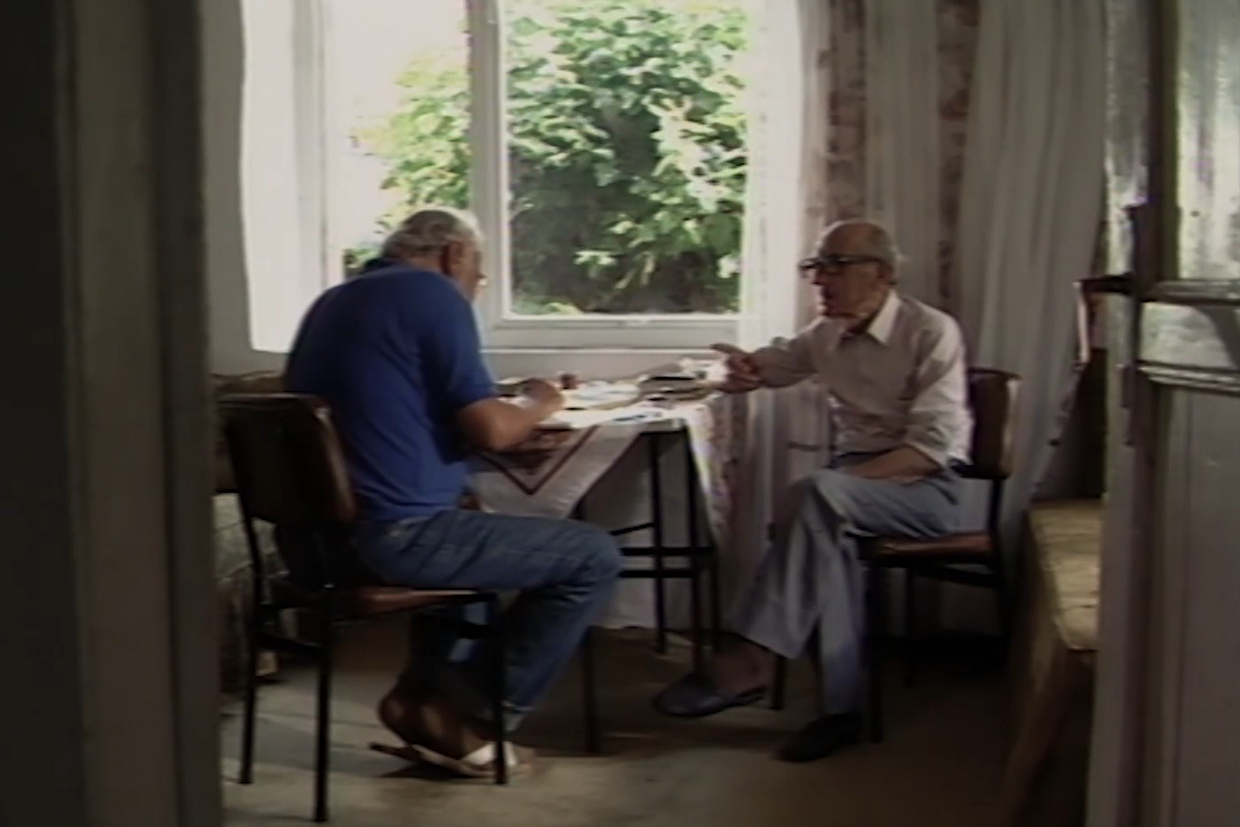
Emphasis is placed on the relationship between Esenç and Dumézil, which appears to have transcended that of a scholar and his subject and into a genuine friendship. In one scene, a tearful Burcu reads a letter penned by Esenç telling Dumézil about her own father’s wedding.
I Had A Dream You Won’t Understand Even If I Told is really at its weakest when it lapses into melodrama with unnecessarily suspenseful music in scenes where Burcu parses through old documents. It also features at least one redundant interview that hypes up her search for her grandfather’s archives.
It’s at its strongest when it touches on the plight of the Ubykh people, the fear of assimilation, and the tragic loss of a language and the efforts undertaken by two men to document it for future generations.
In a scene that lingers, we hear recordings of Esenç describing the exile of the Circassians and reminiscing about his ancestral village of Vardan, located just north of Sochi. Burcu visits the village, calling it the ‘place where our story began’. There, she acknowledges the scars of the genocide — unlike her father, her grandfather, and her great-grandfather before her, who adamantly refused to pass on the horrors exile wrought on their family.
Film details: I Had a Dream You Won’t Understand Even If I Tell (2019), directed by Cantekin Cantez and Burcu Esenç.