Georgia’s DMD families and their uphill fight for treatment
Duchenne’s Muscular Dystrophy (DMD) is a genetic disease that causes rapid muscle loss — in Georgia, there is little state support for healthcare.
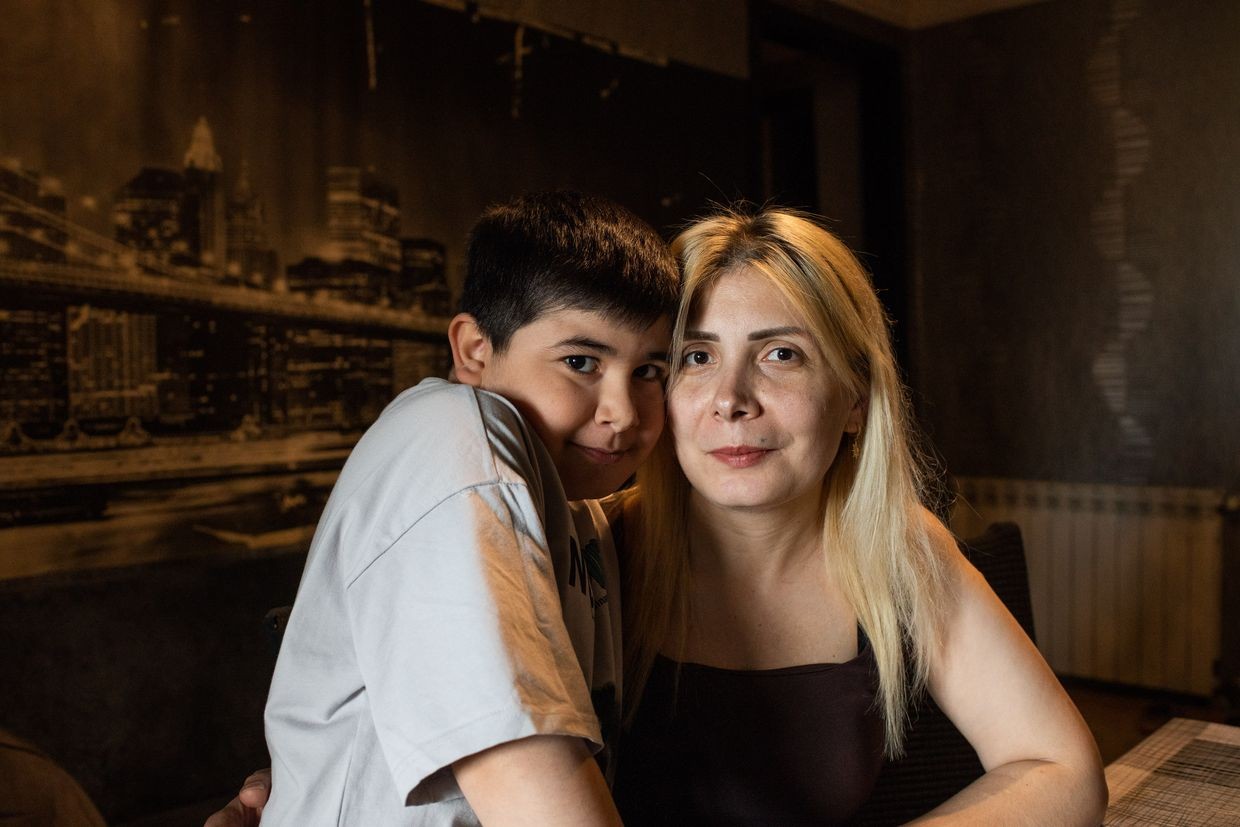
Rasul from Georgia’s industrial hub Rustavi is much like other 11-year-olds: happy and gregarious, he likes ice cream and snacks, playing video games with his best friend, and above all, football. When he plays, though, he usually asks to be the goalkeeper, since he can’t run that well and falls often.
His mother, Esmira Huseinova, first noticed that Rasul had begun limping three years ago. The doctor suspected a rare genetic disease. Esmira didn’t understand it at first — the neurologist hadn’t given her an explanation, so she turned to the internet.
‘I swore, after that experience, to never look up anything medical online again,’ Esmira says, recalling the horror that flooded her.
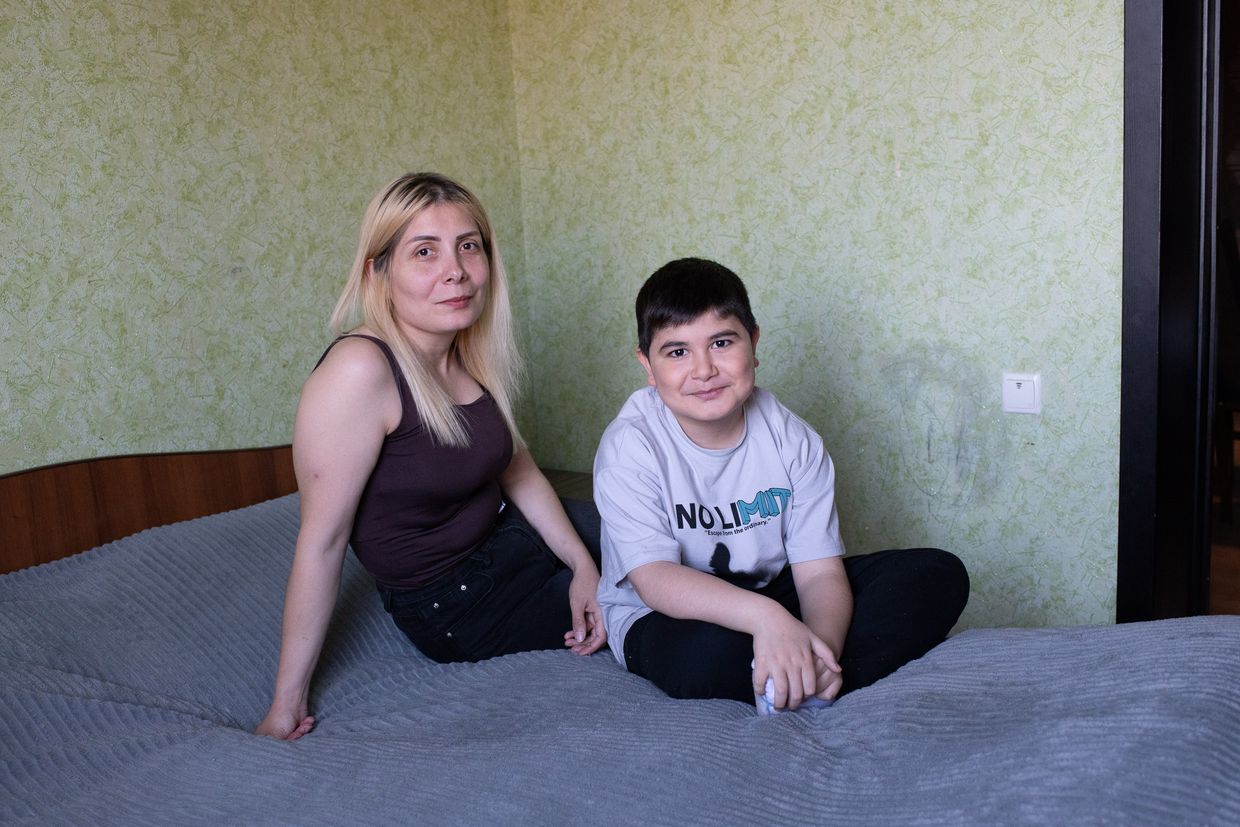
The tests confirmed that Rasul had a genetic disorder that made his legs unstable, limiting the time he could spend on his feet.
Duchenne’s Muscular Dystrophy (DMD) is a genetic disease that causes rapid muscle loss, predominantly in boys. Most cases start with parents noticing that their child can’t climb stairs and frequently falls, as the disorder affects the pelvis and legs first. Patients usually become wheelchair-bound by the age of 11-12, with the hope to live to their late 20s with ventilation support as the illness slowly takes over the muscles; there are a few documented cases of people living into their 30’s.
Rasul peeks curiously from the window to see if there are other kids playing outside on Saturday afternoon — he is still active and braves the streets with his mother every day.
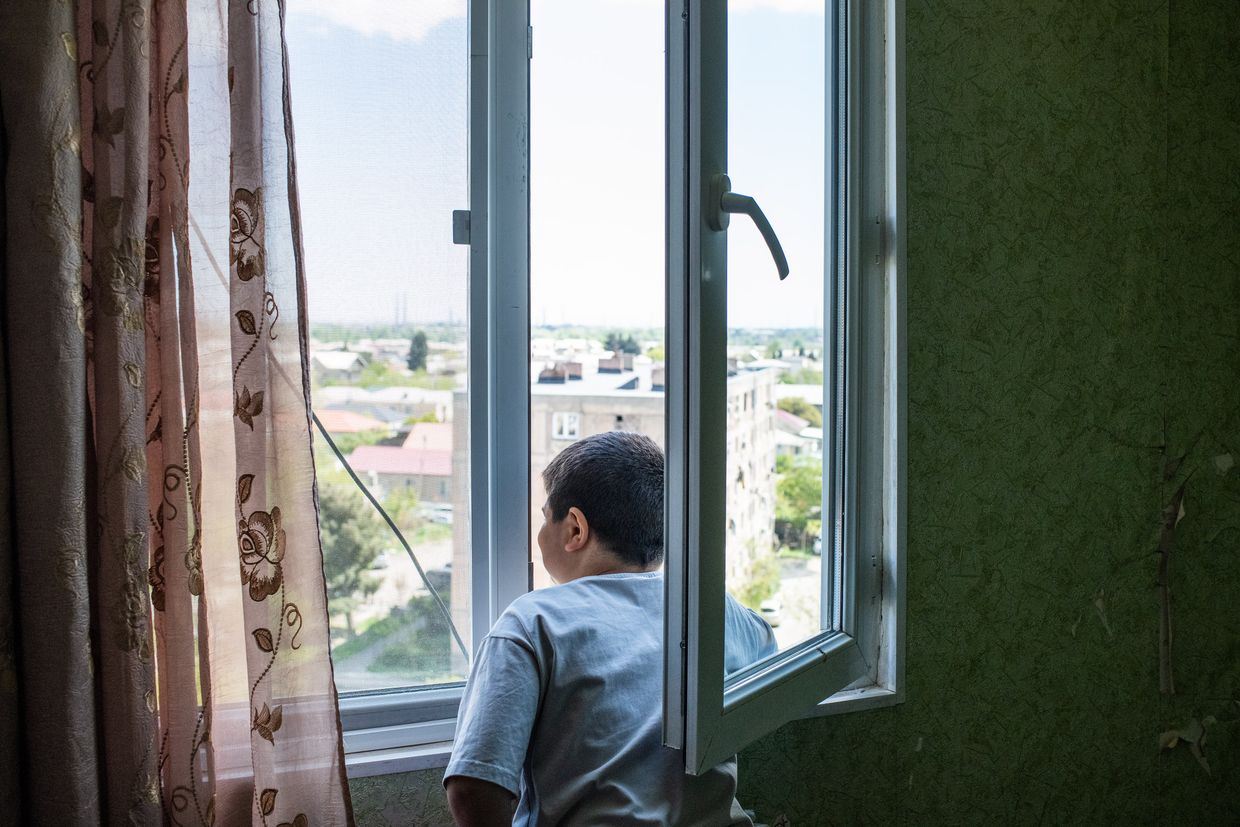
‘We walk everywhere’, Esmira says, ‘I got used to people staring when he falls, I got used to everything. The important thing is he gets the medications [he needs] while he’s still on his feet.’
She refers to a group of newer medications available abroad — but not in Georgia — which have been shown to delay the need for wheelchair support and improve quality of life, although they do not reverse or cure the disease completely. The exact delay has not yet been determined and varies by case, but it buys meaningful time for the children and their parents. Apart from the need for more advanced care and logistics, wheelchair dependence brings health complications such as scoliosis, joint stiffness, and respiration problems. The children also lose access to the activities they previously enjoyed.
What Rasul has access to now is a benchmark steroid therapy for Duchenne’s that also prolongs the period of walking, but negatively affects weight, bone structure, and eyesight. Esmira shows photos of Rasul carrying flowers on the first day of school, where he is still a normal weight, and calls the hormone he is receiving ‘horrible’.
She is just one of the parents demanding access to the new medications in a continuous protest after nearly two years of unfruitful meetings with Georgia’s Health Ministry. As of now, children with Duchenne’s receive social benefits of ₾425 ($160) a month, a daily dose of hormones, and 12-15 days of physiotherapy monthly. The parents say this is not enough — on top of the medication, children need close medical attention, which costs much more.
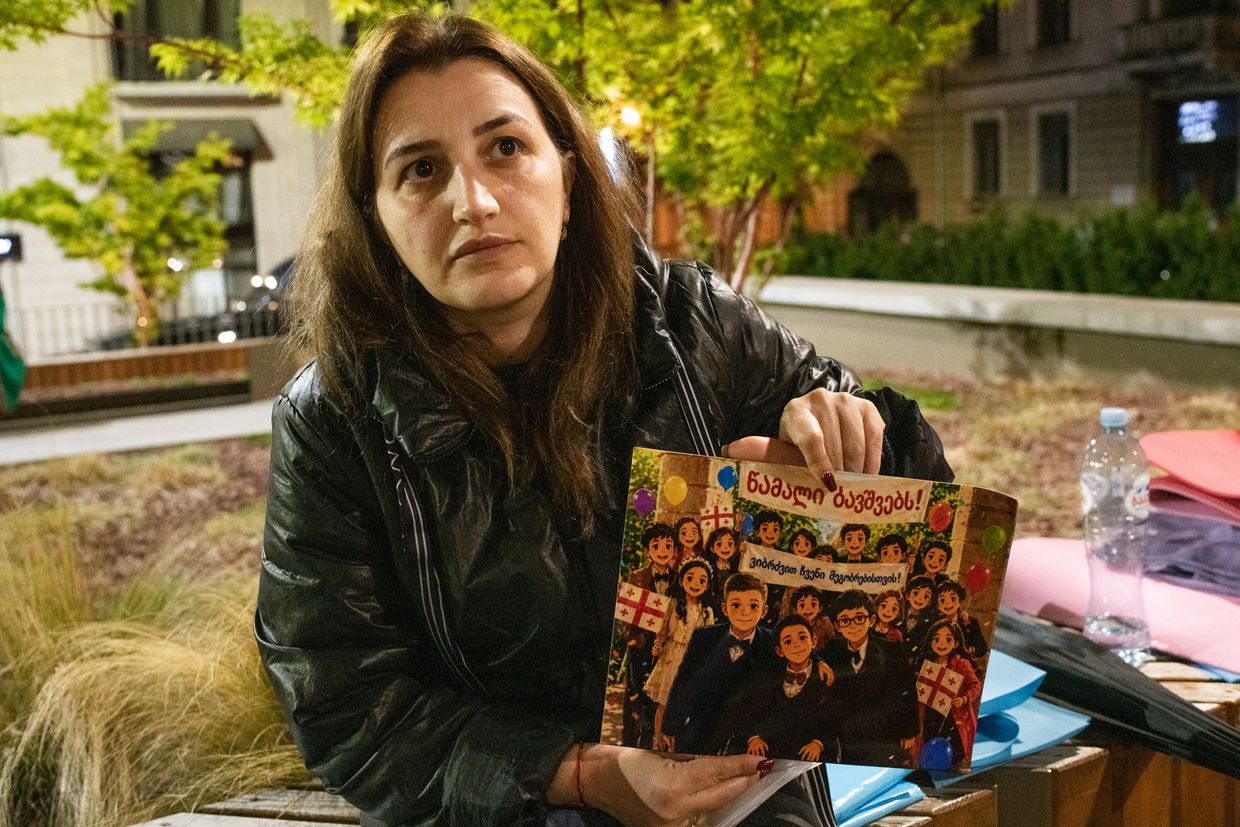
This Saturday, Esmira, who devotes her time fully to her son, is ready to leave him in the care of her teenage daughter just to be able to join other protesters in front of the Government Office in Tbilisi.
‘Even if it was too late for Rasul, I would still go for the others. No one knows what we as parents have to go through’, she says.
The families of children and adults with Duchenne’s have been gathering in front of the Government Office in Tbilisi for over a week, taking turns sleeping in front of the building in a continuous protest. Wrapped in blankets and stocked up on snacks for the night, they share their troubles and demands with separate anti-government protesters who join in support.

All of them have essentially the same request: upgraded service, with a team of professionals who will check up on Duchenne’s patients at least twice a year, and access to the new medications.
Developing treatments
There is no cure for Duchenne’s disease as of now, but parents keep a close eye on the development of the various treatments that are documented to significantly improve their children’s lives.
Despite genetic mutation heterogeneity across patients, many mutations fall into shared ‘categories’ that determine which therapies they are eligible for. The most common treatment is a steroid, such as deflazocort in Georgia, combined with physiotherapy. The drug calms harmful muscle inflammation but comes with some trade‑off risks that require regular check‑ups.
For these reasons, Tamuna Iakobidze, the mother of 19-year-old Luka, does not give him deflazocort every day.
‘There is [body] swelling, hearing loss, vision problems, and osteoporosis is progressing; many parents, when they see these effects, stop with the drug altogether’, she says.
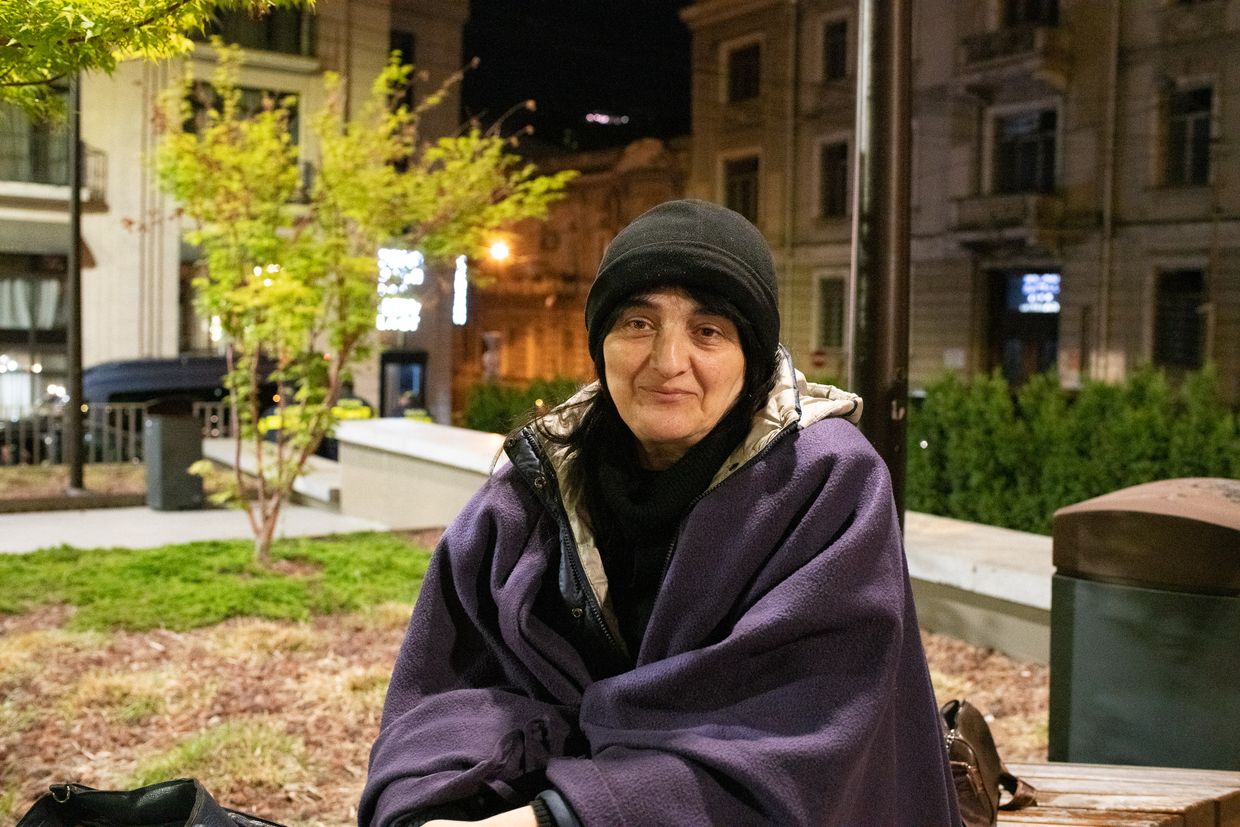
She hopes to instead get access to vamorolone, a newer steroid with fewer side effects that was approved for use in the US and EU in 2023 — but she knows that alone would not be enough: Duchenne’s patients need physiotherapy and complex check-ups, as the development of the condition affects all areas of the body. Tamuna says that it is borderline impossible to find a doctor for an adult with Duchenne’s muscular dystrophy.
‘Our children’s birthdays never make us happy, because each passing year takes us backwards’, she says, referring to muscle deterioration.
Larisa Eibova shares this urgency, as her grandson Aleksandre is set to turn 19 this autumn.
‘As soon as he turned 18, we lost access to [the state-sponsored] physiotherapy. Now he has just gone through surgery. This illness needs monitoring, you never know what problem might creep in unexpectedly’, she says.
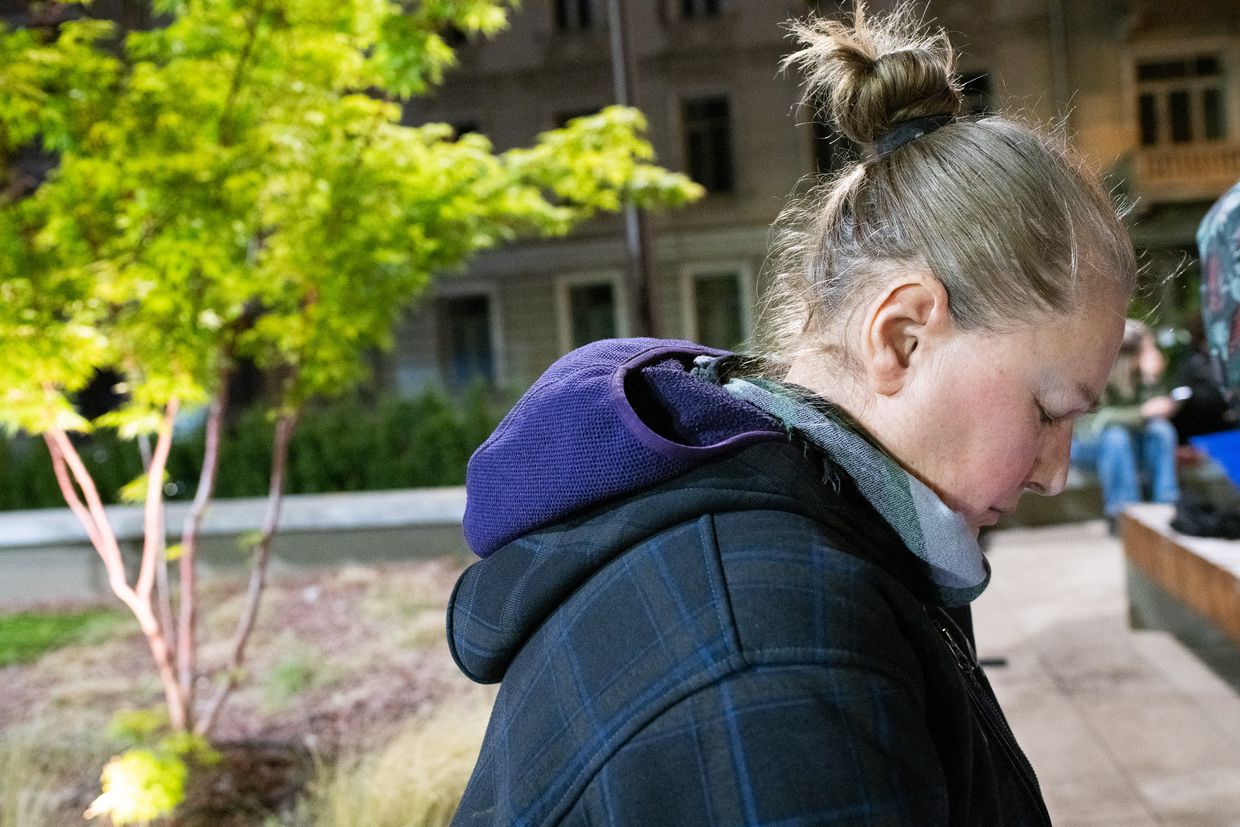
In his case, she says, the best possible outcome, apart from specialist support, would be givinostat, another new drug that buys more time and function for patients. It has already been approved in the US and conditionally approved in the EU as a next‑generation add-on therapy on top of steroids.
Parents of younger children, meanwhile, set their hopes on gene-replacement therapy with Elevidys, a drug that delivers the micro-dystrophin gene to children in a single infusion. This is a higher-stakes therapy approved in nine countries around the world, including the US, where the medication was launched by Roche/Sarepta. According to trial data, Elevidys demonstrated meaningful improvements on some functional measures. While the study of this therapy is continuing, parents are inspired by the case of 7-year-old Georgian–American boy Toma Nadirashvili, who improved after receiving an Elevidys transfer last summer in the US.
Teona Tedeauri, his aunt, shows a picture of Toma at the US hospital receiving the Evidys IV transfer. ‘He is living a full life, moving, improving on every front’ — she says. Toma, who was born in the US and is a citizen, additionally receives Givinostat and is under close medical observation. His brother, a 6-year-old, who also has Duchenne’s, is a Georgian citizen — the family moved back to Georgia after Toma’s birth. Now he and his mother are back in the US, while Teona takes care of Teodore, who receives treatment in Georgia.
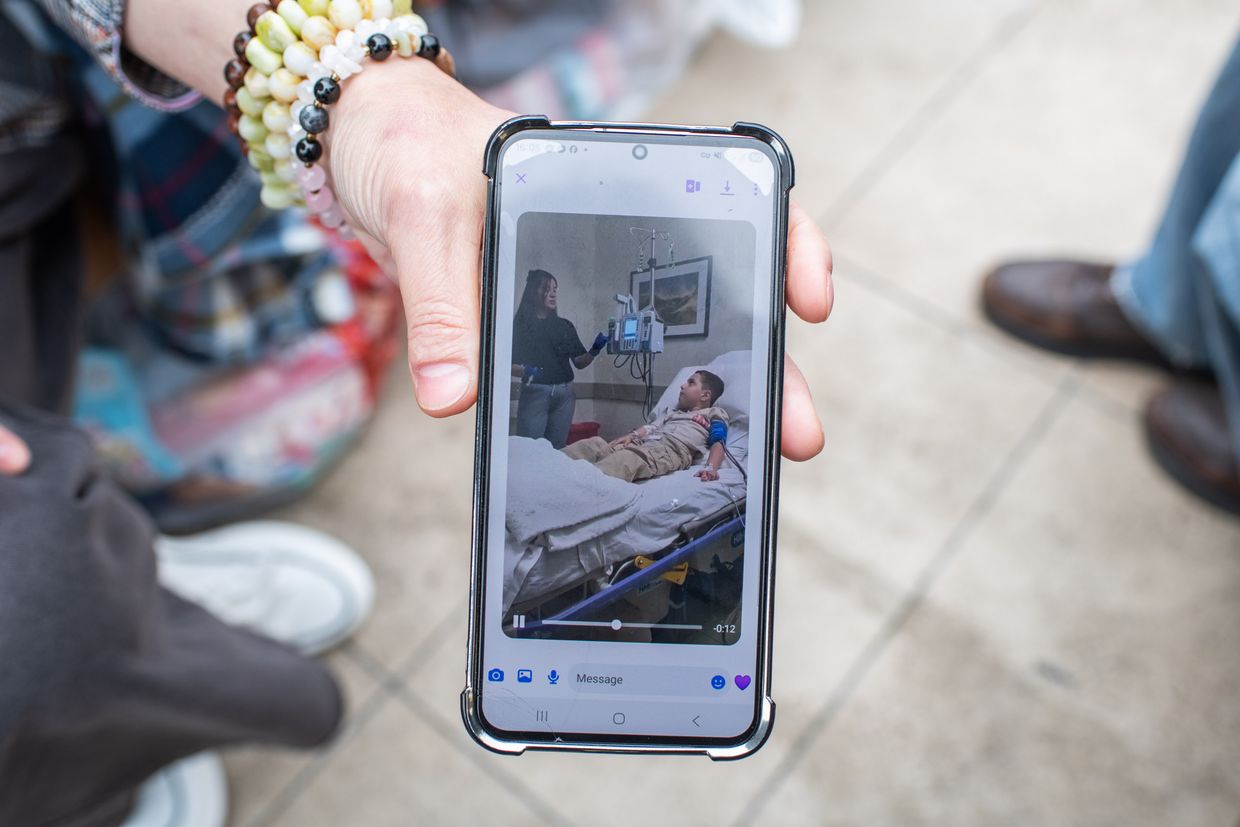
Toma’s case, along with other successful cases of Georgian children receiving treatment abroad, keeps parents’ hopes up that they can prolong the period when their child can still walk, as many complications develop once a patient becomes wheelchair-bound.
‘From the moment the child sits down, every day is crucial. Children need a pulmonologist, a cardiologist, an orthopedist, a dietitian’, says Nana Dabrundashvili, the mother of 13-year-old Nikoloz, who’s been in a wheelchair for the last three years.
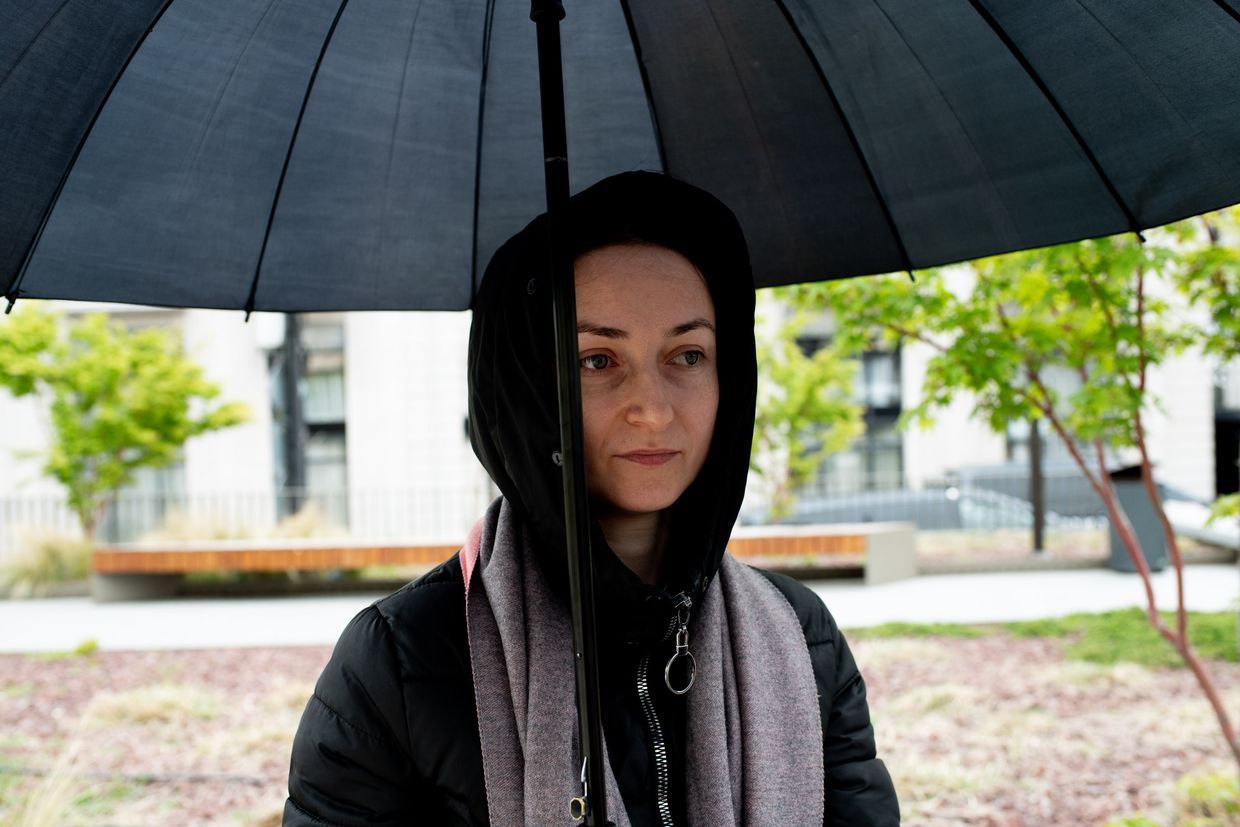
Nana is one of the parents who spent the night on a bench in front of the Government Office after police stopped the mothers from setting up bean bags to sleep on. Like many parents here, taking care of her child has become her full-time job — now, she is attending protests on top of that.
‘My son is old enough to be asking questions, and he is waiting for the medication. He is tired’, Nana says, hurrying to meet Nikoloz after a 17-hour shift in front of the Government Office, as a new set of parents comes for the night shift.
Registered drugs, unreachable treatments
The parents’ organisation Let’s Fight Together Against DMD has counted around 100 children with the disorder in Georgia. The organisation’s chair, Zakaria Gvishiani, told OC Media that the Health Minister, Mikheil Sarjveladze, has been practically brushing the parents off, slipping into vague promises and general language at each meeting. In one case, when the parents invited a pharmaceutical company representative to the talks, the ministry’s representative walked out of the meeting, Gvishiani says.
‘I am communicating with Biomedica and they told us that they could help the state purchase the medicine at a minimal price and pay in instalments’, he says.
Yet since the parents began to protest outside the Health Ministry on 30 November 2025, Sarjveladze has repeatedly accused drug manufacturers of following their own financial interests, insisting that the ministry ‘perceives the matter according to the patient’s interests’.
Sarjveladze has also frequently labelled the medications being asked for as ‘questionable’ in terms of efficacy and safety, finally offering a lengthy response in a 50-minute interview to the government-aligned TV channel Rustavi 2.
During the interview, Sarjveladze spoke about each therapy, relying heavily on more conservative evaluations of different treatments, mostly on their approval status in the EU. In the case of Elevidys, for which many parents have high hopes, he cited a 2025 conclusion by the European Medicines Agency (EMA) that the drug did not demonstrate ‘a significant influence on the patient’s ability to move after 12 months’. In early 2026, the manufacturer, Roche/Sarepta, published more promising data from a three-year study, which nonetheless remains to be peer-reviewed. Elevidys has been linked to liver complications — two drug-related deaths — which tipped the risk-benefit scales for some regulators. As of April 2026, the company has announced an additional study in response to EMA’s feedback, while nine countries continue providing Elevidys to patients.

Another group of medication that Sarjveladze quoted the EMA as rejecting was the exon-skipping medicines, which trick the body into working around a genetic fault and producing a reduced but functional version of the necessary protein. Specifically, Sarjveladze read a 2018-dated conclusion on eteplirsen, adding that no other exon-skipping drug has the agency’s approval. While factually true, exon-skipping medicines have been used by thousands of patients around the world as precision therapies targeting specific mutations. The very same drug that Sarjveladze quoted as having been rejected by the EMA was registered in Georgia in November 2024 under the brand name Exondys 51 — yet it has never reached patients. Two other exon-skipping medications, golodirsen and casimersen, are also registered on the Georgian market. Sarjveladze commented that while there might be sufficient basis for registration, the government may still have additional questions before providing the drug.
‘In general, any medicine undergoes clinical trials, and this does not mean that it is not available for sale, especially since this is a deadly disease we are talking about, one that can be postponed’, Gvishiani responds, himself the father of four-year-old Lazare, who has Duchenne’s.
During the Rustavi 2 interview, Sarjveladze also said that vamolorone, an alternative to the deflazacort that Georgia uses now, has ‘practically the same function’, adding that the discussion on differences between the two should be ‘continued in other circumstances’.
Vamorolone, approved by both the US and European regulators, has been supported by multiple clinical studies showing less impact on body mass and growth than deflazacort, although no direct head-to-head randomised trial between the two drugs has yet been conducted.
Finally, Sarjveladze focused on givinostat, which is often used successfully on top of other therapies, and which received a positive opinion from the EMA in 2025, recommending conditional marketing authorisation. This opened the doors for its use for patients aged six and older on top of steroids. Sarjveladze, however, said that givinostat is in the ‘beginning phase of the research’ and that ‘there is not enough evidence to make this decision’.
Of all the listed therapies, the currently used deflazocort is the cheapest, with a retail price in Georgia ranging from $0.40 to $1.38 per pill, while Elevidys is the most expensive, with a one-time dosage costing $3.2 million. Since the protest started, the government’s annual budget for treatment of rare diseases has increased from ₾70 million ($26 million) to ₾71.26 million ($26.4 million). The Duchenne’s muscular dystrophy patients were added to the list of ‘Treatment of patients with rare diseases’ list on 23 April.
Gvishiani admits that not all children might clinically qualify for Elevidys, and that although it would be an ideal solution for his son, any medication is sought and desired by parents. While Sarjveladze said that ‘politically and commercially biased subjects’ were ‘spreading misconceptions’, Gvishiani, in turn, asks Sarjveladze for an open discussion.
‘Politicisation of this topic is unacceptable, and to prevent the public from being misled, we propose a public debate on the public broadcaster with the Minister of Health.’
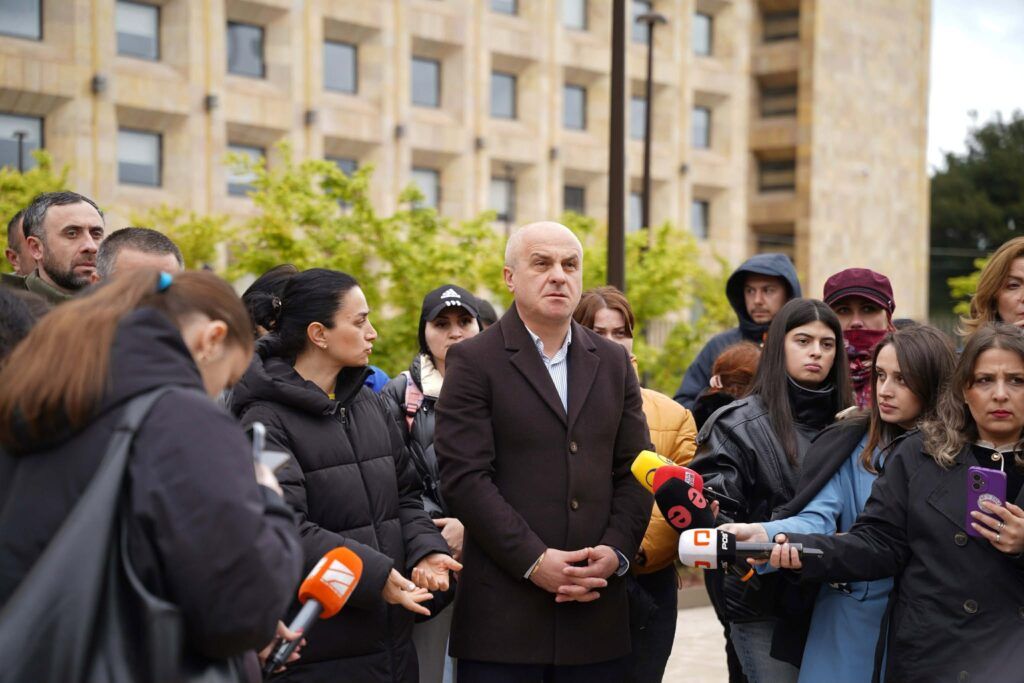
While his offer remains unanswered, on 22 April the Health Ministry added a bi-annual complex check-up to the treatments available, and posted about a meeting with clinical specialists that will provide services free of charge. Gvishiani is sceptical, since he and other parents have spent the last two years demanding this support.
‘Did it have to take mothers leaving their children and spending the night in the streets for this topic to become relevant?’, he asks.
‘He’s the strongest boy I know’
‘For our children, we become doctors, teachers, and personal assistants. No one knows what a parent is going through’, Esmira says, describing the daily toll her son’s condition takes on her.

The 40-year-old lives alone with her two children in a rented apartment, with her ex-husband supporting her financially. She does not work, and for years, hasn’t had any time to pursue any personal interests.
‘Sometimes, I am tired’, she says quietly towards the end of the conversation. ‘But I don’t show it to the children,’ she adds.
All of the parents who OC Media spoke to commented on being left to their own devices against the disease, with the majority of mothers becoming full-time caretakers.
While the Health Ministry has publicly announced increased support, the parents are continuing to protest for the medication they need and a specific timeline for when they will have access to a multidisciplinary professional team, as time is precious.

Teona Shatirishvili, Head of Pediatric Neurology at the M. Iashvili Children’s Central Hospital, where Rasul and most children with Duchenne’s go, emphasised to OC Media the importance of these check-ups, to identify any risks promptly.
‘In fact, such a standard of detection ensures the prolongation of life and a good quality of life. Time is a very big factor, because if the patient does not have a multidisciplinary team, the effect won’t be achieved with the drug alone’, she says.
She adds that such a team has been a long-time dream of the doctors treating rare neuromuscular diseases, and would significantly lighten the burden for parents if the check-ups were free.
‘Last month’s tests cost me ₾1,200 ($450)’, Esmira says, ‘and now I even need to get an MRI done at my own expense, as well as a bone ultrasound’.
Dr Shatirishvili highlighted timely medication as critical.
‘The earlier all of these medications are started, the better. If we want to accurately measure the clinical effect when muscle function is still maintained and dystrophy is still in its early stages, then these medications are more effective.’
Regarding the exon-skipping, gene therapy, and anti-inflammatory medications mentioned in this article, Dr Shatirishvili offered a hopeful note.
‘These drugs are recognised by many countries. Unfortunately, not all countries in the world use them, but there is definitely experience, there are some results, and they are successfully used in large countries. In general, now is a new era in medicine, these are innovative medicines, medicines made with new technology. This is a dynamic, continuous process, and step by step, everything will definitely be achieved’.
For Esmira, and other parents though, those steps will need to be quick. Watching Rasul play, she marvels at how he keeps his spirits high despite everything he goes through.
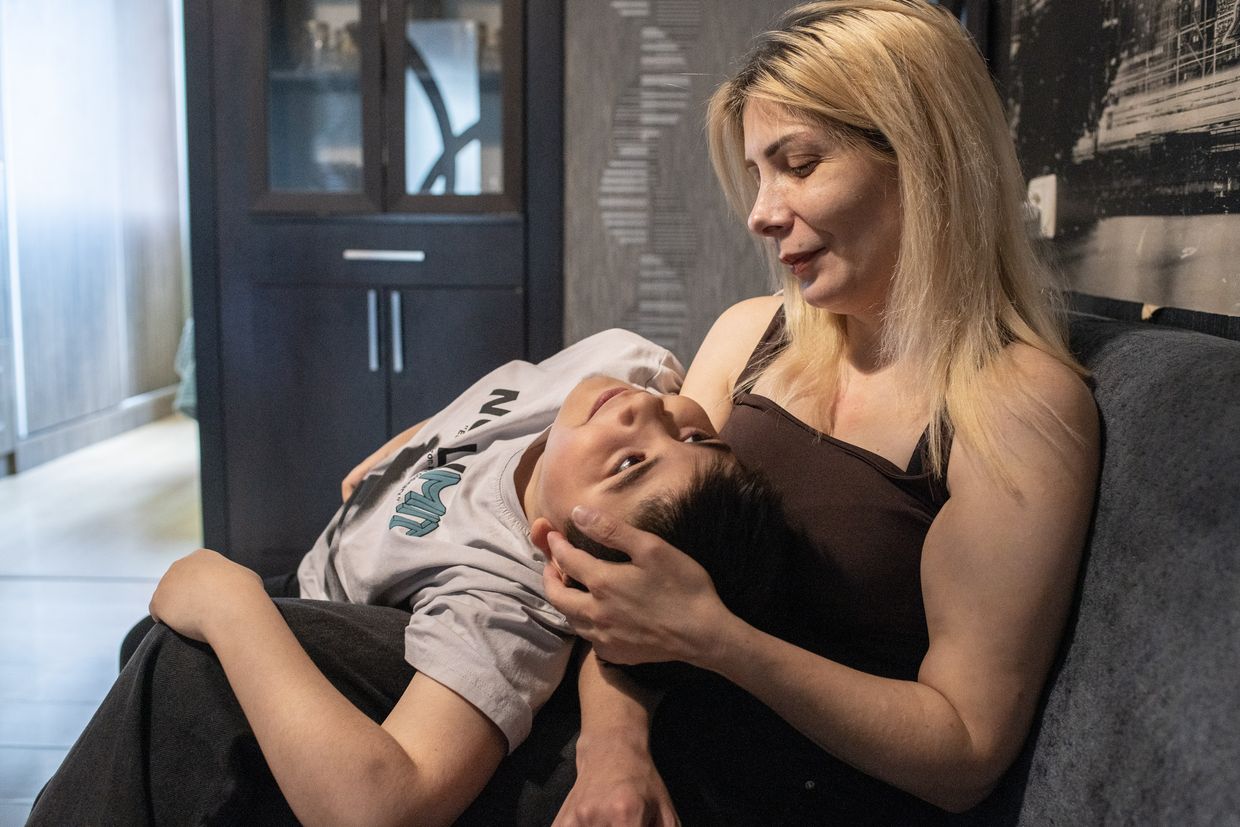
‘My son is the strongest boy I know. He loves life so much’, she says.
Esmira maintains the hope that the medicines will arrive before he sits down for good.
‘My worst fear is to wake up one day and discover he’s not walking’, she says.