Ingush imam rails on men wearing short-sleeved shirts and ‘insufficient control’ over women

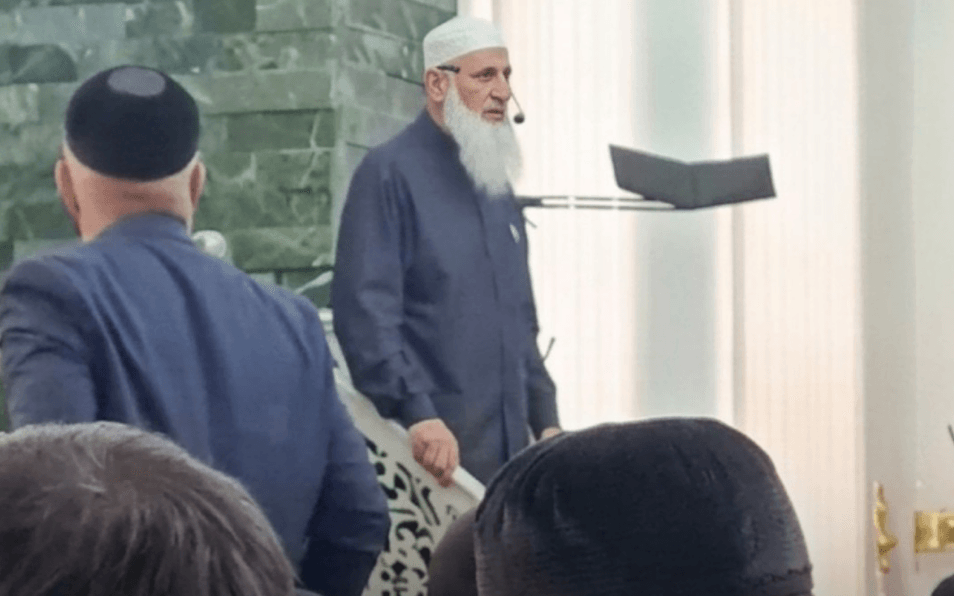
A prominent Ingush imam, Ahmed Ugurchiev, has criticised men for wearing ‘incorrect’ clothing — including short-sleeved shirts — and for not being strict enough towards women.
During the sermon, Ugurchiev said that modern men in the republic were moving away from traditional standards of appearance. According to him, men should not wear tight-fitting short-sleeved T-shirts.
‘Our men used to wear fur hats or skullcaps and long garments. But what has happened to us now? We wear these tight short-sleeved shirts. This is literally sleepwear. Do not corrupt our people. Are you not men? Wear long-sleeved shirts’, he said in Ingush, as independent Ingush media outlet Fortanga translated.
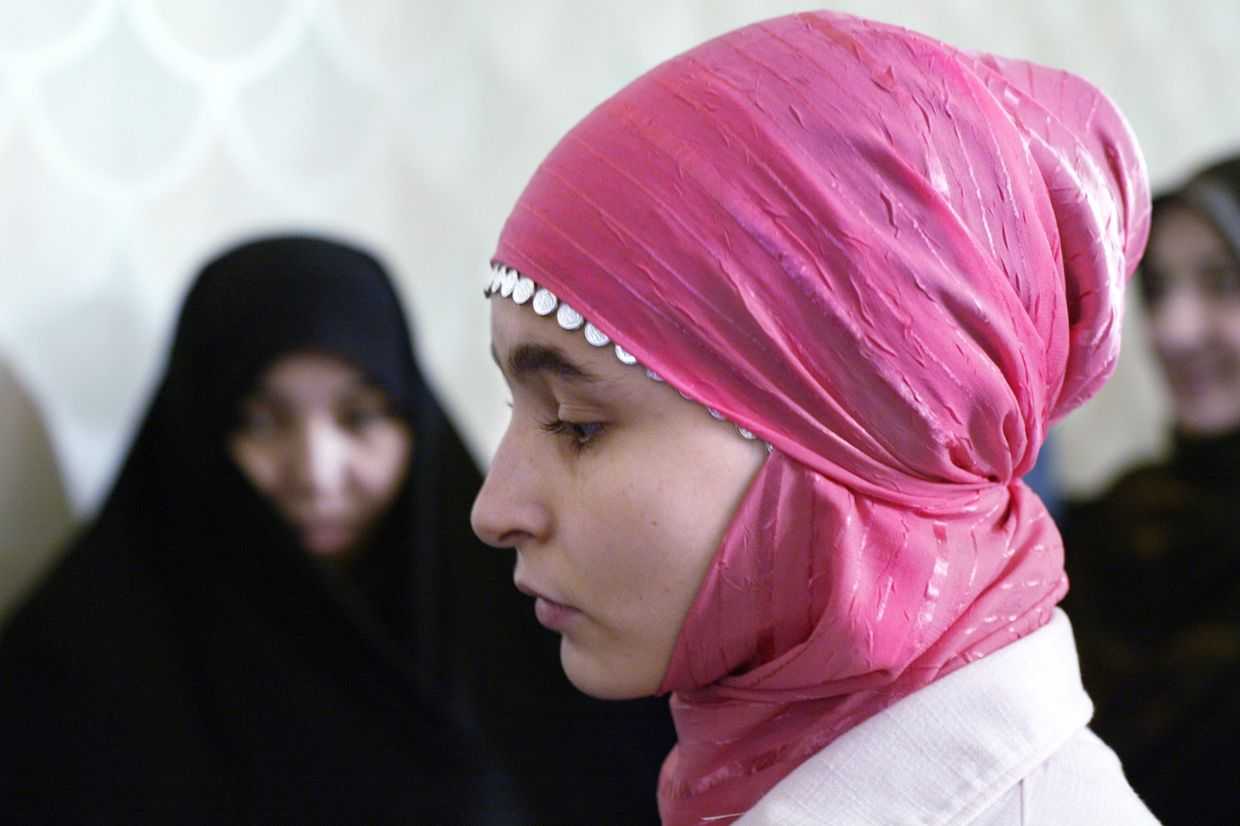
Ugurchiev separately addressed the issue of women’s appearance. He stated that men were obliged to monitor how their female relatives dress and should not allow women to walk without hijab or with their hair uncovered.
‘If you have honour and if you are men, pay attention to the fact that our women have begun exposing themselves. Spring and summer are coming soon. Do you know who these women are? They are your sisters. The women of your household’, he said.
Ingushetia is considered one of Russia’s most conservative and religious regions. According to census data and regional studies, the overwhelming majority of the republic’s residents identify as Muslim. Alcohol is sold only minimally in the region, while many public norms are regulated not only by legislation but also by religious views and adat — traditional customs.
In recent years, public debates have repeatedly arisen in Ingushetia over statements by religious figures concerning acceptable behaviour for men and women.
In early May 2026, a scandal erupted in the republic over a billboard in Nazran showing a woman in lingerie. After photographs of the advert appeared on social media, the Deputy Chair of the republic’s government, Magomed Evloev, demanded explanations from local officials, threatening them with dismissals. Representatives of the authorities then stated that such advertising ‘does not correspond to the traditions of Ingush society’.
In August 2025, a sermon by the imam of the central mosque in Malgobek, Ibrahim Batyrov, also caused widespread controversy. He criticised men who work as waiters and serve women in cafés and restaurants.
‘It would be one thing if all the customers were men, but there are women there as well. And who serves Ingush women? Ingush men! This is abnormal. This is dirty’, Batyrov said at the time.
 Elizaveta Chukharova
His opinion was later supported by the head of the Muslim community in Malgobek, Yakub Kurskiev, who said that women should not visit catering establishments at all because ‘they may exchange glances with a man and accidentally touch his hand’.
Later, Ingushetia’s Ministry of Justice took notice of these statements. As reported by Russian media outlet Regnum, the ministry identified signs of extremism in some of Batyrov’s remarks, stating that they could restrict women’s rights. According to the publication, the ministry issued warnings to the religious figures about the inadmissibility of violating legislation.
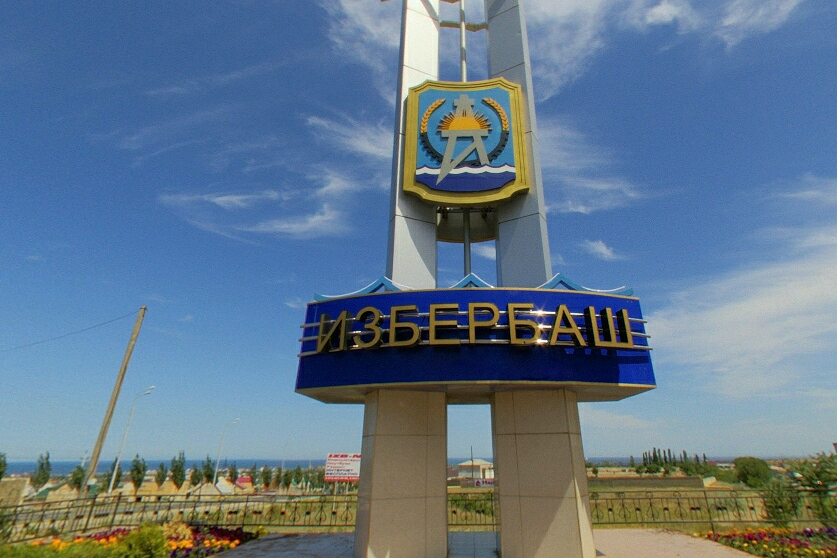
Earlier, in August 2025, a group of Ingush men travelled 300 kilometres to the coastal Daghestani town of Izberbash in order to ‘inspect’ beaches and cafés for Ingush women who were allegedly meeting men of other nationalities. According to the participants, they found no evidence supporting these rumours during the night, but stated that they would continue to ‘monitor’ the behaviour of Ingush women.
In 2024, Ingush theologian Adam Aushev said in a sermon that women who visit beauty salons ‘bring a curse’ not only upon themselves but also upon the men who allow them to go there. He called on women to refrain from using beauty industry services.
Elizaveta Chukharova