Ukrainian drones over Abkhazia raise uncomfortable questions for authorities
A mass drone incursion in March raised questions over the authorities’ ability to defend Abkhazia — and in its willingness to warn its own people.
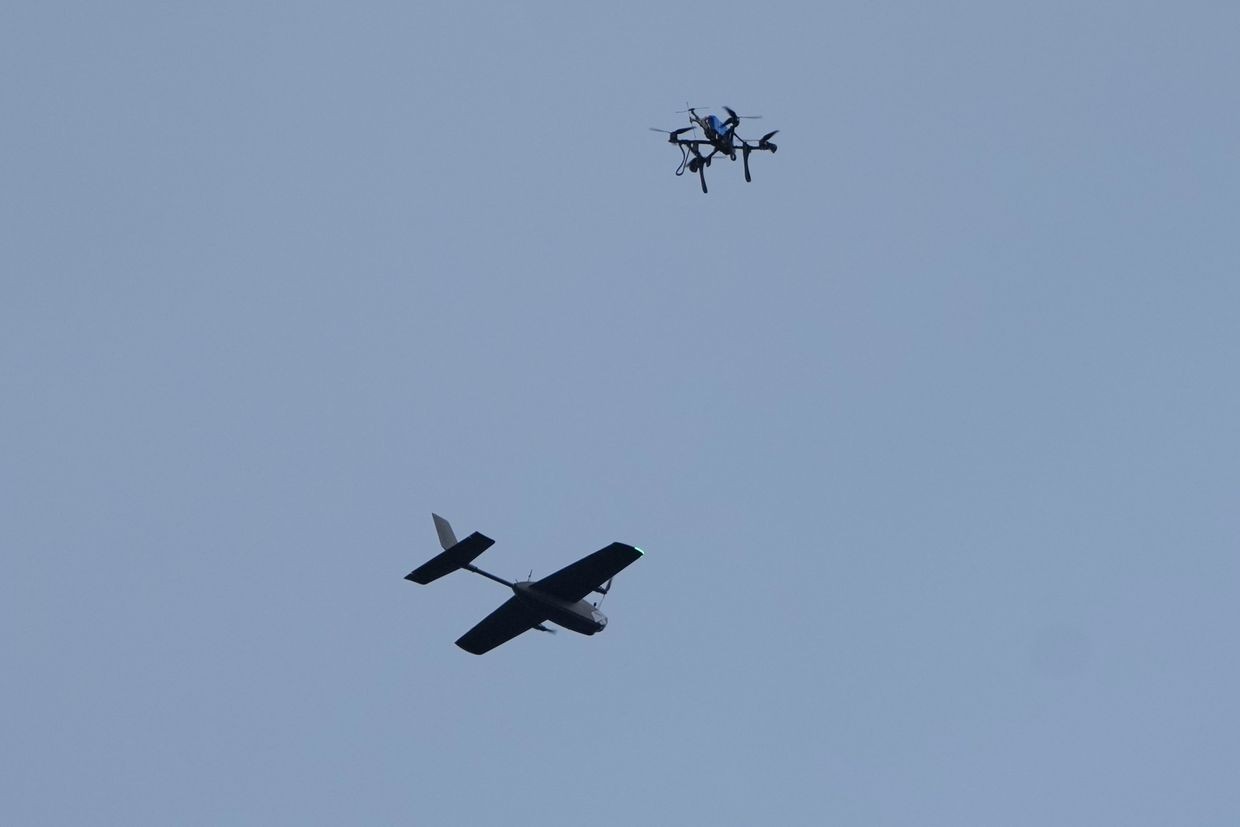
On 4 March, reports began to appear across social media and among independent media outlets of drone sightings across Abkhazia. This included residents of the village Pakuash (Pakveshi), who reported that a drone had crashed into the village damaging an electrical transformer, leaving half the village without power.
Later that evening, the Telegram channel Abkhaz Portal wrote that the Psou checkpoint with Russia had been temporarily closed due to a drone attack. Thirty minutes later, the channel claimed the checkpoint was operating normally, citing the head of the border guard service, Rustam Latipov.
After hours of sightings and speculation, the authorities finally acknowledged the incident.
‘The Ministry of Defence Press Service reports that air defence and electronic warfare forces on duty are preventing violations of the republic’s airspace by unidentified aerial vehicles (UAVs)’, they wrote in a statement. ‘We ask citizens to remain calm’.
The ministry urged the public to avoid approaching crash sites or fragments of drones, and to report any discoveries to the authorities immediately.
While the ministry did not specify where the drones had come from, for most there was little doubt they were Ukrainian — either flying towards targets across the border in Russia, or even targeting locations within Abkhazia itself.
Ukraine has previously stated openly that it considers Russian military sites in Abkhazia, such as the still-unfinished naval base in Ochamchire (Ochamchira), valid targets, while Abkhazia has supported Russia’s military efforts.
But the appearance of such a large number of drones in the skies of Abkhazia and the silence of the authorities on the issue sparked widespread public debate, with many criticising the government for not warning people of the danger in advance, or for failing to do more to counter the threat.
 Nate Ostiller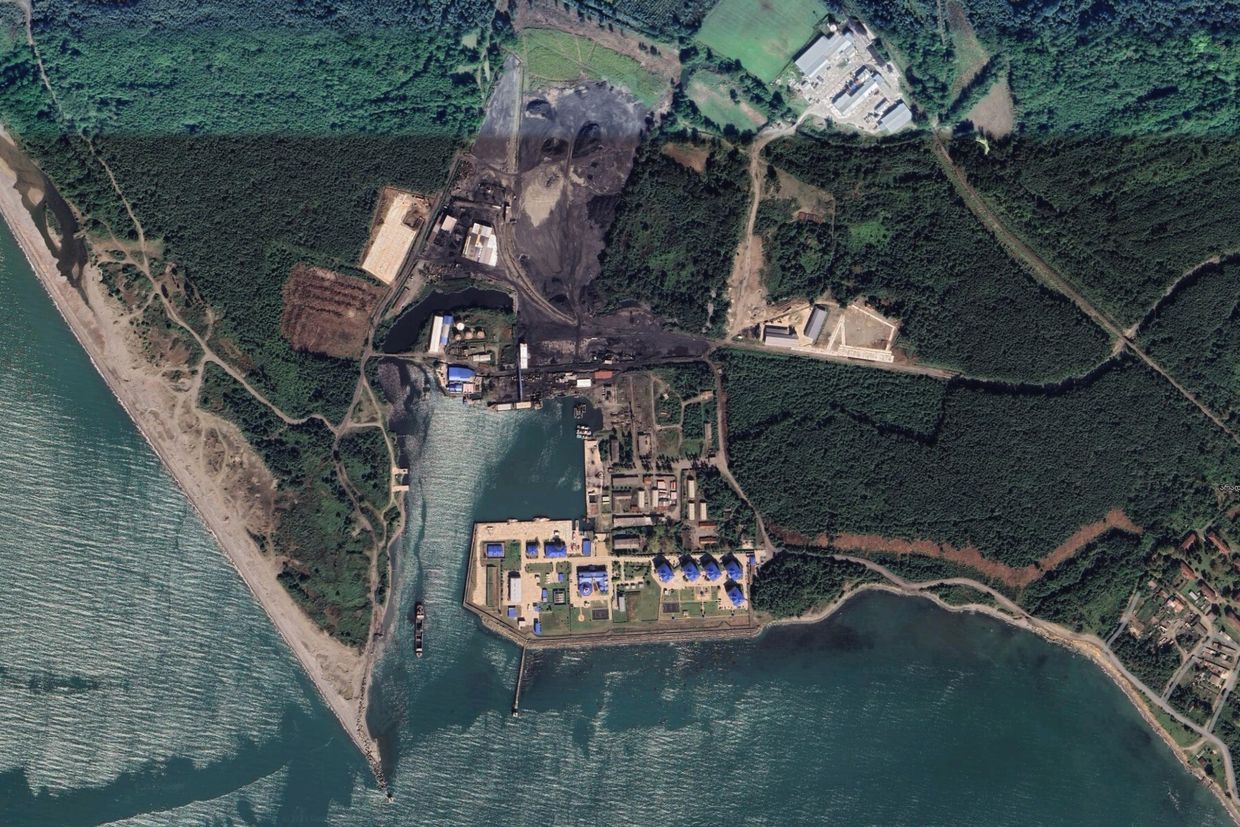
Damage control
In the aftermath of the incident, the government attempted to allay public fears.
On 5 March, the Defence Ministry held a press briefing confirming that up to 30 drones had entered Abkhazia the previous day — ‘an unprecedented mass use’ of drones. However, Air Force and Air Defence Commander Lieutenant General Adgur Gumba insisted that Abkhazia had not been directly targeted, suggesting the drones had been en route to Russia.
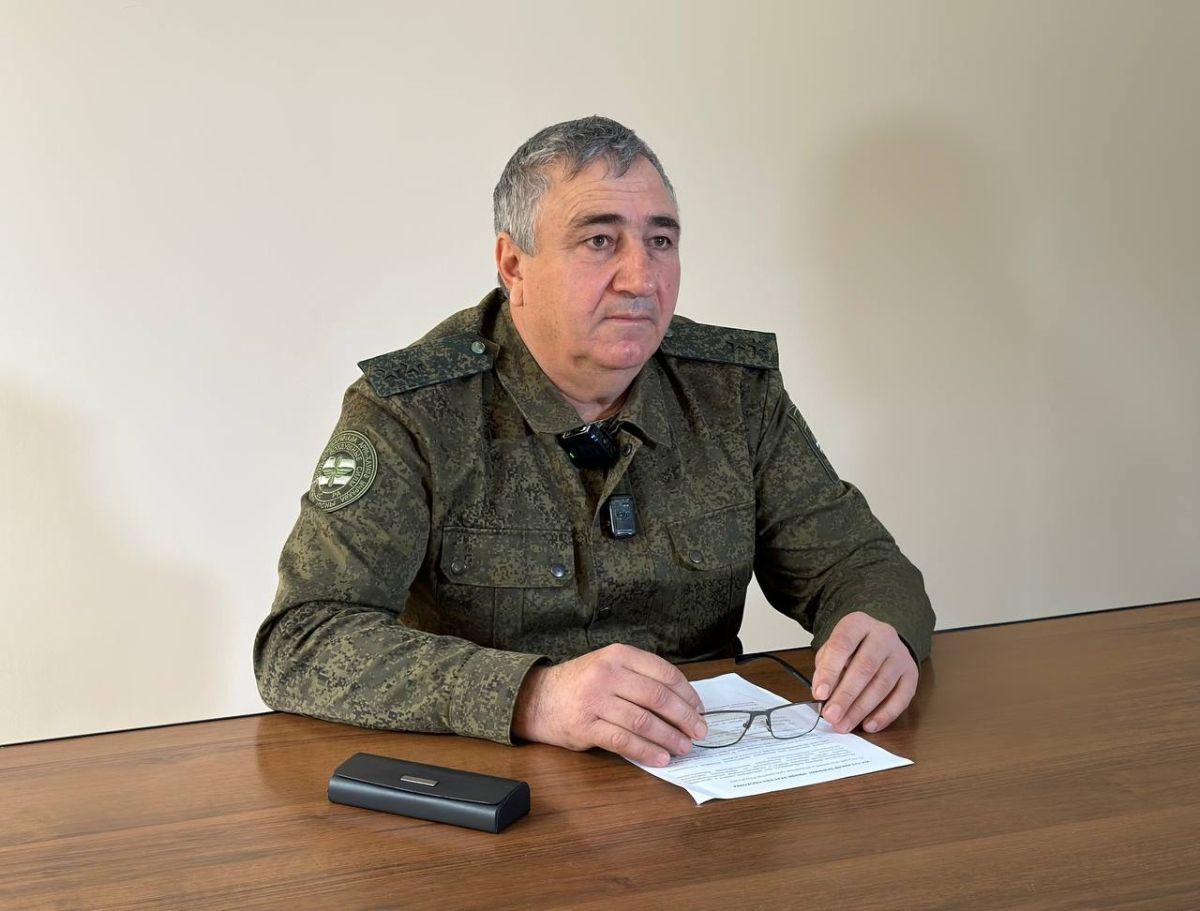
Addressing criticism surrounding the lack of transparency, Gumba said they had kept previous ‘isolated overflights’ by drones under wraps ‘to avoid creating panic’.
‘Today, when drone crashes have been recorded in many populated areas, there’s nothing to hide: the Abkhazian and Russian air defences are working together’, he said.
He added that airspace protection efforts were being conducted around the clock in coordination with the Russian Armed Forces, claiming that of the approximately 30 drones detected, 99% were destroyed.
‘Targets are either physically destroyed — by missiles and shells — or disabled by electronic warfare. In the latter case, the drone becomes uncontrollable. Our units try to adjust their fire so that a downed drone doesn’t glide toward residential areas’, Gumba said.
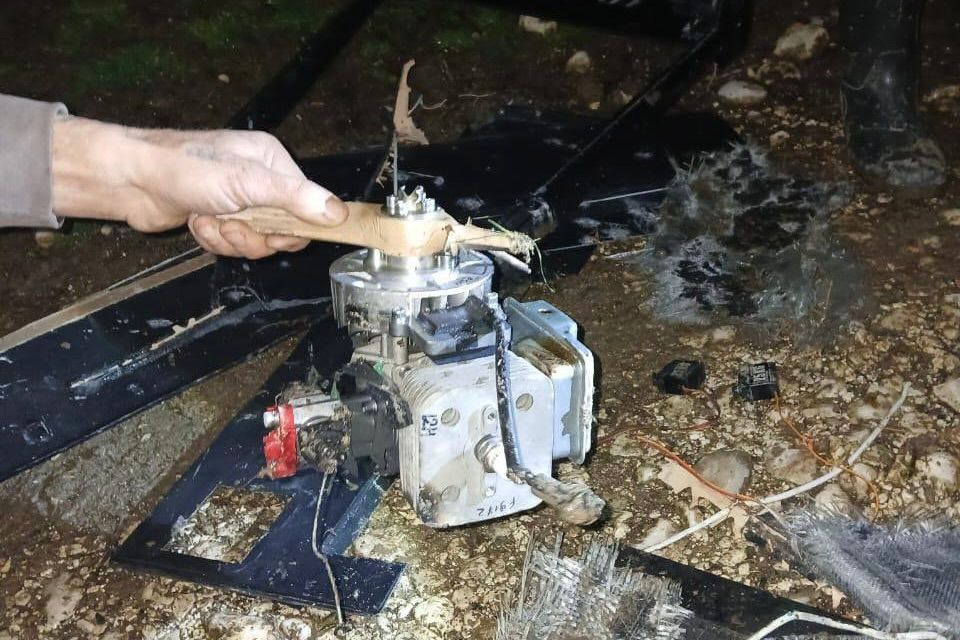
Fragments of downed drones were later found in 11 populated areas, with Gumba stating that one had damaged a high-voltage power line, though power was ‘quickly restored’.
He also warned Abkhazians that it was strictly forbidden to approach downed drones or their wreckage from a distance closer than 25–30 metres as they could be armed with explosives that could detonate if someone attempted to move the fragments.
Later that day, President Badra Gunba held a meeting of the Security Council.
According to Security Council Secretary Raul Lolua, the heads of all of Abkhazia’s security agencies participated in the meeting, during which it was determined that 14 of the approximately 30 drones had reached land while the rest were ‘neutralised and fell into the sea’.
‘All services must work in a coordinated manner to effectively respond to such threats’, Lolua told reporters, adding that the origin of the drones had not yet been determined.
‘It is important for the population to know: the drones did not strike the republic’s territory and, according to preliminary data, were neutralised by electronic warfare systems’, he added.
‘Many countries have recently been faced with drone attacks, and Abkhazia is no exception’, Lolua concluded. ‘Our task is to minimise such threats. All our services, especially the Ministry of Defence, are fulfilling their assigned tasks.’
On 6 March, South Ossetian President Alan Gagloev called Gunba to express his support, noting that South Ossetia was closely monitoring the situation.
OC Media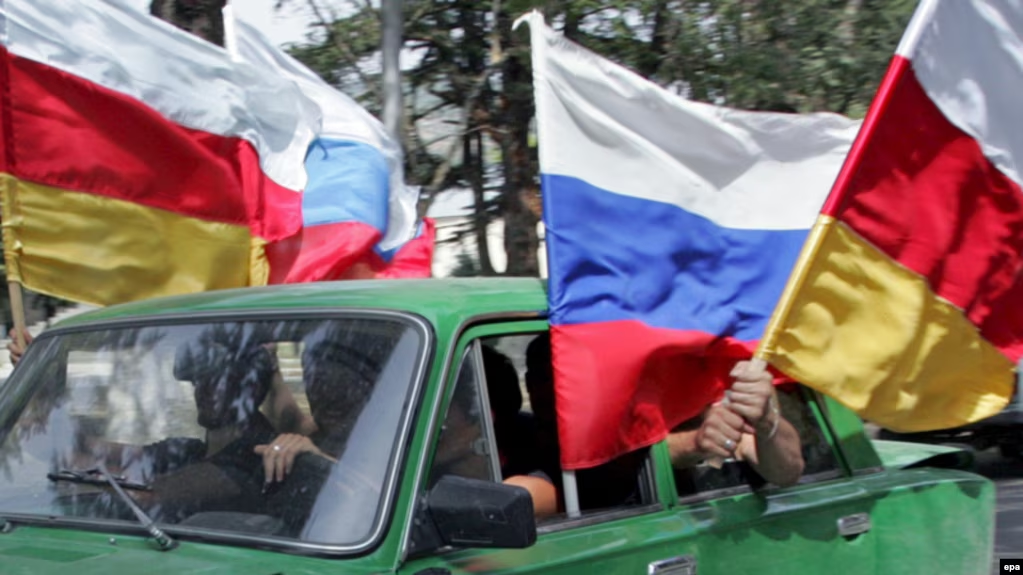
‘Drones have been flying all day, and we’re only learning about it now’
The drone alert caused widespread public debate within Abkhazia, including criticism over the delays between when drone sightings were first reported and official statements by the authorities.
‘In other words, enemy UAVs have been flying all day, and we’re only just learning about it now’, Abkhaz Portal wrote following the Defence Ministry’s first statement on the night of 4 March.
Similarly, the Abkhazia-Centre Telegram channel noted that the UAV threat had already been announced over the border in Russia in the nearby city of Sochi, leading to the airport there being closed and traffic across the border ceasing.
‘The alarm in Sochi was repeated several times that evening. Then, a report came from the Ochamchira district [of Abkhazia] that a UAV had crashed in the village of Pokuash. Photos were attached’, the channel wrote, questioning why no official information had been shared in Abkhazia by this point.
‘It seems to be the usual routine of war. But there is a circumstance that could completely change the picture’, the channel claimed, noting that the drone had reportedly crashed into a transformer leaving the village without power.
‘If this did occur, it was not a random fall of debris, but a precise strike’, the channel speculated, adding that the drones could have been testing Abkhazia’s ability to respond to an attack.
‘In that case, more powerful attacks will follow, targeting Russian military and border guard deployments’, the channel suggested.
Temur Guliya, the head of the influential veterans’ organisation, Aruaa, also criticised the silence from the authorities.
‘Several explosions were heard in the air, and our citizens discovered drone crash sites in various villages across Abkhazia, both in the east and west’, Guliya said. ‘Our citizens recorded the crash sites and debris on their phone cameras. During such a massive attack by combat drones, air raid warning systems should be in place, but they weren’t.’
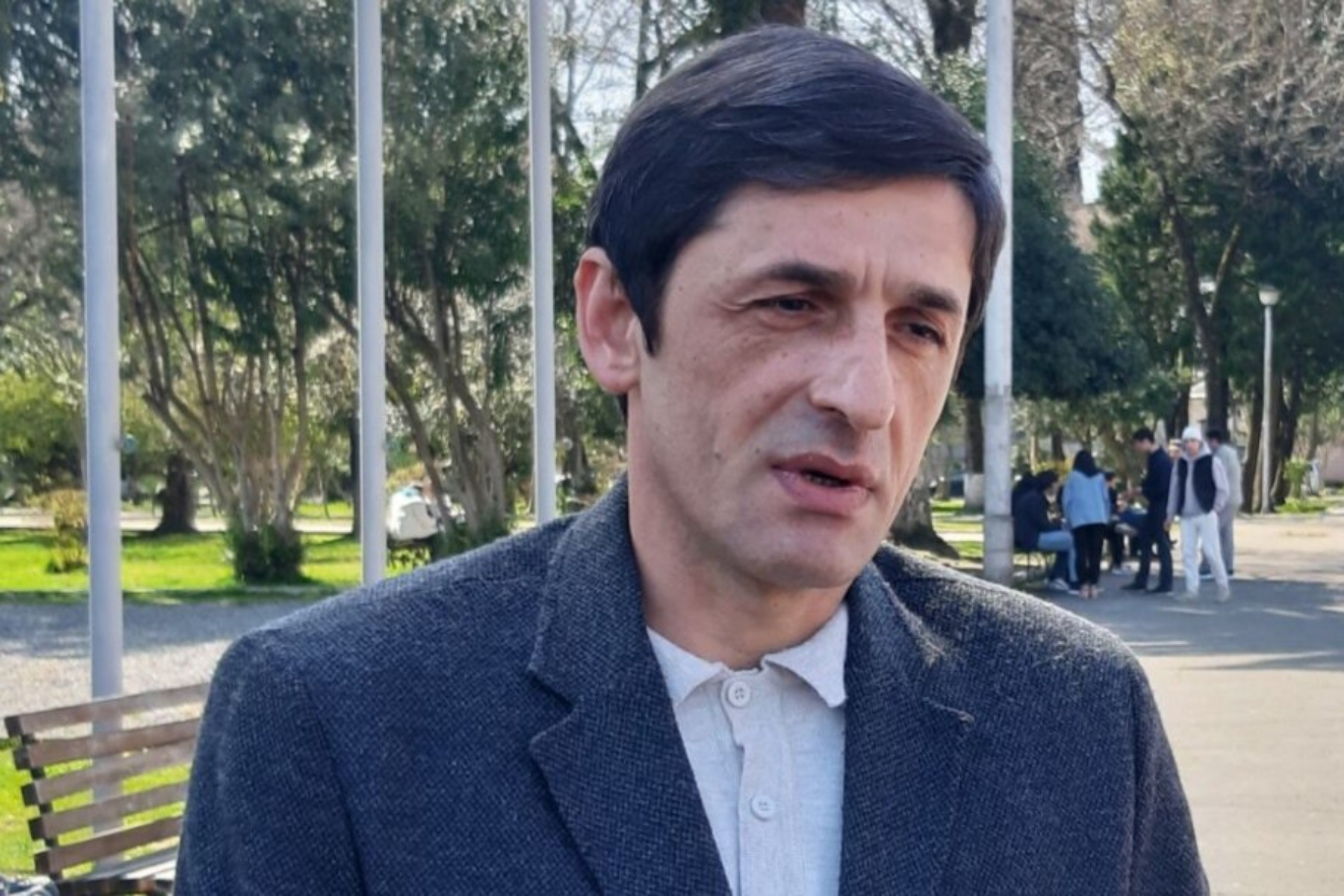
He added that he categorically disagreed with the Defence Ministry’s earlier decisions to avoid reporting smaller overflights by drones in order to ‘avoid panic’, insisting the ministry was obliged to notify the public in order to protect them.
‘We have spoken out repeatedly about military doctrine and the need to create a separate unmanned branch of the armed forces, our own air defence, radar, and electronic warfare systems, and the need to establish a citizen notification system in every populated area of the country’, Guliya said. ‘But we have only heard criticism from pro-government politicians, and we have been told that in the event of war, Russia will protect us. But we must remember that Russia today is effectively confronting the collective West.’
‘We need to utilise our potential; we have the specialists and the funding. Simply cutting [wasteful] ministry expenditures will significantly improve our armed forces’, he suggested.
The opposition Telegram channel RESPUBLICA similarly criticised the Defence Ministry for a lack of reforms.
‘Drones fly unhindered across the country and crash in our districts. The public learns about this after the fact, from scraps of information and rumours’, the channel wrote on 5 March. ‘It’s simple; if the defence system doesn’t respond to new threats, it’s either unprepared or not properly managed.’
‘Drones, precision weapons, electronic reconnaissance — these are no longer the technologies of the future, but the reality of today. Therefore, the main question remains open: how many more signals must be heard for real changes to begin in the country’s defence system, rather than just talk about them?’, they concluded.
Nate Ostiller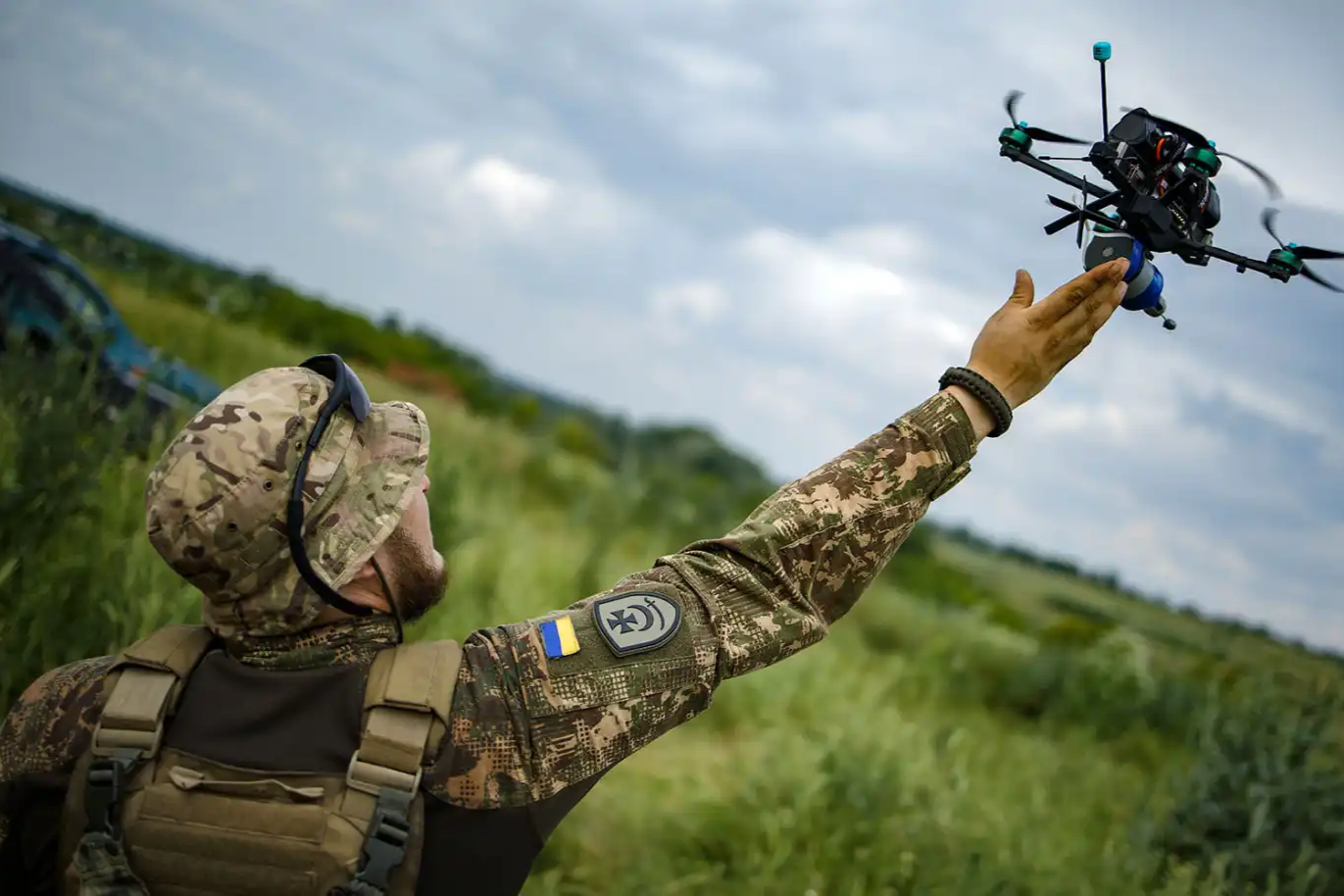
Others criticised the Foreign Ministry — for failing to respond at all to the drones.
‘In case anyone has forgotten, the Polish authorities expressed outrage at Russia for just one drone, while we have over 30’, economist Akhra Aristava wrote on Facebook. ‘It was God who intervened, and no one was hurt. Why wait for another raid?’, he said.
‘This is not the first time the Ukrainian military has sent combat drones through Abkhazia to strike Sochi and Adler. An official protest is necessary for the international community to condemn the actions of the Ukrainian military. We had enough of the Georgian air and heavy artillery bombings of 1992–1993 for a hundred years, and we certainly don’t need Ukrainian drones here’, he concluded.
Weeks later, President Gunba again addressed the criticism, in an interview with the Khara media project.

Electronic interception systems made it possible to respond to the drone attack threat on 4 March, Gunba claimed.
‘This became possible thanks to the new capabilities of both the Abkhazian Armed Forces and through military cooperation with Russia.’
He insisted that airspace security was a top priority for Abkhazia, but warned that the complexity of modern security challenges meant that even significant investments do not always guarantee adequate protection.
‘We will continue to improve Abkhazia’s security systems’, including in the air, in collaboration with Russia, he concluded.
On 19 March, another drone alert was declared by the Defence Ministry.
For ease of reading, we choose not to use qualifiers such as ‘de facto’, ‘unrecognised’, or ‘partially recognised’ when discussing institutions or political positions within Abkhazia, Nagorno-Karabakh, and South Ossetia. This does not imply a position on their status.