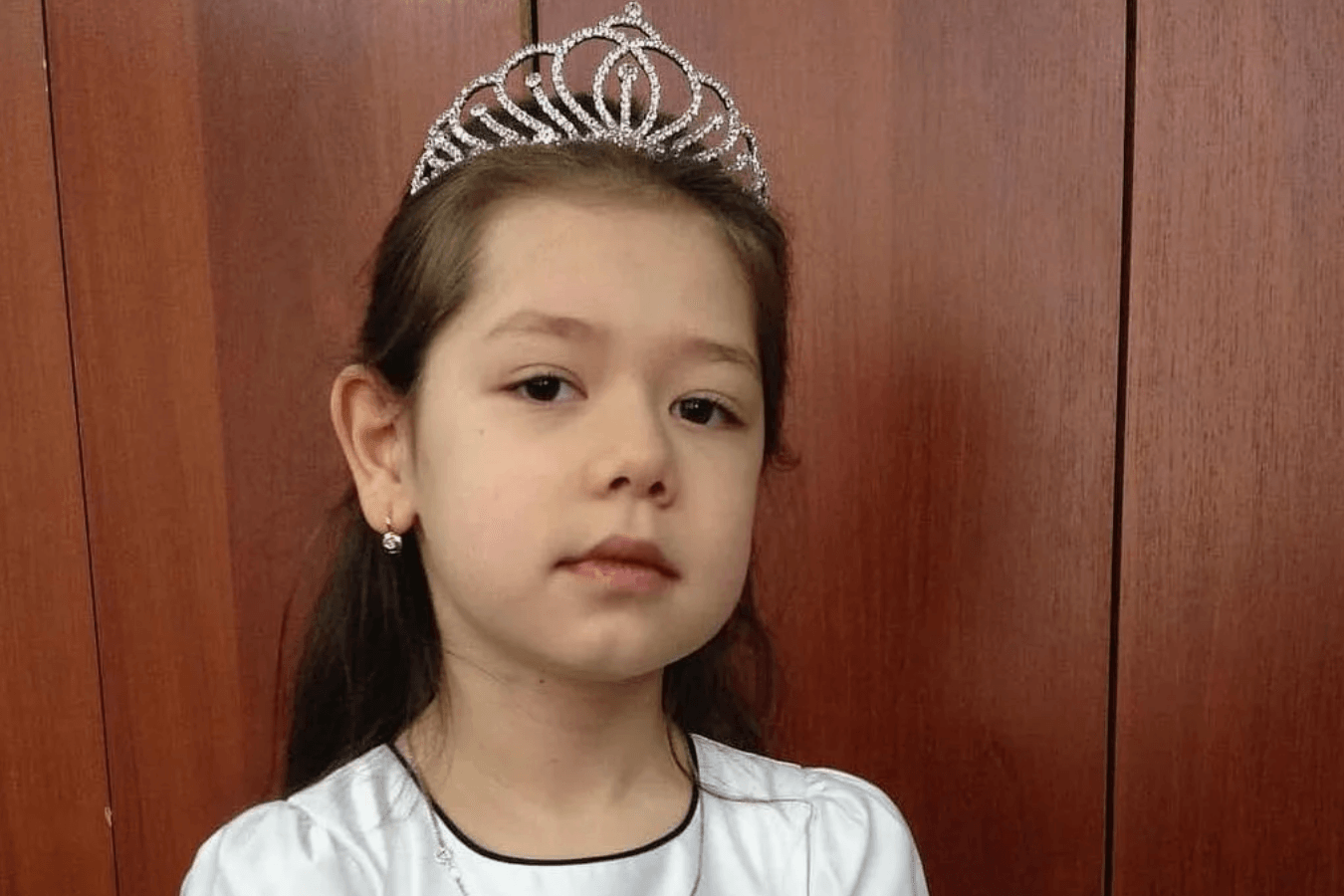
Daghestan’s Supreme Court has sentenced 42-year-old Magomed Mirzalibagandov to life imprisonment for the abduction and murder of eight-year-old Kalimat Omarova in Kaspiysk in 2018. The man’s accomplice Zaira Alieva, a woman acquainted with Omarova’s family, was sentenced to 12 years in prison.
Omarova disappeared in July 2018. According to the investigation, she left home at her mother’s request to buy bread from a shop located next to the entrance of her building. Her father managed to call her shortly afterwards. He later said that Omarova’s voice sounded very unusual, but at the time did not think that she was in danger — he asked her to buy sour cream and some other groceries. When he called again 10 minutes later, her phone was switched off.
According to the court and the investigation, two people were involved in the abduction — Mirzalibagandov, who suffers from epilepsy and had only completed two years of schooling, and Alieva, an acquaintance of the family.
According to investigators, Alieva proposed abducting the child for ransom. They knew that the Omarovs were not wealthy, but that their relatives were relatively well-off and held senior positions in the Stavropol region.
Mirzalibagandov agreed and took Omarova to a rented flat, where he held her captive. The flat was located in the same building as the shop she had been sent to by her parents.
On the fourth day after her abduction, the Omarovs found a note demanding a ₽2 million ($26,000) for information about Omarova’s whereabouts. The note contained numerous spelling errors, and at the end, the author wrote that the child was ‘crying and had become tiresome’. Investigators at the time had three theories: that Omarova had gotten lost, that she had been abducted for ransom, or that she had become a victim of sexual violence.
The investigation established that during her captivity, Mirzalibagandov repeatedly raped the girl after which he killed her in order to conceal his crimes. After he did so, he placed her body in a bag and left it in a drainage ditch 300 metres from the house.
Thousands of volunteers searched for Omarova, combing the city of Kaspiysk, abandoned construction sites, fields, and forest belts. Volunteers from Moscow travelled to Daghestan, and Chechen Head Ramzan Kadyrov also attempted to assist in the search.
Omarova’s body was discovered 42 days later when some boys went looking for their missing football, only to find a grey bag with a child’s leg protruding from it.
Her parents were unable to identify her due to the body’s advanced decomposition. For more than a month, they categorically denied that the remains could belong to their daughter. She was only identified following a DNA test, and was found to have been killed from a blow to the head.
Initially, the investigation did not lead to the identification of those responsible. Mirzalibagandov was detained in connection with another episode — extorting money from the family under the pretext of providing information about Omarova’s whereabouts — but at the time, his involvement in the murder could not be proven. He was sentenced to two years’ imprisonment and was released early.
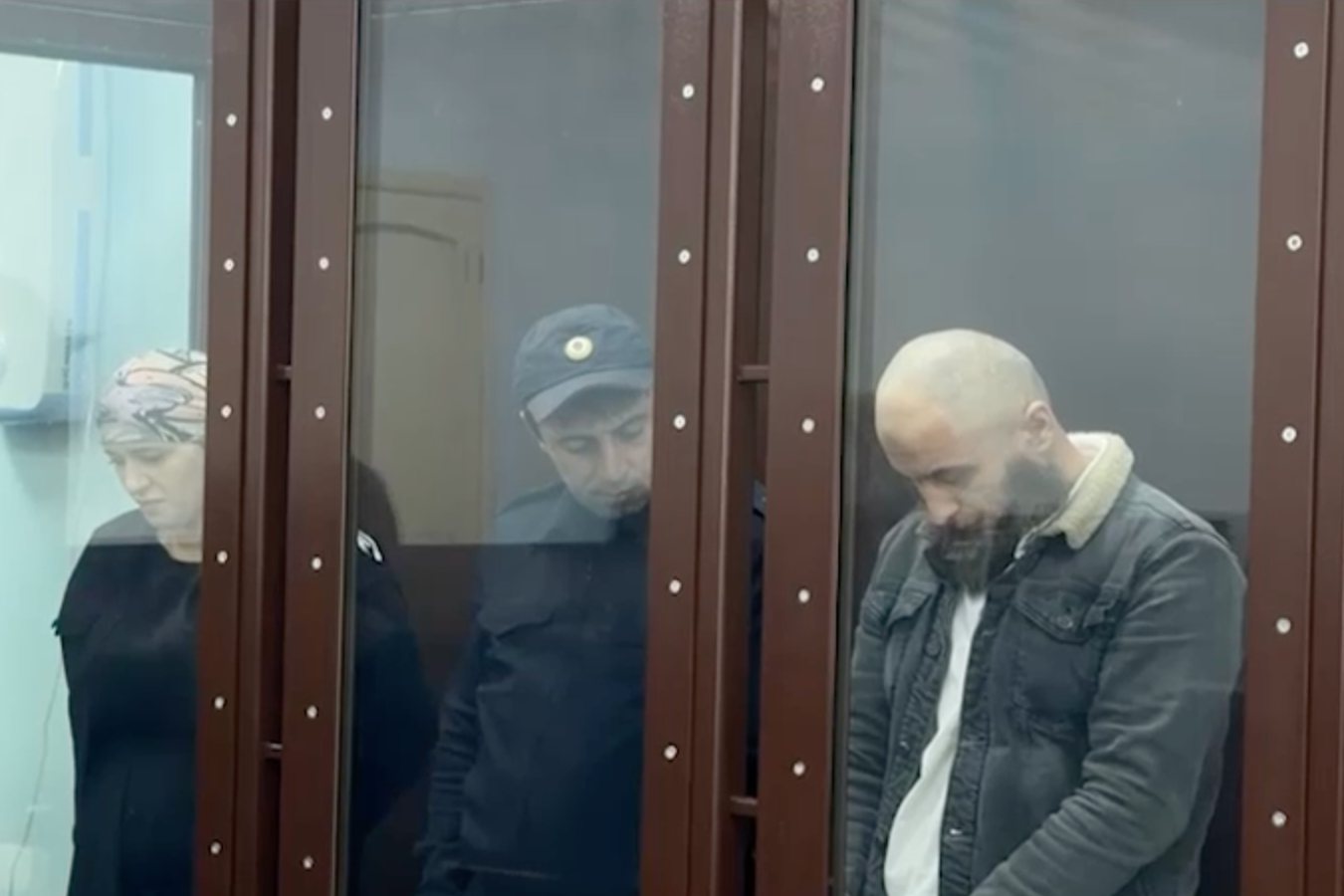
A turning point in the investigation came later, after additional examinations were carried out. According to the Investigative Committee, molecular genetic analysis revealed a match of biological traces, after which Mirzalibagandov confessed and described the circumstances of the crime in detail.
The court found Mirzalibagandov guilty under several articles of the Russian Criminal Code, including the abduction of a minor, rape, violent sexual acts, and murder.