Report finds Georgian Dream’s 2025 income, including donations, far outstrip all other parties combined

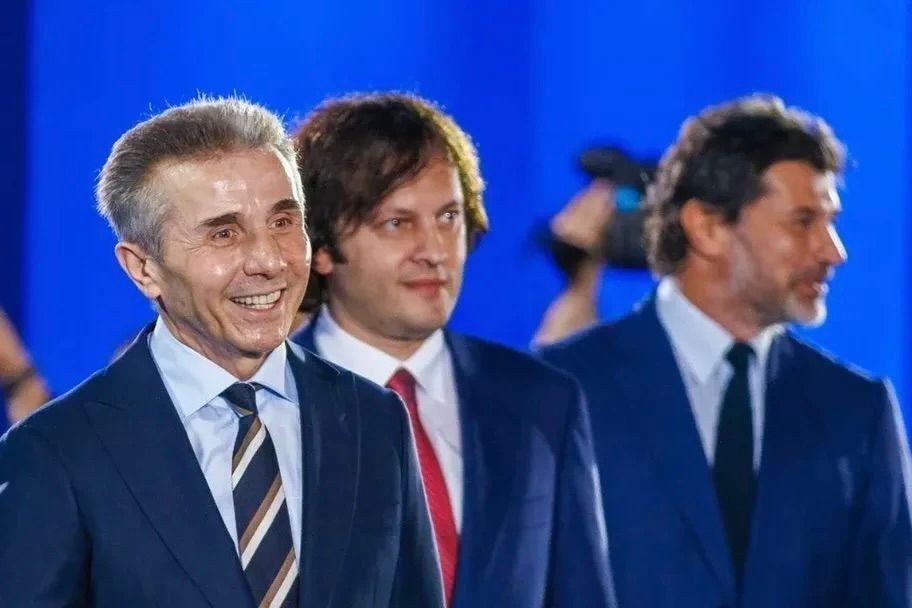
The Georgian election watchdog International Society for Fair Elections and Democracy (ISFED) said that in 2025, the ruling Georgian Dream party received more income than all other parties combined. According to a report published on Monday, the total income of all political parties in 2025 amounted to approximately ₾49 million ($18.3 million), with Georgian Dream receiving more than half of the total.
Amid what ISFED described as ‘unequal access to political finance’, the ruling party received a total of ₾26.5 million ($9.9 million) in 2025. All other parties combined received ₾22.5 million ($8.4 million).
Georgian Dream was followed by the formerly ruling United National Movement party (UNM) with ₾9.4 million ($3.5 million), and Lelo with nearly ₾8 million ($2.9 million). The Republican Party of Georgia received around ₾1.5 million ($560,000), For Georgia slightly over ₾1 million ($374,000), while all other parties received less than ₾1 million each.
The Coalition for Change, which came second to Georgian Dream in the disputed 2024 parliamentary elections, received approximately ₾187,000 ($70,000).
 Mikheil Gvadzabia
Describing the limited financial capacity of opposition parties, ISFED noted that the income of some opposition groups depended heavily on one-off transactions. For example, UNM, the second-largest party by income, obtained 95% of its revenues from the sale of property, including an office. Similarly, the entire 2025 income of the Republican Party was generated through the sale of an office space.
As in previous years, donations remained the main source of income, accounting for 55% — ₾27 million (about $10 million) of the total.
More than 2/3rds of of all donations, some 67%, went to the ruling party, which received ₾18 million ($6.7 million) from individuals last year. As in previous years, Georgian Dream donors in 2025 included those businesspersons who had likewise donated to the UNM when it was in power. The second-largest recipient of donations was Lelo, with ₾7.7 million ($2.9 million).
As for state budget funding, it made up 18% of party income, while other sources of income accounted for 27%.
Anna Gvarishvili
Under Georgian legislation, a party is eligible for state budget funding if it receives at least 1% of valid votes in the most recent parliamentary elections.
As a result of the 2024 parliamentary elections, seven parties initially qualified for public funding. However, Coalition for Change, Unm, and Lelo lost their eligibility due to their boycott of parliament following disputed election results. For Georgia, which temporarily joined the boycott before reversing its decision and ending it, had its funding suspended for six months.
‘As a result, the report notes, the number of parties receiving state funding significantly decreased over the course of the year’.
The report was based on information submitted by political parties to the Anti-Corruption Bureau regarding their annual income and expenditures for 2025. According to ISFED, a total of 44 political parties submitted such reports, but only 25 of them recorded any financial turnover.