Georgia condemns Danish police brutality, despite years of own history of police violence

Georgia has ‘expressed concern’ over the Danish police’s dispersal of a small pro-Palestinian demonstration in Copenhagen and called on the EU to respond. Meanwhile, Georgian authorities have been regularly criticised by the EU and its member states for their use of force in dispersing and harassing protesters and critics.
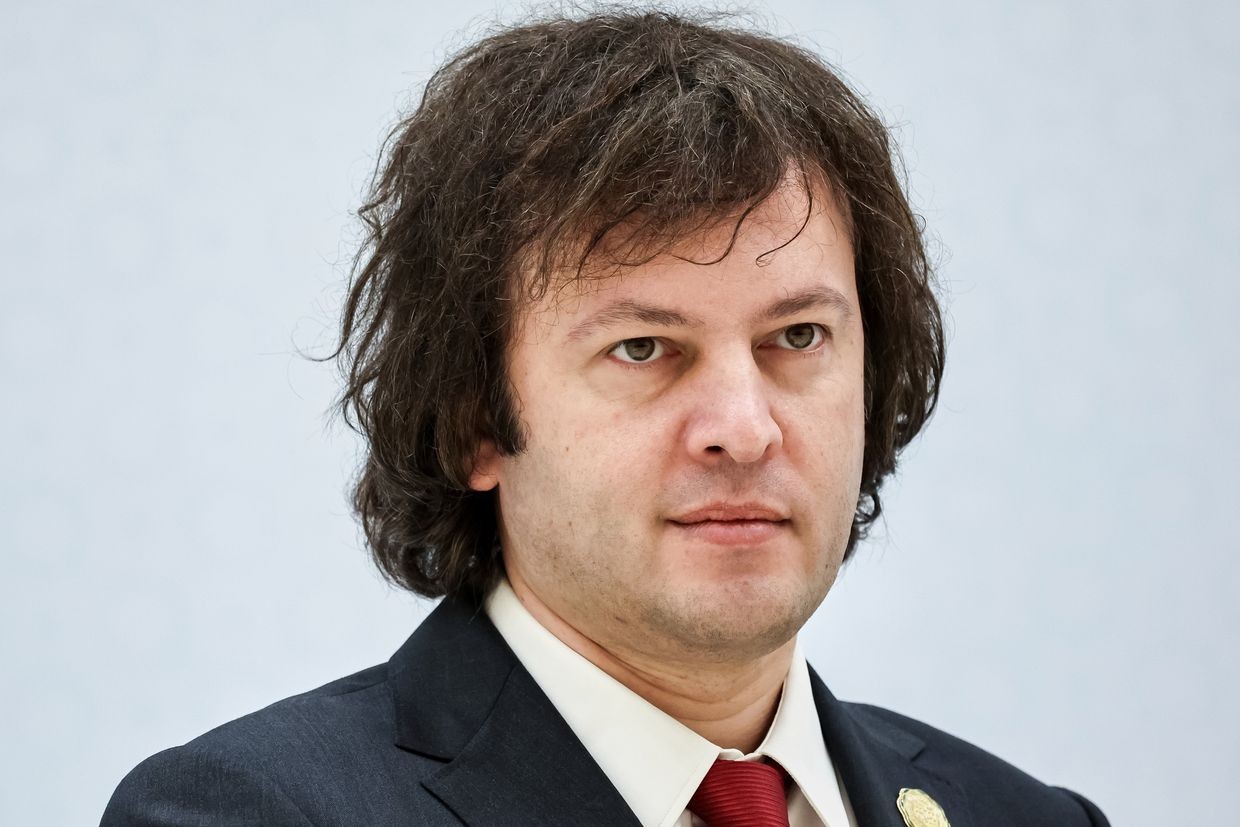
The condemnation came as part of an open letter by Prime Minister Irakli Kobakhidze on Tuesday, addressed to EU Commission President Ursula von der Leyen, EU Council President António Costa, EU Parliament President Roberta Metsola.
According to Kobakhidze, Georgia, ‘as part of European civilisation and a candidate country for EU membership’, has questions regarding the ‘alarming events that unfolded in the heart of Europe, in the Danish capital of Copenhagen’, which, he said, ‘have nothing to do either with Europe or with European values’.
Kobakhidze noted that while Europe had for years been regarded as a benchmark for democracy and human rights, ‘today, the opposite trend is becoming increasingly evident’.
‘For Georgia, as for any country committed to democratic values, both the violence we witnessed in Copenhagen and the fact that the EU no longer upholds the fundamental principles upon which it was founded are categorically unacceptable’, Kobakhidze added.
He also questioned where Europe was headed amid what he described as ‘democratic backsliding and economic stagnation’, as well as a ‘migration crisis’ and the ‘weakening of national and sexual identities’.
 Mariam Bogveradze
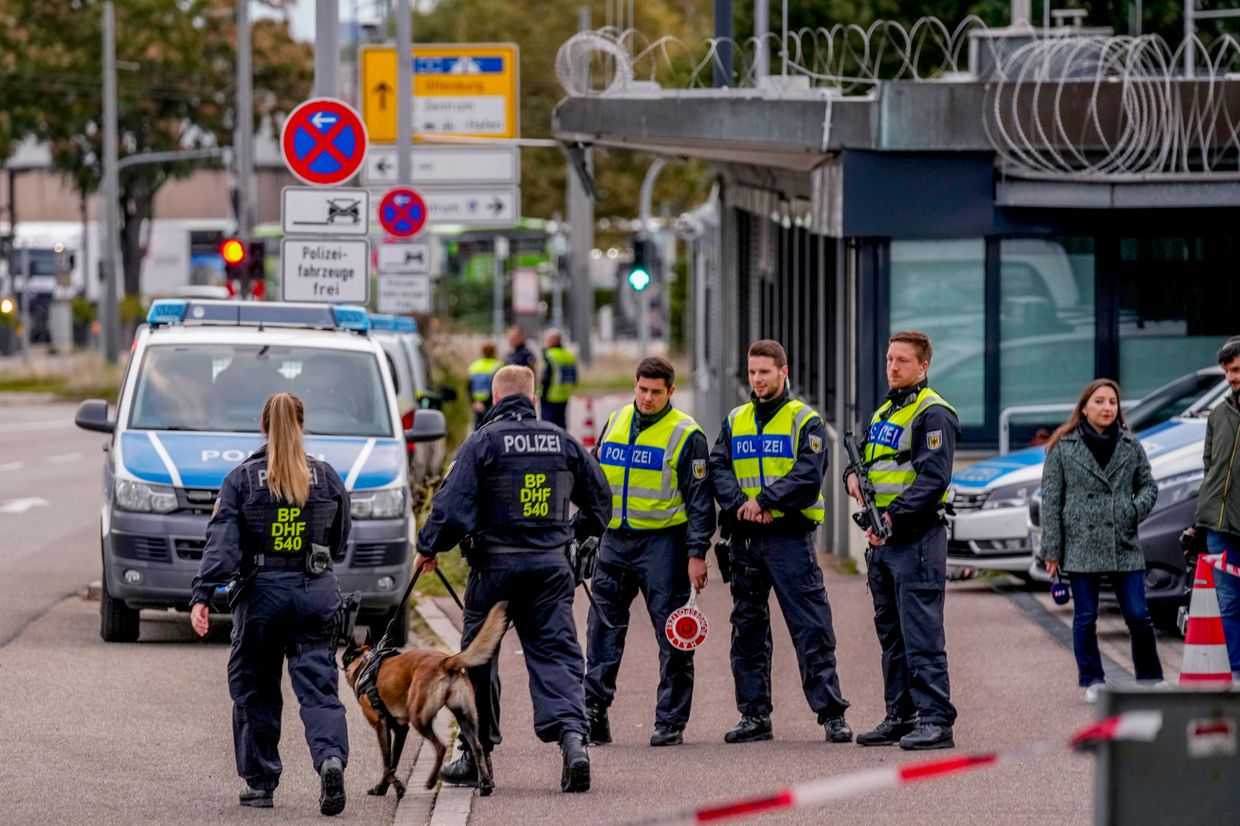
The events referenced in the letter took place in Copenhagen on 13 May, when a group of activists blocked the entrance to the headquarters of the Danish shipping and logistics company Maersk in a sit-in protest. According to the Danish Broadcasting Corporation (DR), the activists were protesting against Maersk’s reported involvement in the transport of weapons to Israel.
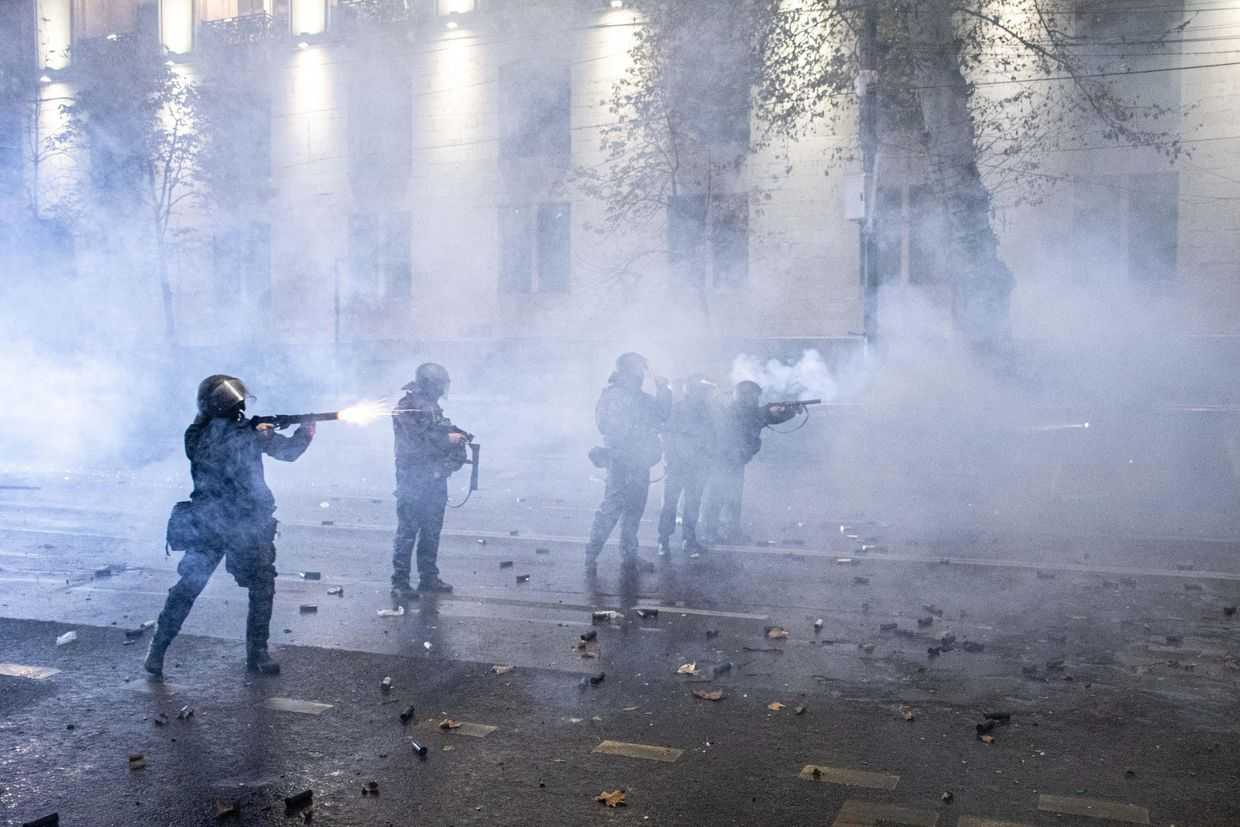
Footage showed police beating protesters with batons and using trained dogs while removing them from the entrance.
Georgian government-aligned circles placed significant emphasis on the incident. Pro-government TV Imedi sent inquiries to the Danish Foreign Ministry, while comments were made by members of the ruling Georgian Dream party and affiliated MPs, as well as Deputy Prime Minister Mamuka Mdinaradze.
‘European bureaucracy has sunk so deeply into double standards that they have completely forgotten the values on which Europe was originally built’, Georgian Dream MP Rati Ionatamishvili said.
The ruling party’s focus on the actions of Danish police comes amid widespread criticism it has received from the EU and other Western partners, including over its violent response to the anti-government protests in 2024.
Mikheil Gvadzabia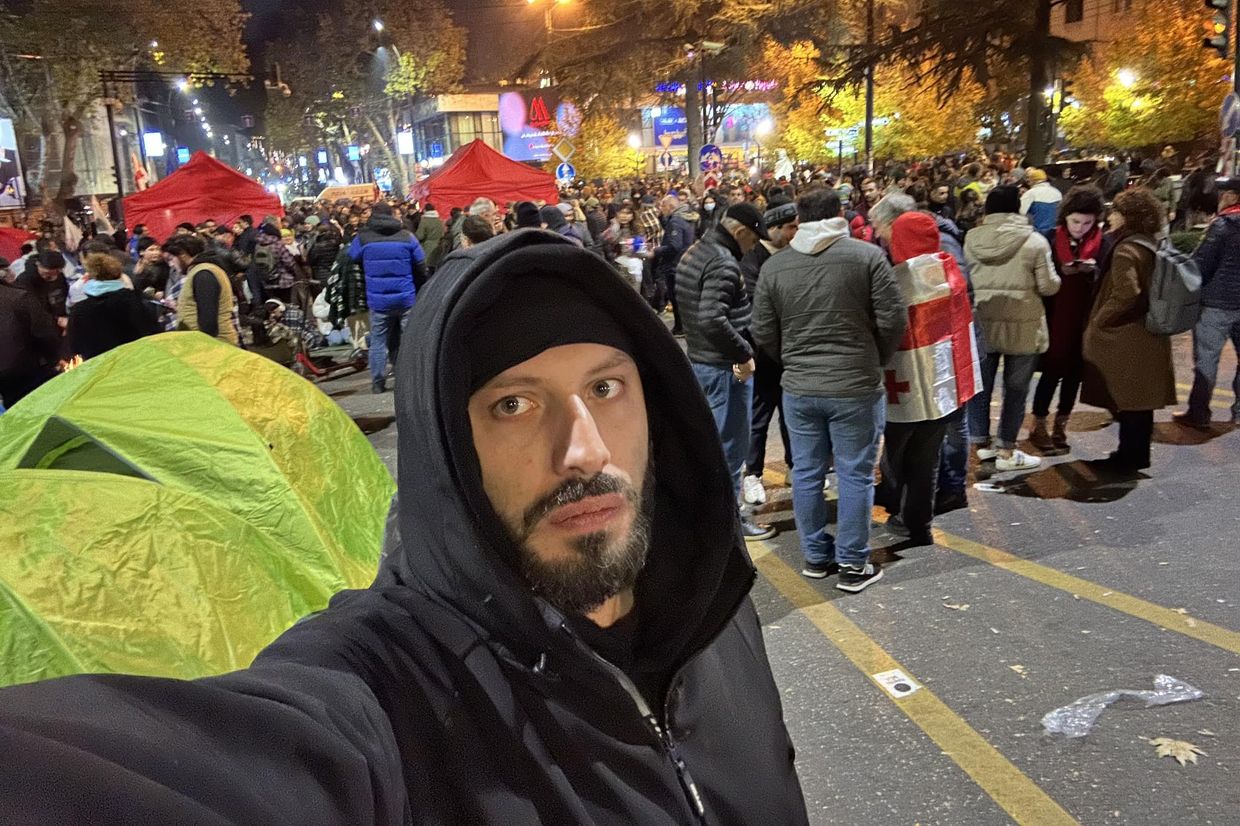
Despite numerous testimonies from victims describing cases of severe beatings and humiliation by police, there had been no publicly known instance, until recently, of any law enforcement officers being punished.
The Prosecutor General’s Office announced only on 7 May that five officers had been charged over violence against a protester, a politician, and a journalist. However, critics pointed out the scale of the police abuse, arguing that the detention of five individuals does not amount to effective accountability.
Deteriorating relations
Over the past few years, following the passage of a slew of restrictive laws by Georgian Dream, violence against anti-government protesters, and the disputed 2024 parliamentary elections, relations between Georgia and its traditional international partners — including the EU — have sharply deteriorated.
The process was accompanied by claims promoted by the ruling party and its associates that the ‘global war party’ or ‘deep state’ have taken control over the West, including Europe, and that it has been attempting to undermine Georgia’s sovereignty.
Against this backdrop, in November 2024, the Georgian Dream government announced the ‘postponement’ of negotiations on the country’s EU membership until 2028, which sparked large-scale protests in Tbilisi and other cities.
The authorities responded to the protests with both police violence and a new series of restrictive laws targeting street protests, the media, civil society, and the political opposition. At the same time, dozens of protesters, as well as opposition politicians and a media founder, were jailed on various charges.
These developments further strained relations with the EU, which, in its damning 2025 report, described Georgia as a ‘candidate country in name only’, highlighting the tarnishing of the candidate status it had been granted in 2023.
The events have also put Georgia’s visa-free travel with the EU, in effect since 2017, at risk, raising the prospect of its suspension.
In response to the EU’s criticism, the ruling party has repeatedly accused Brussels of blackmail, lying, funding ‘radicalism and disinformation’, and deviating from European values.
At the same time, Tbilisi denies that it has itself broken off relations with the EU, instead blaming the latter for ‘unilaterally’ suspending political dialogue.