★★★★☆
My Happy Family is a portrait of a middle-aged Georgian woman who dares to get a room — and a life — of her own.
Nana Ekvtimishvili and Simon Groß’s My Happy Family (2017) gives the viewer the opportunity to observe the everyday life of an ordinary woman living her ordinary life. There is no drama, plot twists, or big revelations — just a quiet exploration of self and family dynamics in a patriarchal society where womanhood comes with a lot of expectations and dispositions.
For the Western audience, some things can be quite alien, while for Georgians, every detail seems familiar. But at the end of the film, everyone will find something to relate to, reflect on, and think about.
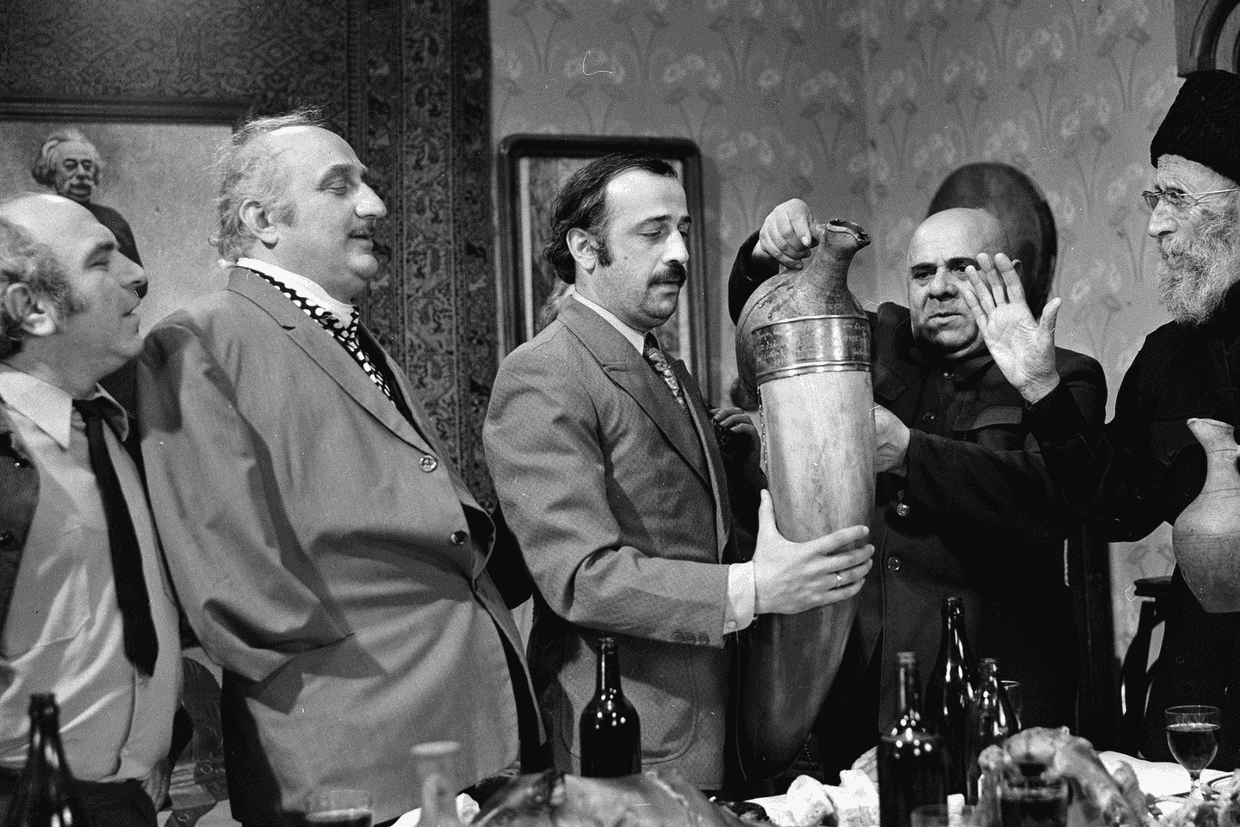
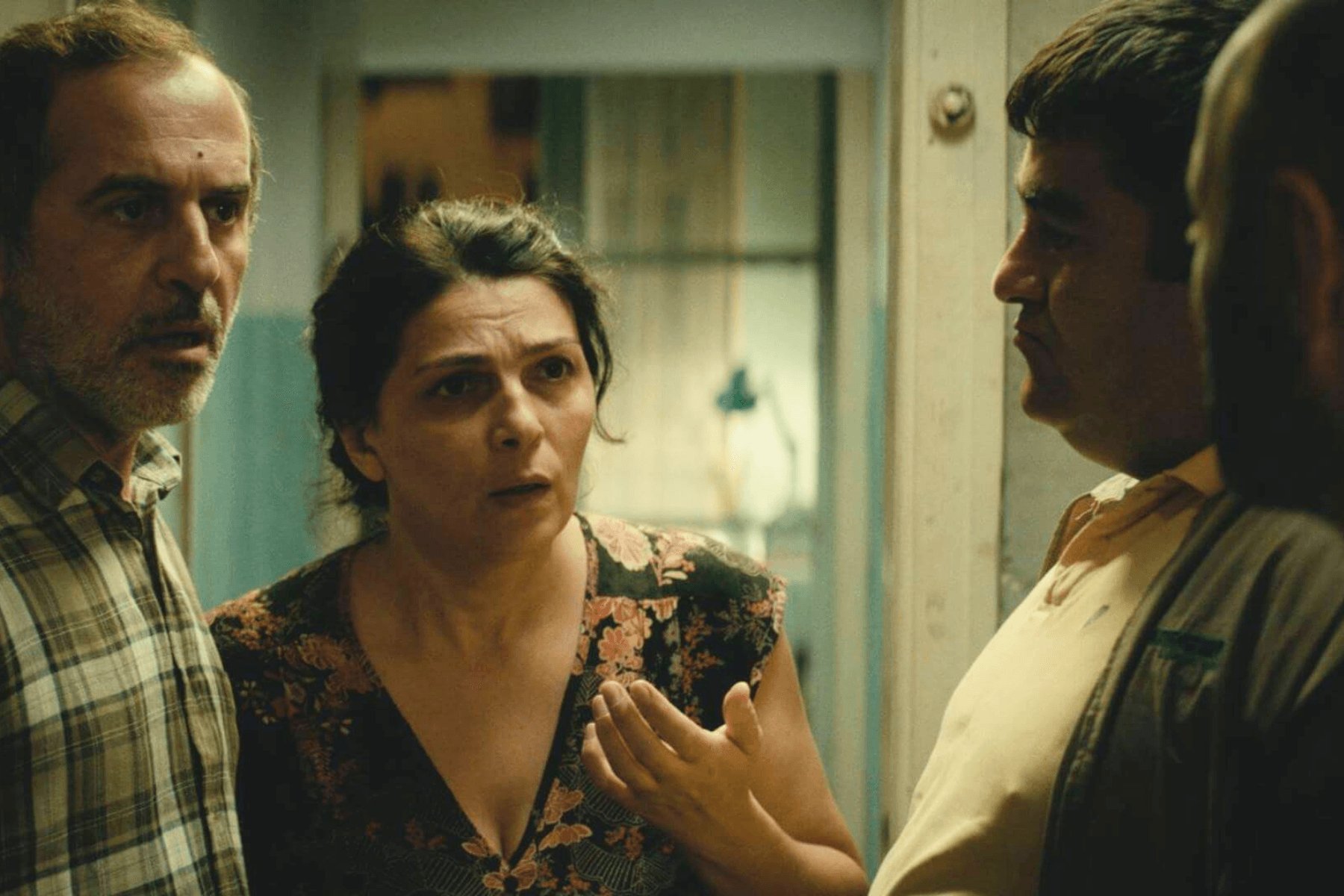
Manana (Ia Shugliashvili) is a 52-year-old literature teacher living with her husband, her adult children, her son-in-law, and her elderly parents in a Tbilisi apartment — crowded not only physically but atmospherically, dense with obligation and the low-grade friction of people who have long since exhausted their patience with one another. On the surface, nothing is catastrophically wrong. Her husband Soso (Merab Ninidze) is not violent, nor a drunk. As one elderly relative offers in what is genuinely intended as consolation: ‘He doesn’t beat you’. This is what passes for a happy family.
Early in the film, Manana comes home from work and cuts herself a slice of cake. Her mother immediately scolds her for eating before dinner. It is a tiny moment, but it is also the whole film.
One day, Manana announces she has found a small apartment in another district and will be moving out. The earthquake that follows this seemingly unprompted decision registers differently for everyone around her. To her mother, it is a disgrace. To her brother — called in for reinforcement — an insult to the family's reputation. To her husband, a wound he cannot locate or name. No one can find a reason sufficient enough to justify her decision, because Manana’s world has no concept of a person simply needing space to be herself.
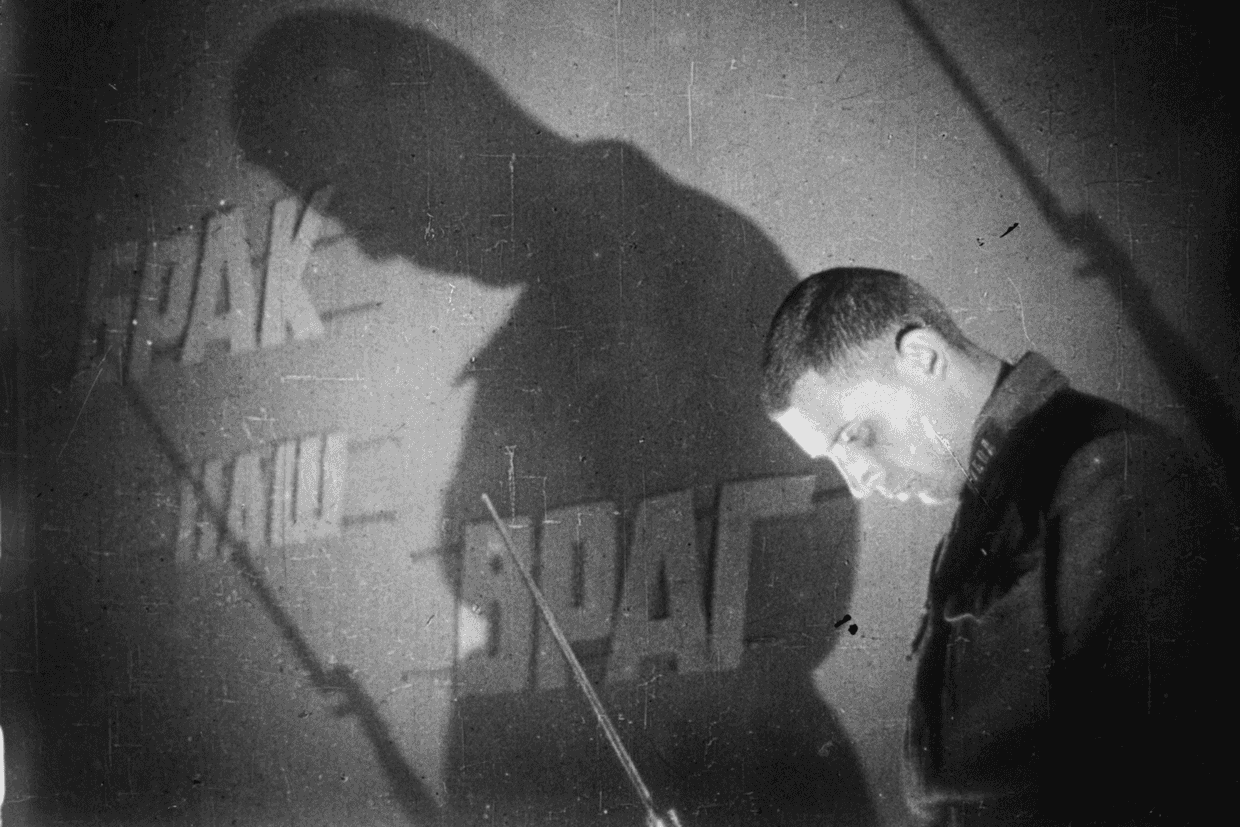
It is impossible to watch My Happy Family without thinking of Lana Ghoghoberidze’s 1978 film Some Interviews on Personal Matters. Nearly 40 years separate the two films — the Soviet Union has fallen, Georgia has gained independence, Tbilisi has changed beyond recognition. And yet, the architecture of expectation inside which both women live is remarkably, stubbornly intact.
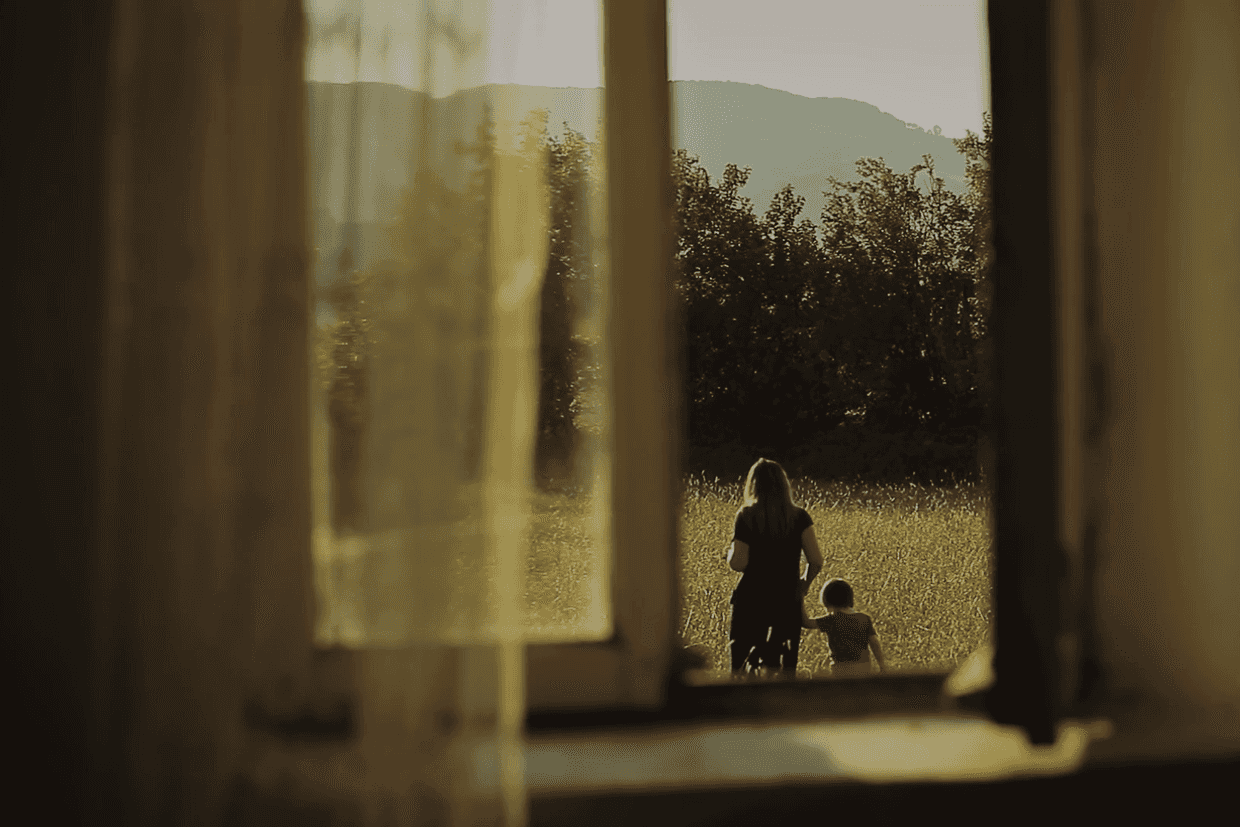
In Manana’s newly rented apartment, the camera lingers on space, light, and silence in something close to relief — the same way it lingers in the family home with something close to suffocation. Slowly, Manana begins reconnecting with herself and with her family, but on her own terms, and finds her voice again — literally.
She retrieves her guitar, which has been gathering dust for years, and begins to sing. These scenes are among the most tender in the film, made more so by the fact that Shugliashvili is performing songs by her real-life mother, the celebrated Georgian singer Inola Gurgulia, who died when Shugliashvili was only 10. It transforms what could have been a simple metaphor for reclaimed selfhood into something more personal.
There are other small moments that carry just as much weight. Manana's brother asks her new neighbours — people he knows somehow, because that is how Tbilisi operates — to keep an eye on her. The city’s social fabric, its intimacy and its surveillance, extends even into her escape. In another scene, she meets a former classmate who is now the sole earner for her entire family, like many Georgian women.
The film is not without weaknesses. Some family arguments repeat themselves without quite building to the pressure they intend, and certain storylines feel like detours rather than depths. But these are minor frustrations in an otherwise carefully observed film.
My Happy Family is a rare piece: one that treats a middle-aged Georgian woman’s interiority as the only subject worth its full attention. It does not ask us to find Manana sympathetic, it asks us to find her real. At the end of her Virginia Woolf-esque journey, Manana does not transform or triumph. She simply persists — in her small apartment, with her tomatoes, her music, and her cake.
Film details: My Happy Family (2017), directed by Nana Ekvtimishvili and Simon Groß, is available to watch on Netflix and Kanopy.