3.5/5★
Famed Soviet director Mikheil Kalatozov’s 1931 film was banned upon release, just like his better-known Georgian documentary, Salt for Svanetia.
By the time director Mikheil Kalatozishvili — better known by his Russified name, Mikheil Kalatozov — set about making his second feature film, he had already fallen out of favour with the Soviet authorities.
His debut documentary Salt for Svanetia — today often considered one of the best Georgian films ever made — was at the time considered to not sufficiently promote socialist modernisation. Kalatozov’s second film, released the following year in 1931, did not aid in restoring his reputation within the Soviet apparatus.
Nail in the Boot follows a young Red Army soldier who is tasked with dispatching a notice for aid after an armoured train carrying soldiers and decorated workers from a shoe factory is attacked. Not long into his journey, however, a nail in his boot causes him to falter in his mission. Stuck hobbling through the harsh terrain with only one boot, the final straw comes when he faces kilometres of barbed wire fence, impossible to climb over without solid leather protecting his skin. His attempts to push forward despite the obstacles are painful to watch, even in a modern era more used to bloodshed and gore on-screen.
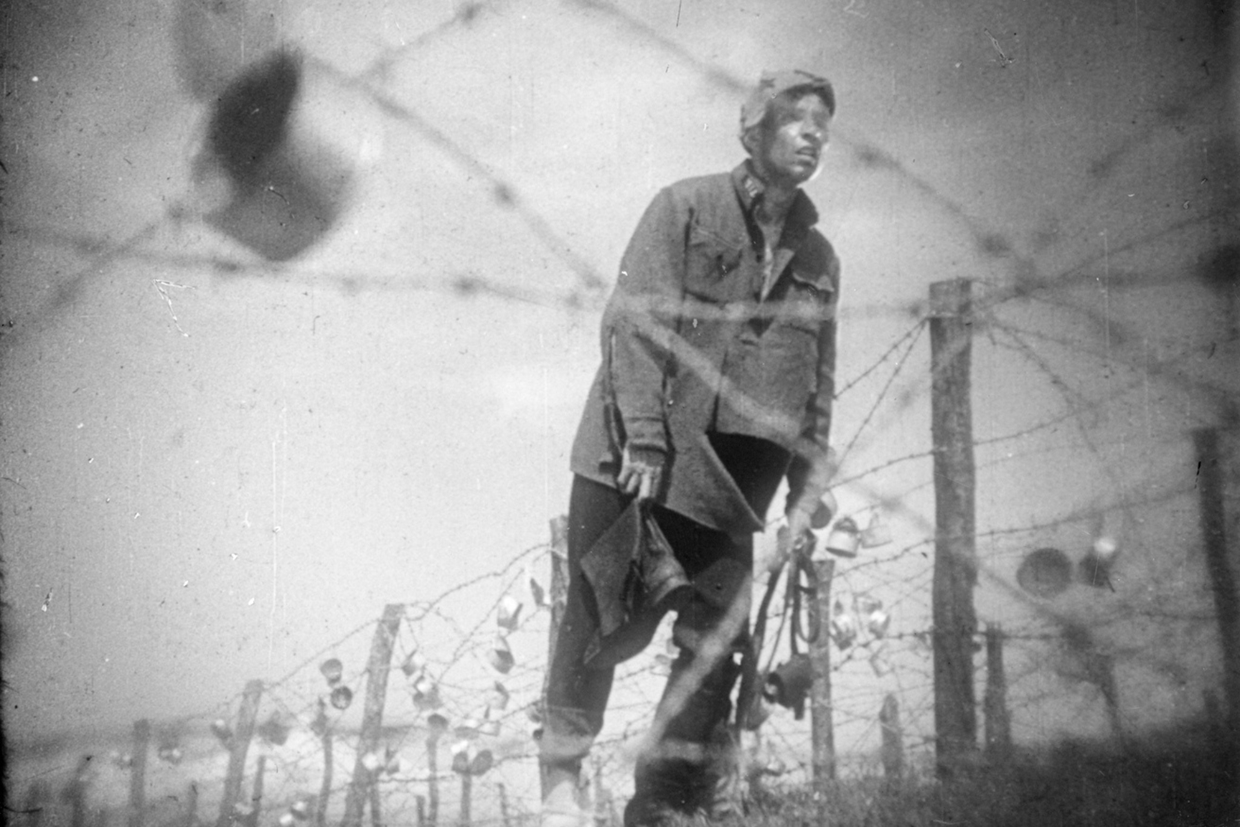
This first-half of the film, focusing on the enemy attack on the train and the soldier’s journey, is reminiscent of a classic war film. A large budget was clearly spent on firing ammunition and building explosions to showcase impressive plumes of smoke, as well as on hiring hundreds of people for wide-range shots of soldiers pouring over the hills.
Throughout, Kalatozov’s avant-garde style of filmmaking, the feature of the time, is highly evident. The cinematography is full of Dutch tilts, as metaphoric meanings are emphasised through extreme camera angles and other cinematic tricks. Accentuating the drama is the excellent piano score, which manages to perfectly convey what the viewer imagines through the shots on-screen, whether the loud booms of explosives or the trilling of a lark in a moment of peace.
In the end, despite the soldier’s attempts, the train is overrun by the enemy, all perishing. As a result, the soldier is court-martialled, accused of failing in his duty and thereby causing the military disaster.
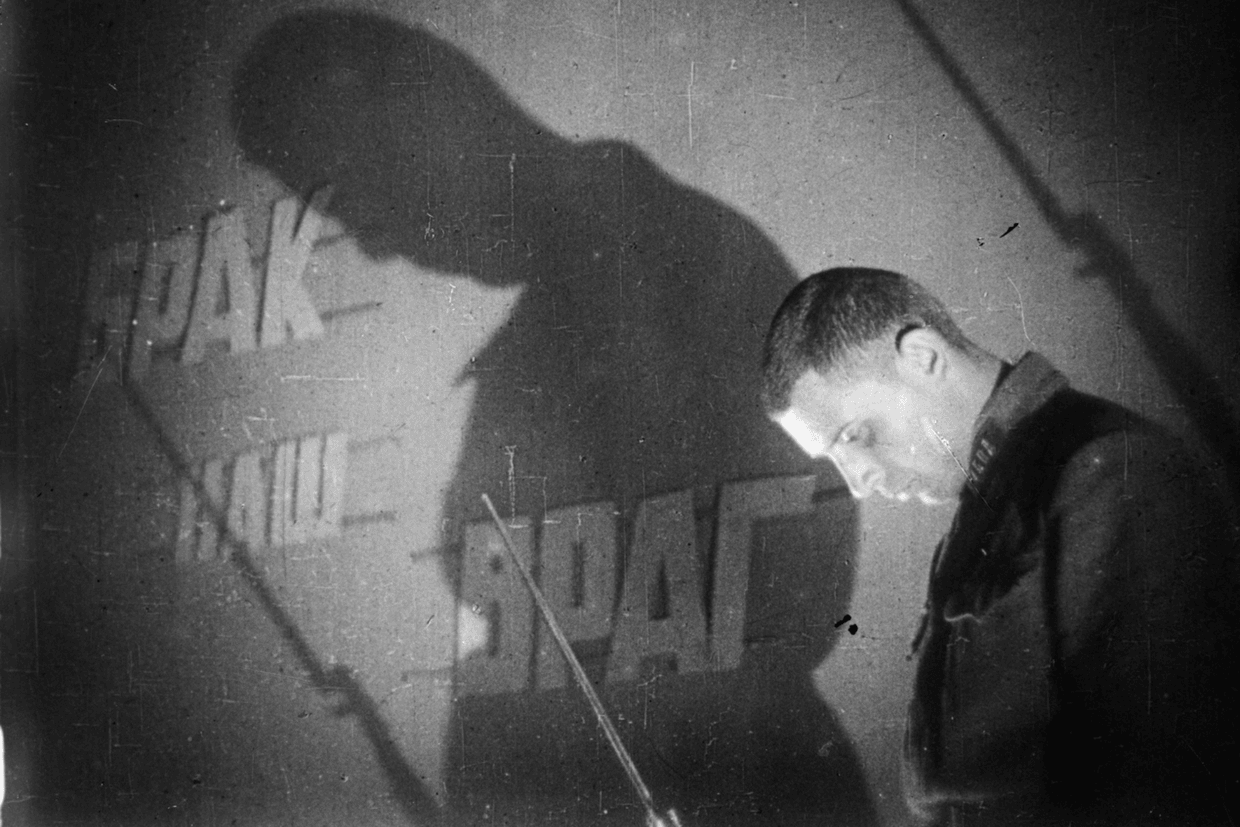
It is at this point, the drama turns to the court room, filled with a multitude of Soviet workers and soldiers. Led by the prosecutor — the brilliant Akaki Khorava, playing up his theatrical contortions — the soldier faces blame from all quarters: from his fellow soldiers, factory workers, and even the local children, who shout that they don’t want fathers like him.
When he finally takes the stand, however, the soldier defends himself, asking that the blame be shared by his faulty boot, and thereby, also with the shoemakers who created said flawed product. It is an unusual argument, one that, in the film’s final shots, turns into a plea to the audience of the time, the proletariat, to take care with what they create, and perhaps even to think more considerately of those accused of treason or sabotage based on extenuating circumstances.
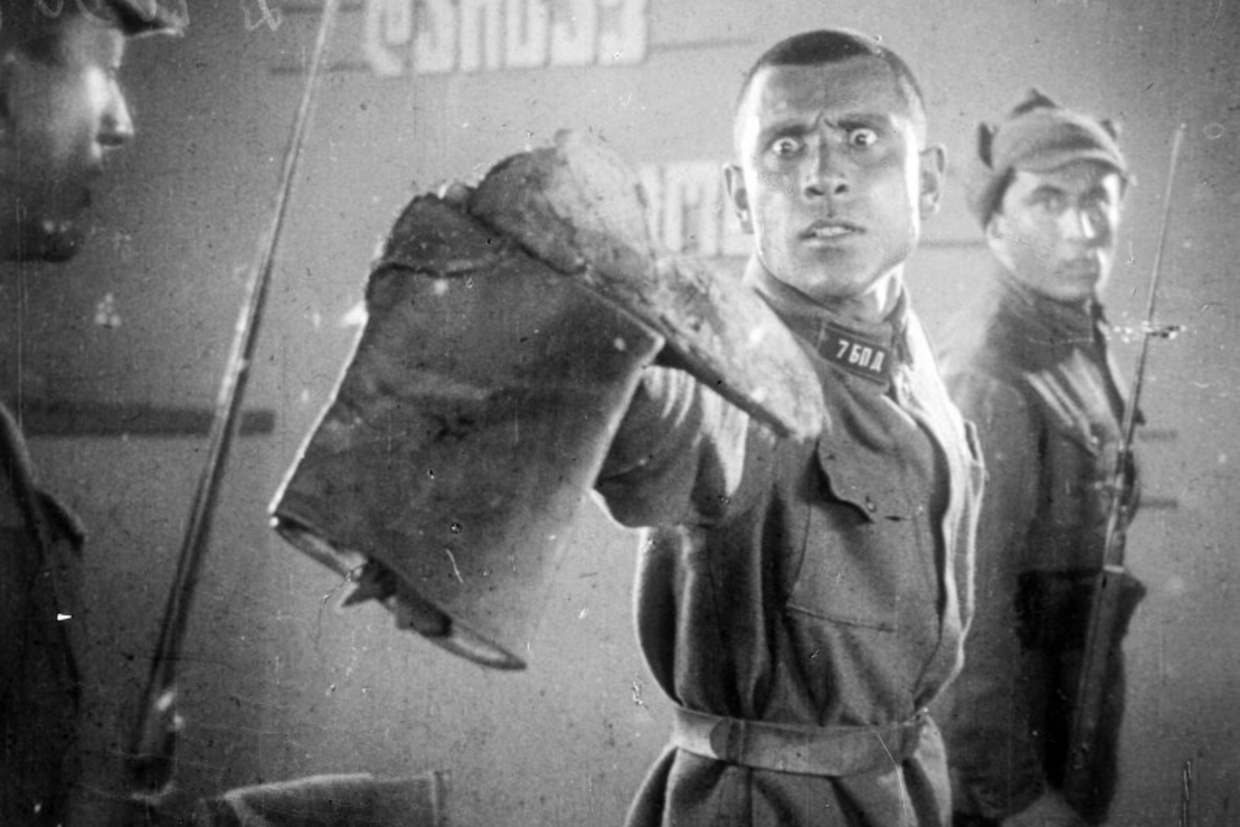
It was this end message that Soviet censors would take umbrage to, banning the film on the grounds that ‘Kalatozov did not apply the revolutionary method of dialectical materialism to his theme but proceeded from formalistic aestheticism’. Kalatozov was banned from directing his own films, instead accepting an administrative post at Georgia’s state cinematic production company (Goskinprom) in Tbilisi. The next seven films he would work on, as a producer, were never seen in the West, instead simply designed to rehabilitate Kalatozov and ‘correct his ideological errors’. It was only with the release of The Cranes Are Flying in 1957 that Kalatozov returned to the big screen, cementing himself within the Soviet film oeuvre when the film became the only Soviet production to win the Palme d’Or at Cannes.
Film details: Nail in the Boot (1931), directed by Mikheil (Kalatozishvili) Kalatozov, was screened on 31 May 2026 by Projection 24 as part of their retrospective of films by Mikhail Kalatozishvili. The film is available to view with English subtitles on YouTube.