Waiting for a free Iran: the exiles who found a home in Armenia
Armenia has become a place of refuge to over 2,000 fleeing repression, religious restrictions, and economic hardship in Iran.


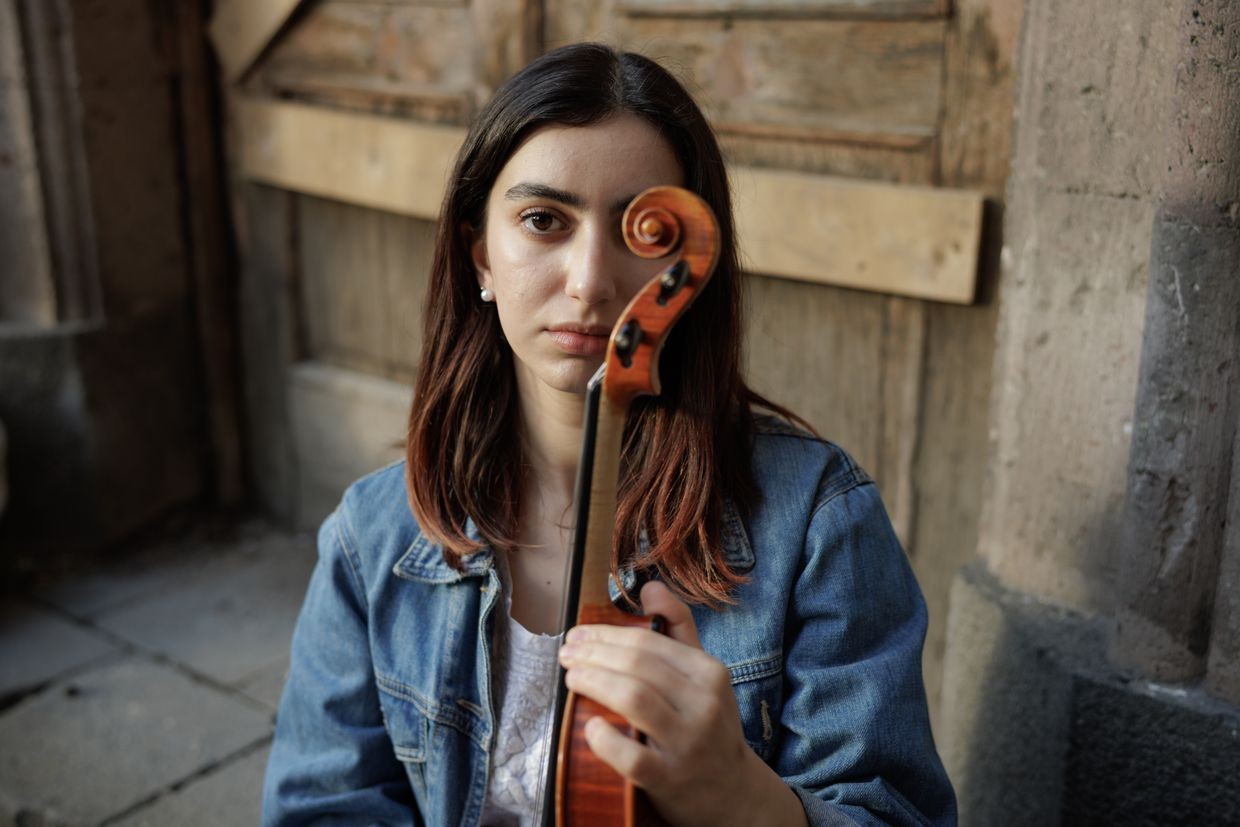
Reneta Dibaj, 20, moved to Armenia with her mother in 2018. Her parents wanted her to continue her path as a violinist outside Iran, where restrictions on female performers often disrupt artistic life.
‘Many times, concerts are being cancelled because a woman is performing’, Reneta explains.
In Armenia, she continued both her general schooling and her musical education, as a part of which she performed in ‘almost all the cities’ across the country, thereby exploring Armenia as well.
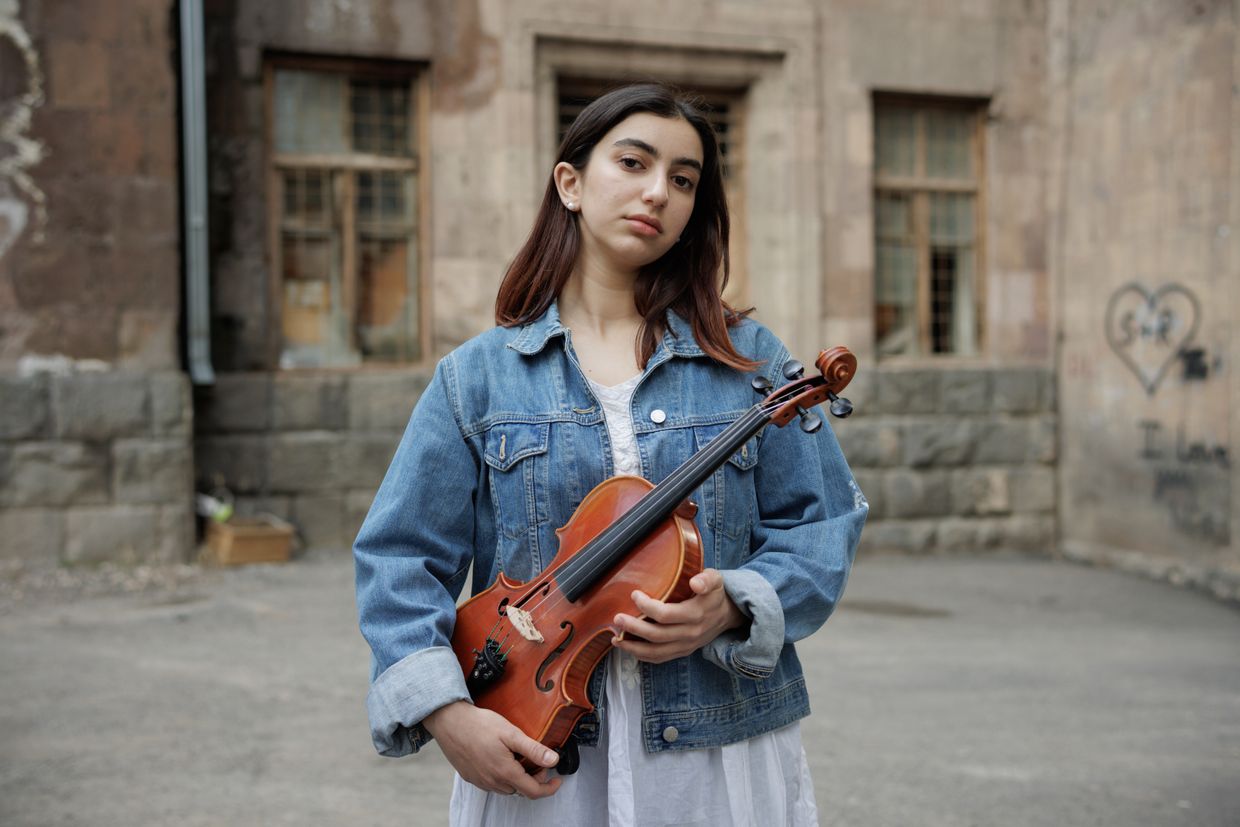
Reneta is one of over 2,000 Iranian nationals residing in Armenia, according to 2022 data. Some fled political oppression, others came for the freedom to practice a religion other than Islam, and still more to escape the sanctions restricting Iranians from working with foreign companies.
One of Armenia’s four neighbours, Iran maintains close ties with the country, seeking to deepen relations even as Yerevan builds closer links with the West.
Since the US-Israel war on Iran began on 28 February, however, Armenia has largely maintained a neutral stance, offering only humanitarian aid and calling for a diplomatic solution to the conflict, while avoiding a harsher stance. Some experts believe this is due to the US involvement in the conflict, given the country’s role in the Armenia–Azerbaijan peace process.
Adjusting to Armenia wasn’t immediate for Reneta. Although she felt welcomed when she first moved to Ashtarak, in western Armenia’s Kotayk Province, and encountered the local hospitality despite language barriers, things soon became more complicated. As the only non-Armenian student at her school, she struggled with the language and said she was bullied — an experience that pushed her to learn Armenian in just two months through intense day-and-night study.
‘It was a different system and I think it also comes back to the same communist system. Even in Babajanyan College, I experienced that, where it’s really harsh, the encouragement is not done with love. And I think foreigners like me who were not raised in that kind of style have a hard time studying in Armenia’, Reneta says.
Aside from the good music education, Armenia also provided an environment and space to practice Christianity.
‘When I was around the age of nine they closed all the churches […] and so many pastors were going to prison and so many Christians were being persecuted. So it would have just made sense for them to send me to Armenia’, Reneta says.
Reneta’s paternal grandfather, Mehdi Dibaj, was one of the early pastors who was ‘imprisoned and then murdered for his faith’ in 1994, Reneta says. This history left the family feeling constantly ‘under watch’.
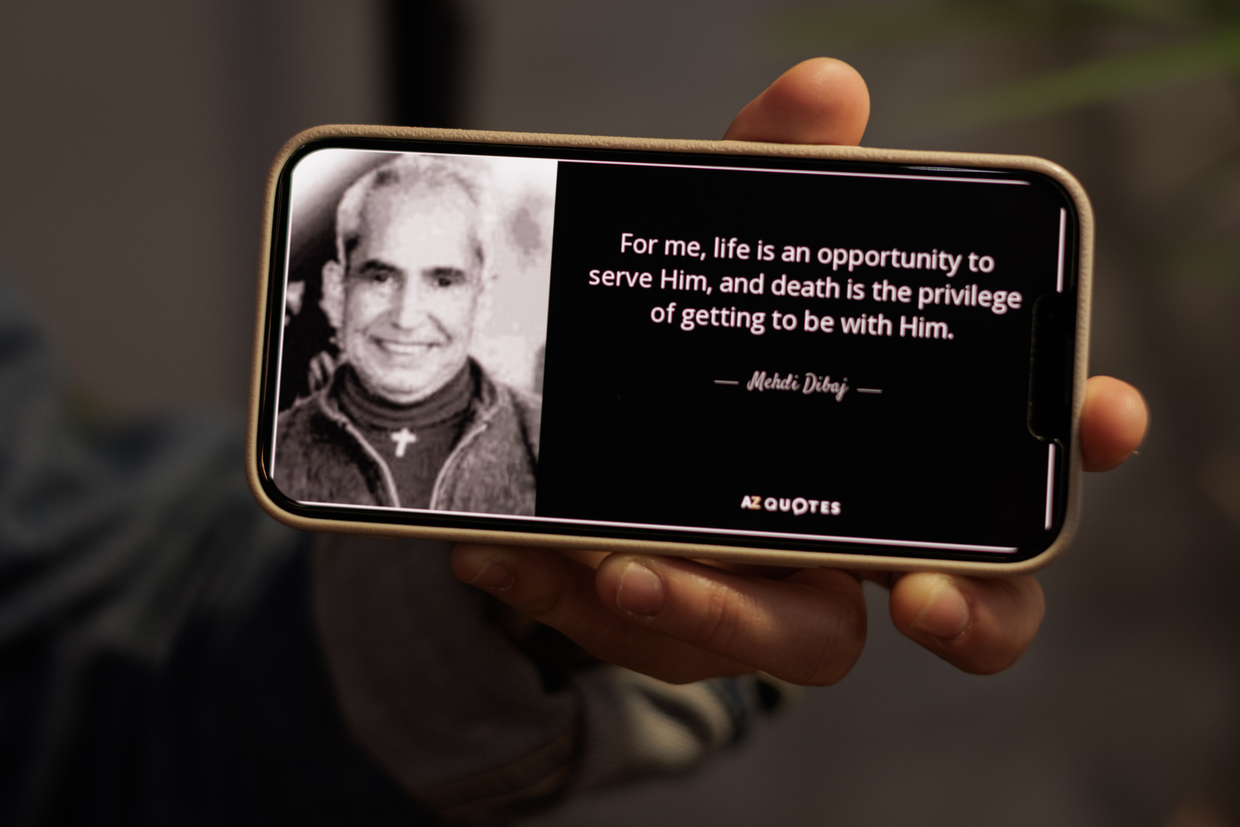
Since moving, Reneta has been involved with the Yerevan International Church, a Protestant evangelical community where she now serves as a worship leader, organising both online and outdoor services while also performing music. She describes the church as her community in Armenia and a meeting point for people of different nationalities, who have come to Armenia for study, work or for other reasons.
‘I think one thing that I experienced which was difficult for me to accept is that Armenians don’t understand that there are other nationalities that can be Christian’, Reneta says.
She notes that this has especially been the case when people speak to her, considering that she comes a Muslim country.
Reflecting on recent events in Iran, Reneta says that the emotional toll of witnessing such events from afar, including ‘massacres’ committed by the state against the people, is akin to ‘mental torture’ — knowing the terror that is unfolding but not being able to do anything about it.
‘I think it’s really important for people to open their eyes and see that there are so many people that are being executed’, she says. ‘All these people are talented people who are going to build Iran and make it a better place and these are the people that are being murdered’.
In the near future, at least, her return to Iran is not possible, as her public Christian activity would put her at risk of being ‘imprisoned and tortured’.
‘Do I feel home in Armenia? No, because I think, when you know where your home is, it’s hard to replace it. I think the taste of home is always somewhere outside of here’, Reneta says.
She concludes, however, that ‘Armenia has been a good shelter’.
Waiting for a ‘free’ Iran
Noori, whose name has been changed for security reasons, first arrived in Armenia with her family in 2021, a move that came about as a result of economic strain and political fear. The COVID-19 pandemic had cost her her job in Iran, while the family’s social media activity and views, she says, began attracting increasing pressure from authorities.
Armenia was never meant to be the final stop. The plan was to move on to a third country, but accessing embassies from Iran was nearly impossible amidst strained diplomatic relations and limited consular access to many destinations.
‘Between Turkey and Armenia, I preferred to come to Armenia because I felt it’s a safe country, it’s calm, small, with lovely people. I traveled here back then too, so I knew how it is’, she says.
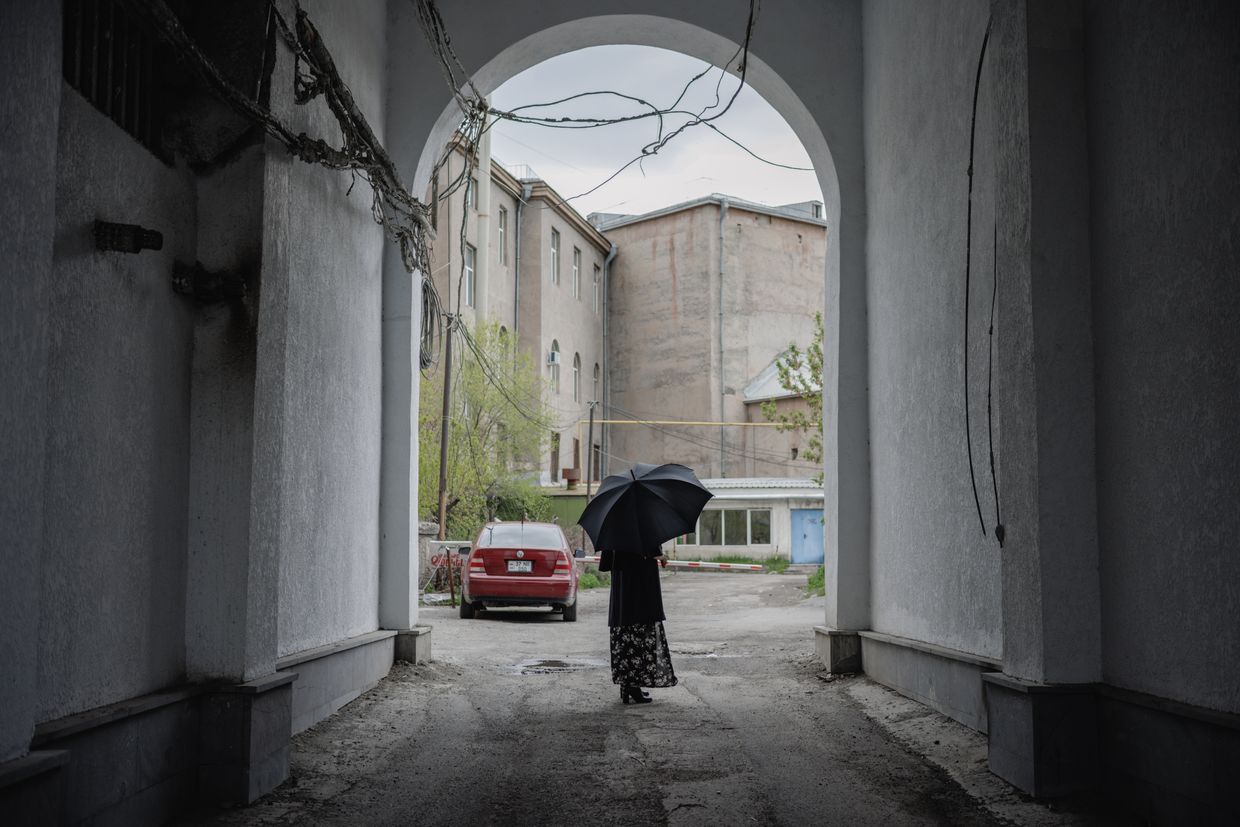
Years later, Armenia remains a place of relative stability, but not permanence. Noori still hopes to return to Iran once it becomes ‘free’. What she misses most is not only the place, but the people — the energy she associates with life back home.
‘People are happier in Iran, they enjoy whatever they have, even if the regime tries to silence them’, she says. In comparison, ‘Armenians are more calm, a bit sad, and a little bit angry’.
Adjusting has not been seamless. She speaks some Armenian, but still has a hard time understanding the tone of conversation — often what she expects to end up in a punch eventually ends up in a hug.
Though deprived of their home in Iran, the country’s traditions still persist inside their Armenian apartment. Persian carpets, familiar objects, and traditional meals create a sense of continuity.
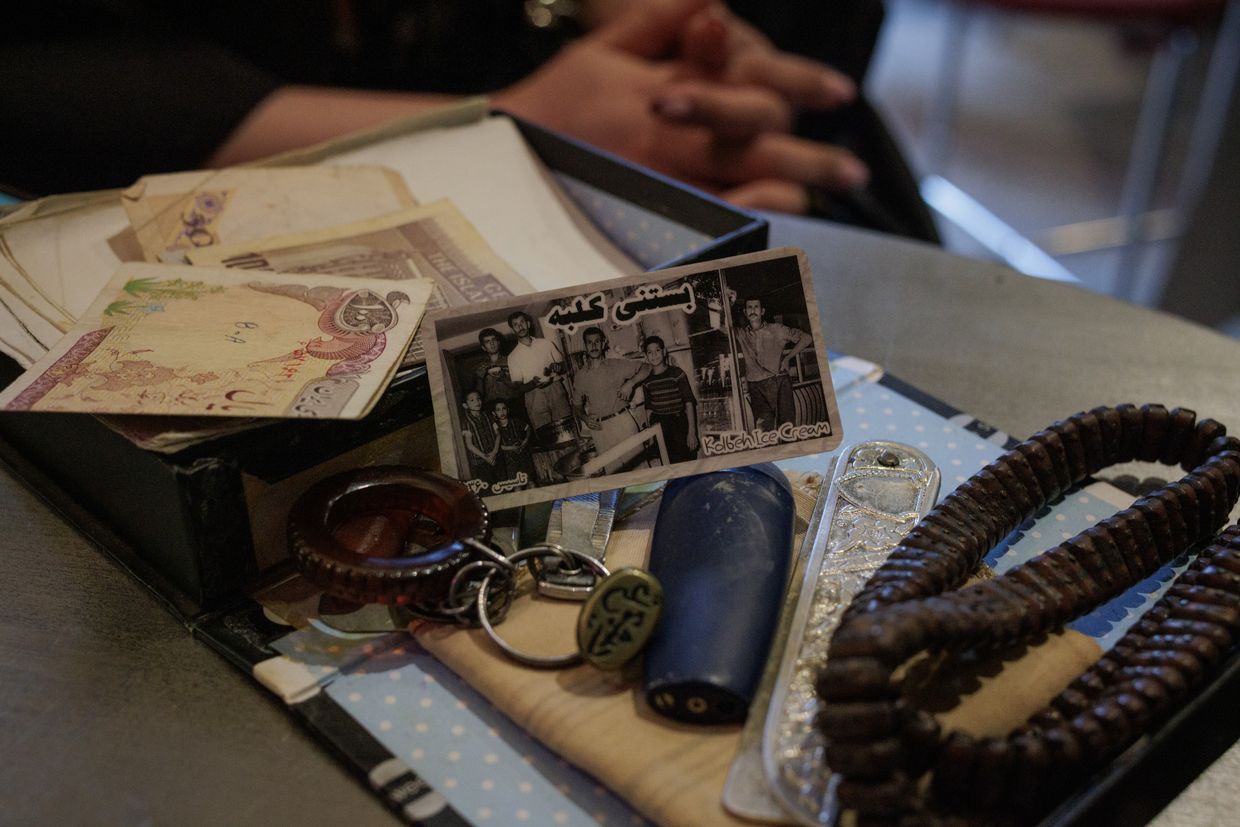
Cooking, Noori says, becomes especially important when homesickness intensifies, even if some ingredients must be sourced through informal networks and brought in by Iranian lorry drivers.
Since leaving, Noori has only returned to Iran once. Now, she says, going back is no longer possible due to the risk of arrest and execution tied to her anti-government stance.
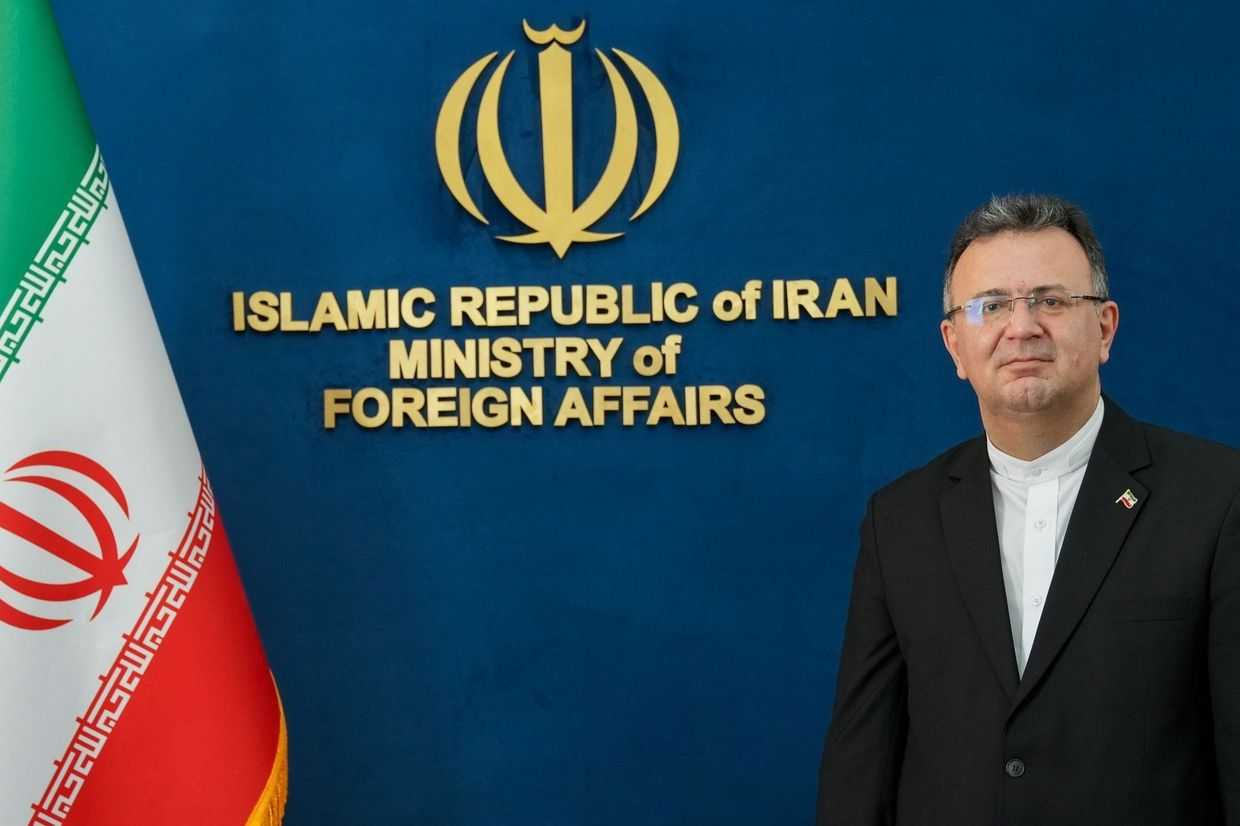
Noori was among the protesters in Yerevan who gathered daily outside the Iranian embassy during a cold, snowy January, as demonstrations spread across Iran. In Armenia, demonstrations were initially permitted, drawing crowds of up to 200 people, but gradually, restrictions tightened after Iranian Ambassador Khalil Shirgholami’s harsh public criticism. Attendance dwindled — sometimes to just a handful — as fear and harsh weather set in.
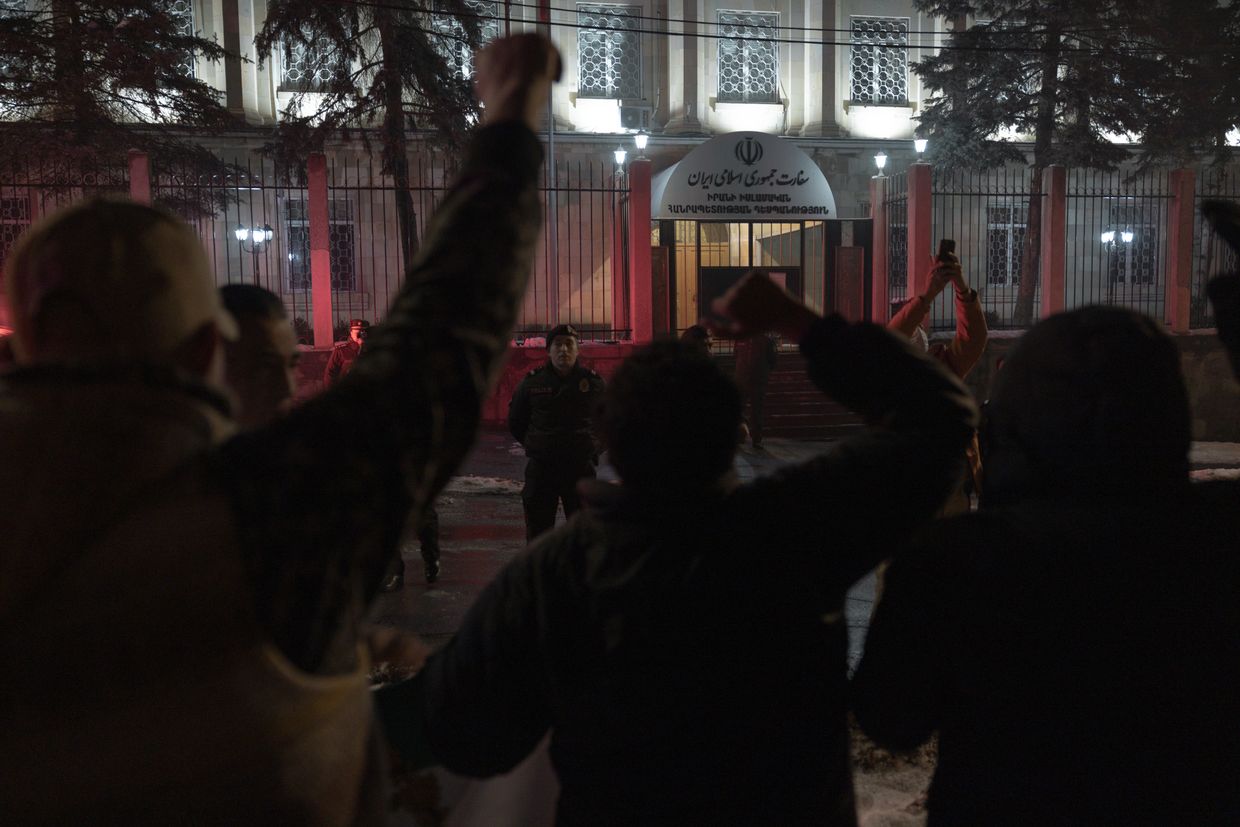
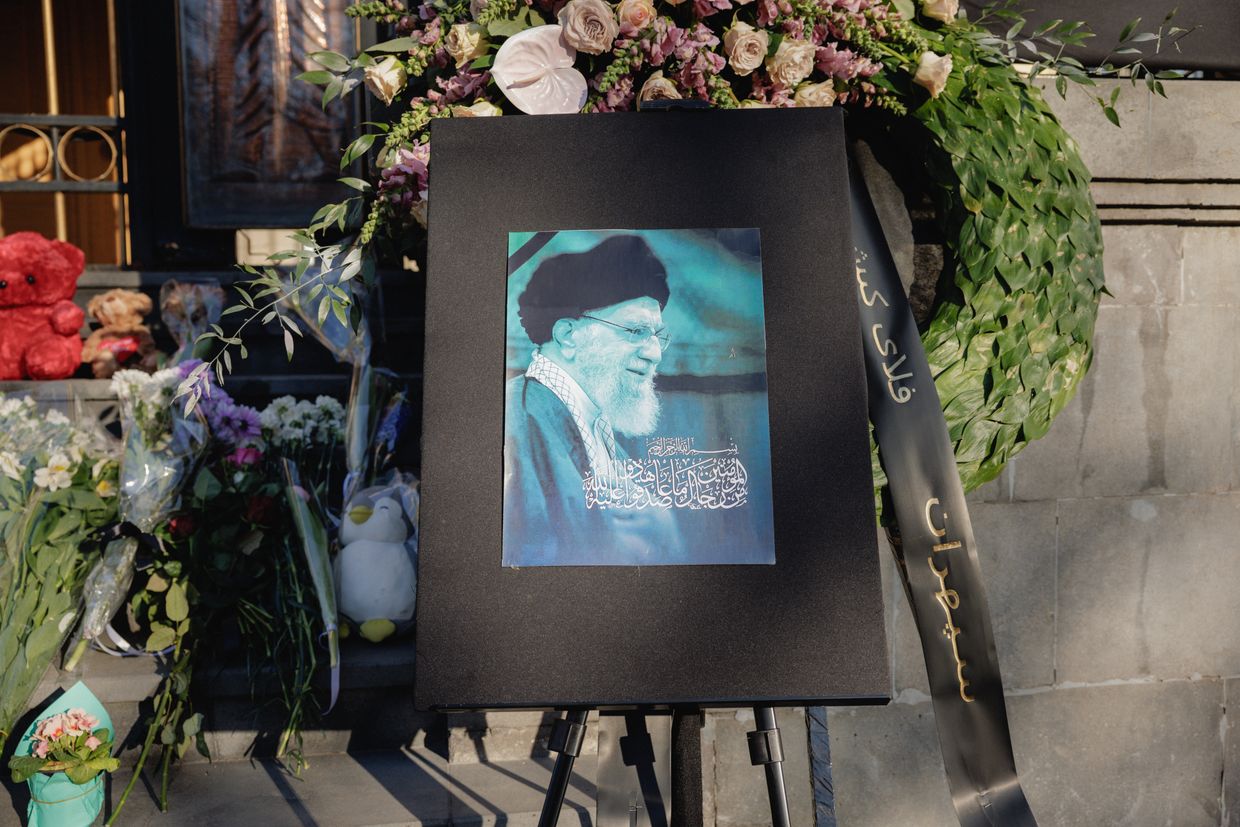
Following Iran’s Supreme Leader Ayatollah Ali Khamenei’s assasination in February 2026 — which Noori describes as ‘the greatest night of my life’, and one she celebrated with champagne, dancing, and singing — the protests became impossible. Even so, Noori says they still have messages to share.
‘They’re executing the people, even the youth, the teenagers, whoever that was arrested. People received their kids’ bodies as a Nowruz gift. We want to demonstrate for this reason, also for political prisoners who face harsh conditions since being detained, with no water, no medicine, and not enough food’, Noori says.
Watching events unfold from afar has taken a toll, including insomnia. And while she recalls some mistreatment — from those unhappy with the protests or who considered Iranians as taking up Armenian resources ‘for free’ — overall, she feels gladdened by the instances of support she has received that have helped her cope during hard times.
‘I will never forget that my boss never told me that you have to do your job, you cannot be sad. My coworkers as well, they even started helping me to do my job’.
These moments sit alongside friendships she has built with both Armenians and fellow Iranians in Armenia. Together, they celebrate Nowruz and other holidays, recreating fragments of home.
For Noori, though, home is ultimately defined by family.
‘If my family wasn’t here, I wouldn’t have survived. I know I have good friends, but it’s not the same’, she says.
Her focus, however, remains on what comes next — and what it will take for change to happen.
‘I hope Iran gets free, that we get a chance to have a fair election to choose what we want’, she says.
Noori says she is ‘not a war strategist’, but believes who she sees as the ‘leader of this protest, our revolution’ — Reza Pahlavi, the eldest son of Mohammad Reza Pahlavi, the last Shah of Iran, who is living in exile in the US — should be able to return to Iran, with his safety guaranteed.
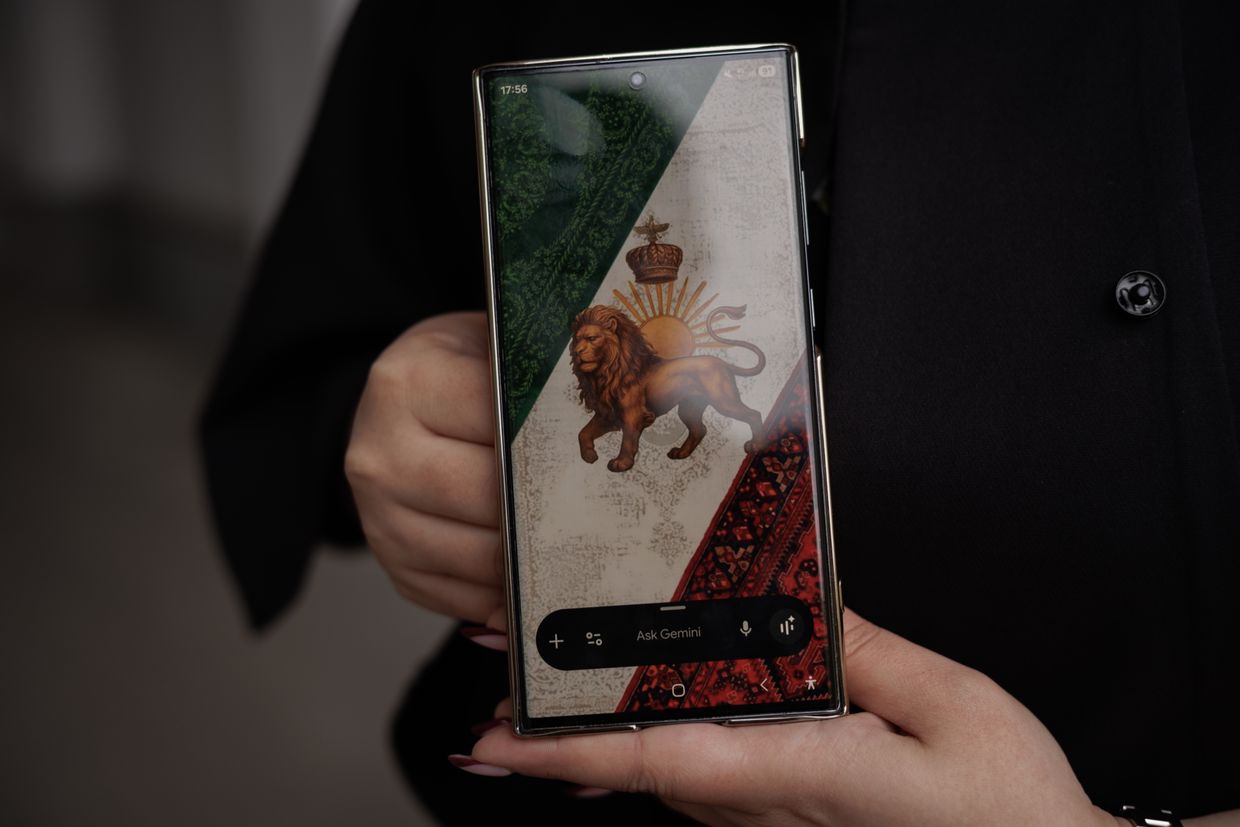
‘It’s very important for everyone because without him, it will be very difficult again to gather all those people that are supporting our revolution’, Noori says, claiming that in response to Pahlavi’s call for demonstrations, Iran’s major cities were flooded with ‘a river of humans’.
‘The safest city that I’ve ever been to’
Mohammad Rahchamani, 33, left Iran five years ago as conditions deteriorated, citing economic decline, restrictions on civil rights, pressure from the morality police, and the violent suppression of protests.
‘There was divergence between people and the government. We knew that we’re kind of like enemies, but everywhere we went, there were [pictures of the Iranian authorities] pictures and they’re praising these generals and stuff. So there was this huge mental pressure to stay there’.
As a software engineer, Mohammad also faced professional limits due to sanctions, which restricted his ability to take international job offers while based in Iran.
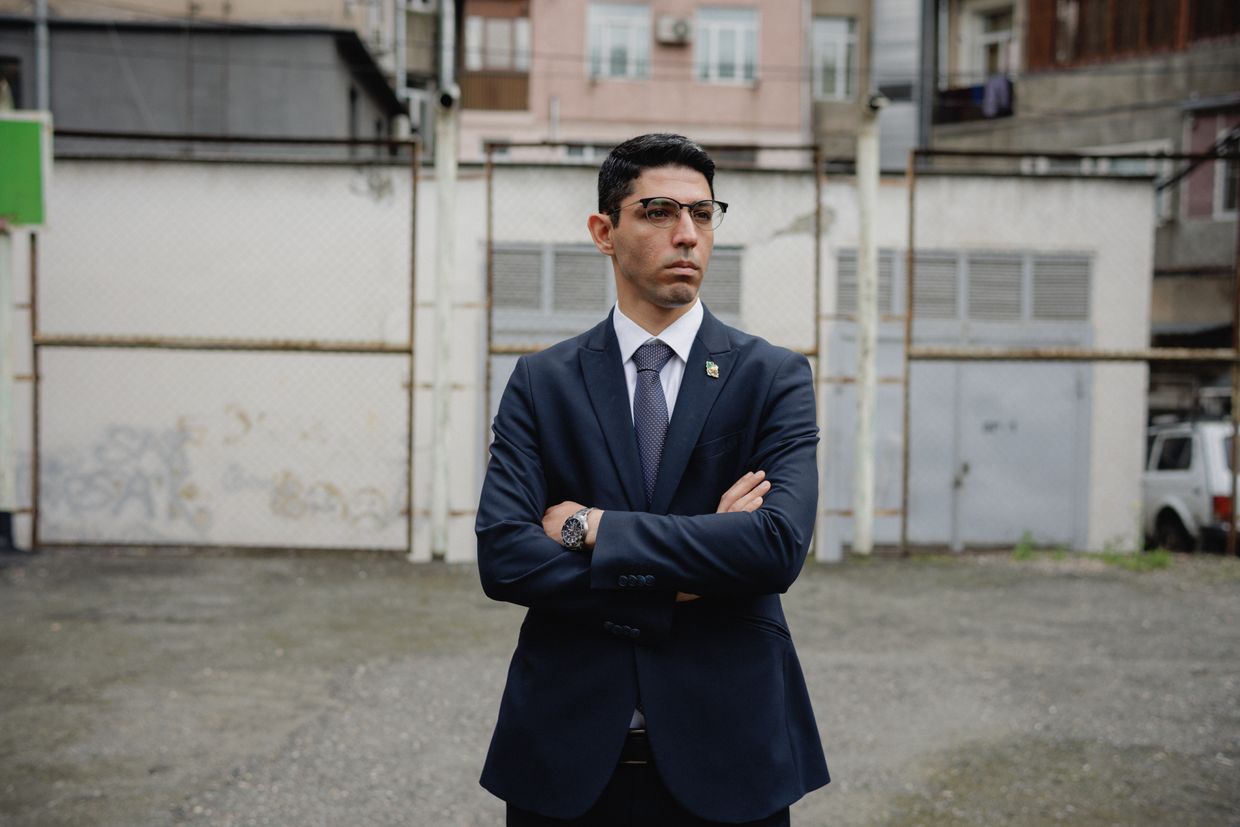
Turkey was his first destination, which he describes as ‘the easiest and the safest solution’ due to visa-free entry and straightforward residency procedures. But after two years, changes in regulations prevented him and his wife from renewing their permit.
They then moved to Georgia, where again they struggled to secure long-term residency. Armenia was the next option, which was initially avoided due to the tensions and escalations in the aftermath of the Second Nagorno-Karabakh War.
Still, after arriving in 2024, life began to stabilise. He obtained a residence permit and opened a bank account, though some difficulties remain tied to his Iranian passport. Receiving salary payments often requires workarounds, including through cryptocurrency.
Despite the initial hesitation regarding their move, Mohammad now feels safe, and his fears of renewed war with Azerbaijan have faded amidst the peace talks between the two countries. Furthermore, he describes Yerevan as ‘the safest city that I’ve ever been to’, and Armenians as generally welcoming towards Iranians, with fewer stereotypes and greater cultural familiarity compared to his previous experiences.
It is now a place where he has been able to build something resembling stability after years of displacement, with better success in their integration process and building a network with like-minded people. He attributes part of this to language. In Turkey, limited Turkish skills created barriers, while English was often insufficient. In Armenia, he says people make more effort to help.
He points to a leadership school he currently attends, where classes are held in both Armenian and English. Organisers translate the Armenian sections for him, an effort he says he appreciates and makes his attendance possible. His wife has also begun painting lessons, and her work has been well received in Armenia, which he describes as ‘a huge step for her’ and something that makes the couple happy.
Even so, he avoids visiting the Blue Mosque, one of the city’s best-known landmarks, which was built in 1765–1766 during Persian rule. The complex was restored in the 1990s with Iranian support and today also serves as a cultural centre linked to the Iranian Embassy.
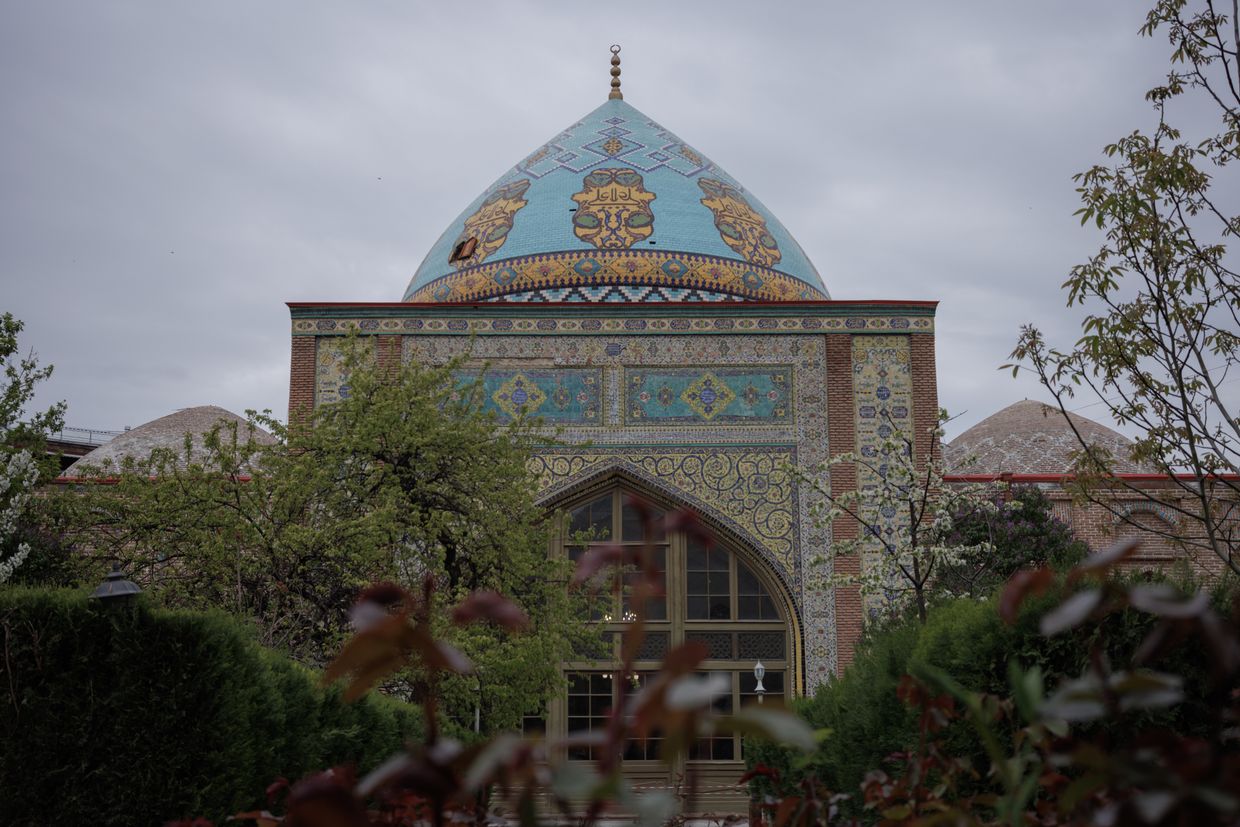
Many Iranians who left the country, he says, associate mosques with the authorities. For Mohammad, the refusal is also shaped by how religious spaces in Iran were often tied to state power and, during unrest, became part of the security infrastructure — snipers were stationed on the tops of the mosques while security forces were stationed inside religious buildings or used them as temporary holding sites for detainees.
Mohammad says that their long-term future remains uncertain and depends on developments in Iran.
‘If there’s a regime change, and if the situation changes in the way that we want, there’s a high chance that we go back to Iran because we think that we can contribute to rebuilding our own country. But if that doesn’t happen, I think Armenia at this point is a very good choice for us, because now we are building this network, we’re learning the language. It’s also a small country, it’s not that difficult to start something from zero’.
Since leaving, contact with his family has become increasingly difficult because of internet restrictions and blackouts. Communication is now irregular, with no stable video or audio calls, demanding tech-savvy to bypass the restrictions.
He describes modern Iran as shaped by repeated cycles of protest and repression. Over decades, he says, people have tried ‘absolutely everything’, from voting and boycotts to silent marches and street demonstrations. In response they often saw bloody crackdowns from the government.
Iranians ‘want to have a normal life’, Mohammad says, adding that the most recent crackdown, which resulted in 7,000 to 20,000 deaths, was ‘the last straw for us’.
Mohammad believes political change in Iran is inevitable, but uncertain in timing. He points to economic collapse, with businesses ‘closed for months’, inflation ‘through the roof’, and internet restrictions making daily life increasingly difficult.
‘We hope that the current war will continue to the point that it will dismantle the regime’s forces that oppress people, so the next time that people march in the streets, they can’t do the same thing and the regime will fall. That’s the best case scenario for us’.