Russian court sentences Abkhazian opposition MP Kvarchiya to 10.5 years in prison in absentia

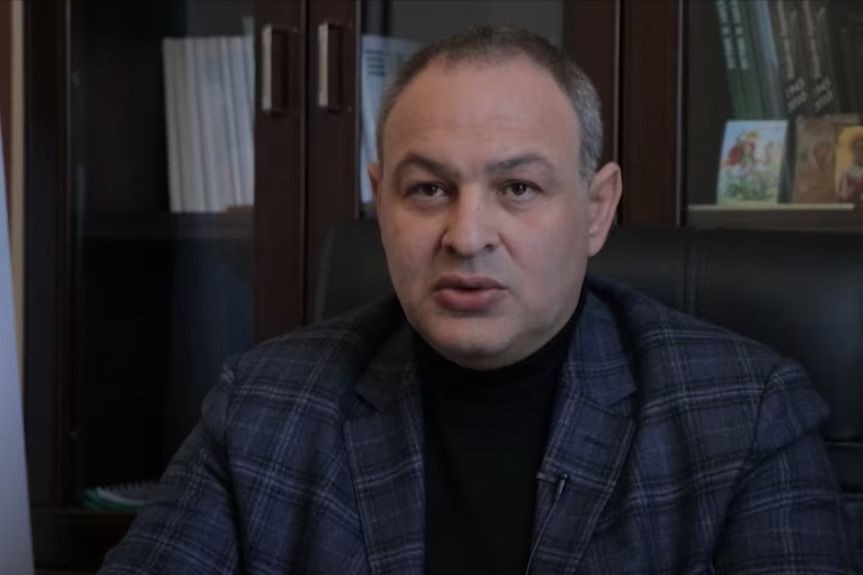
A Russian court has sentenced Abkhazian MP Kan Kvarchiya in absentia to 10 years and six months in a maximum security prison on charges of robbery. The charges concern Kvarchiya’s confrontation with Russian political consultants during Abkhazia’s 2025 local elections.
The Central District Court of Sochi sentenced Kvarchiya, one of the leaders of the opposition movement Aidgylara, on Thursday. The trial was held in his absence, as he remains outside Russian jurisdiction; he remains on a wanted list.
Kvarchiya’s confrontation with three Russian political consultants took place in Sukhumi (Sukhum) during the November 2025 local elections. Investigators allege that Kvarchiya and a group of associates attacked three consultants — Ivan Reva, Pavel Timofeev, and Dmitriy Budykin — at the office of the newspaper Abkhazsky Vestnik. According to the court’s version of events, Kvarchiya and his associates believed that the Russians were secretly administering online resources that published criticism of the Abkhazian opposition.
 OC Media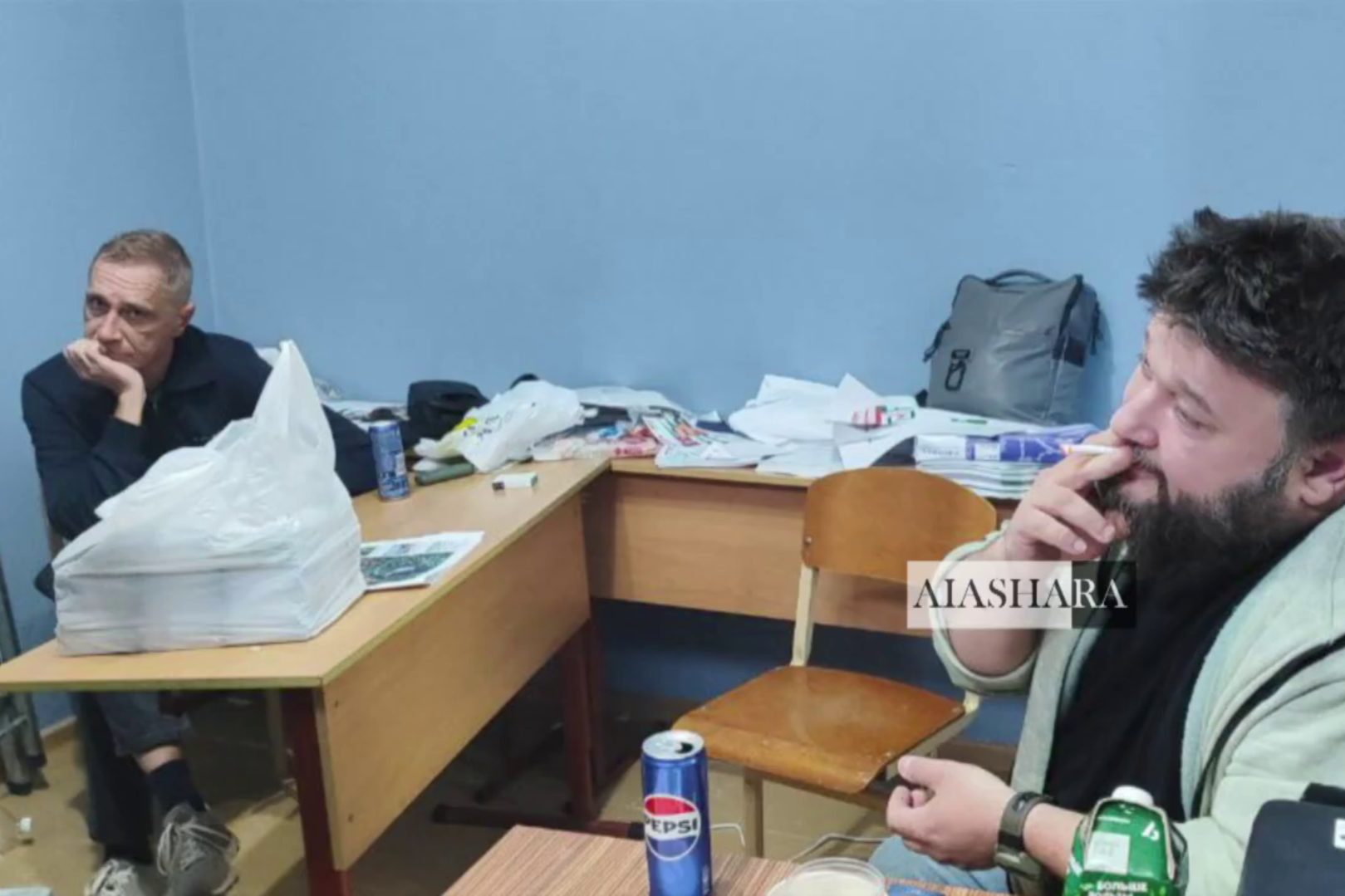
Using physical force and weapons, the attackers allegedly robbed the Russians. According to investigators, they took cash and valuable personal belongings worth more than ₽2 million ($27,000) in total.
Following the incident, the Russians were deported from Abkhazia.
In November 2025, Russia’s Interior Ministry placed Kvarchiya and his associates Eshsou Kakaliya and Khyna Dumava on the federal wanted list. Russian investigators stated that they had evidence linking them to the attack on the political consultants. The Sochi Prosecutor’s Office later referred the case to court.
A parallel investigation was conducted in Abkhazia. In March, a panel of the Supreme Court of Abkhazia concluded that Kvarchia’s actions contained elements of the offence of making death threats in connection with the events at the Abkhazsky Vestnik office. Following this, the Prosecutor General of Abkhazia asked parliament to strip Kvarchiys of his parliamentary immunity. However, lawmakers refused to authorise criminal proceedings against Kvarchiya.
It was after that decision that criminal prosecution continued in Russia. Russian authorities argued that they had the right to investigate a crime committed against Russian citizens regardless of where it took place. Moscow stressed that the case was not an attempt to interfere in Abkhazia’s internal affairs but rather an effort to protect Russian citizens.
Elina Sidorenko, a member of the Russian Presidential Human Rights Council, as well as lawyers Dmitriy Agranovskiy, Vadim Koblev, and Aleksandr Glushenkov, have stated that the proceedings against Kvarchiya in Russia fully comply with the principle of extraterritorial criminal jurisdiction and are aimed solely at protecting Russian citizens.
Kvarchiya and his supporters have repeatedly rejected the allegations. In Abkhazia, the case has attracted significant political attention, as Kvarchiya is one of its most prominent opposition figures.
Following the verdict, former Abkhazian Interior Minister Aslan Kobakhiya said he regarded the Russian court’s decision as politically motivated and connected to the ongoing investigation in Abkhazia.
‘I have no doubt that such a hasty verdict is a direct attempt to pressure the Abkhazian justice system. Unfortunately, these are the rules of the game today’, Kobakhiya said.
According to court documents, in addition to the prison sentence, Kvarchiya must compensate the victims for material damages. The court upheld civil claims amounting to approximately ₽1.78 million ($24,000). The verdict has not yet entered into legal force and may be appealed.
For ease of reading, we choose not to use qualifiers such as ‘de facto’, ‘unrecognised’, or ‘partially recognised’ when discussing institutions or political positions within Abkhazia, Nagorno-Karabakh, and South Ossetia. This does not imply a position on their status.